Europe
Liechtenstein
"Smallest country I've ever crossed on foot — twice, just to be sure."
I walked into Liechtenstein from Austria somewhere around eleven in the morning, and the border was a concrete post with a faded crest. No one checked anything. A man walked past with a dog. I kept waiting for something to happen, for some formal acknowledgment that I’d entered a sovereign principality, but the Rhine kept moving and the mountains kept standing there and that was it. I was inside.
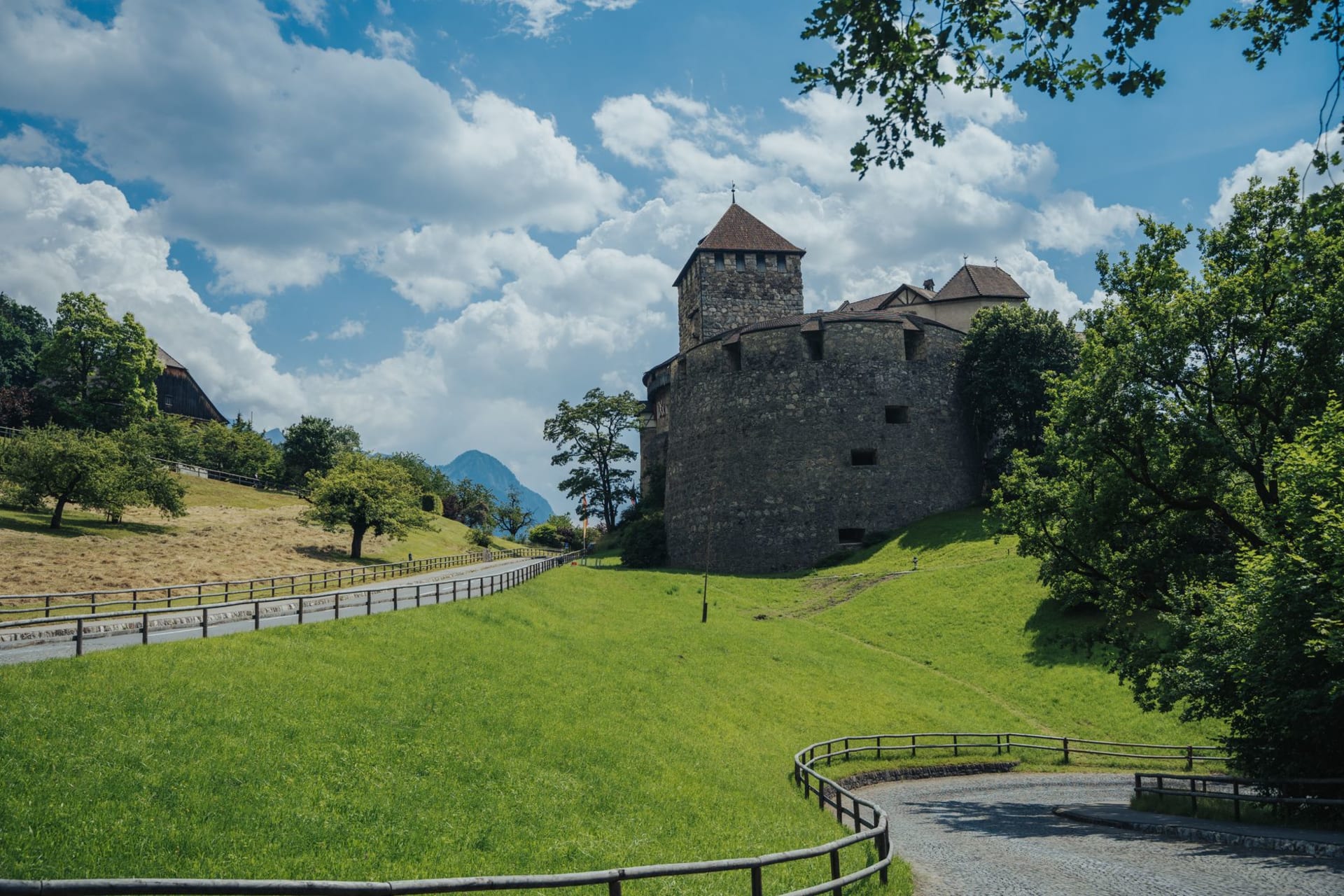
What no one tells you is that Liechtenstein is genuinely beautiful in a way that has nothing to do with its novelty. Yes, it’s the world’s sixth-smallest country. Yes, you can cross it on foot in under three hours. But the Rhine valley here is lush in a specific, concentrated way — the kind of green that happens when soil is rich and summer is short and people have been farming the same slopes for centuries. Above Vaduz, the castle is real and occupied and not open to the public, which I respected. The Prince lives there. You see the lights on at night. It gives the whole place a slightly medieval logic that I found more charming than the gift shops below.
I spent an afternoon walking up from Vaduz toward Triesenberg, a village that sits on a terrace above the valley with views that stretch into Switzerland and Austria. The light in the late afternoon was thick and golden. I ate a Käsknöpfle — egg noodles with cheese and fried onions, the local answer to comfort food — at a small restaurant where the owner seemed genuinely puzzled that I’d walked up. Most people drive. I stopped at a vineyard stand on the way back down and bought a small bottle of Pinot Noir. Liechtenstein wine. I didn’t know it existed before that day.
When to go: May through September for walking and cycling along the Rhine. Late September and October for harvest season and the vineyards turning. Avoid August weekends if you want the valley to yourself — the Swiss day-trippers arrive in force. Winter is quiet and cold; the skiing is nearby in Austria but not in Liechtenstein itself.
What most guides get wrong: They treat Liechtenstein as a checkbox — a country to add to a list, a passport stamp to collect (you can pay for one at the tourist office). But the place rewards slowing down. The villages are not identical; Triesenberg has a different feel from Vaduz, which has a different feel from Balzers in the south. The national museum in Vaduz is genuinely good on the history of how this tiny territory ended up as an independent state while everything around it was absorbed into larger nations. That story is strange and interesting and worth an hour of your time. Also: the stamp-collecting culture here is real and the post office museum is oddly engrossing, even if you arrive as a skeptic.