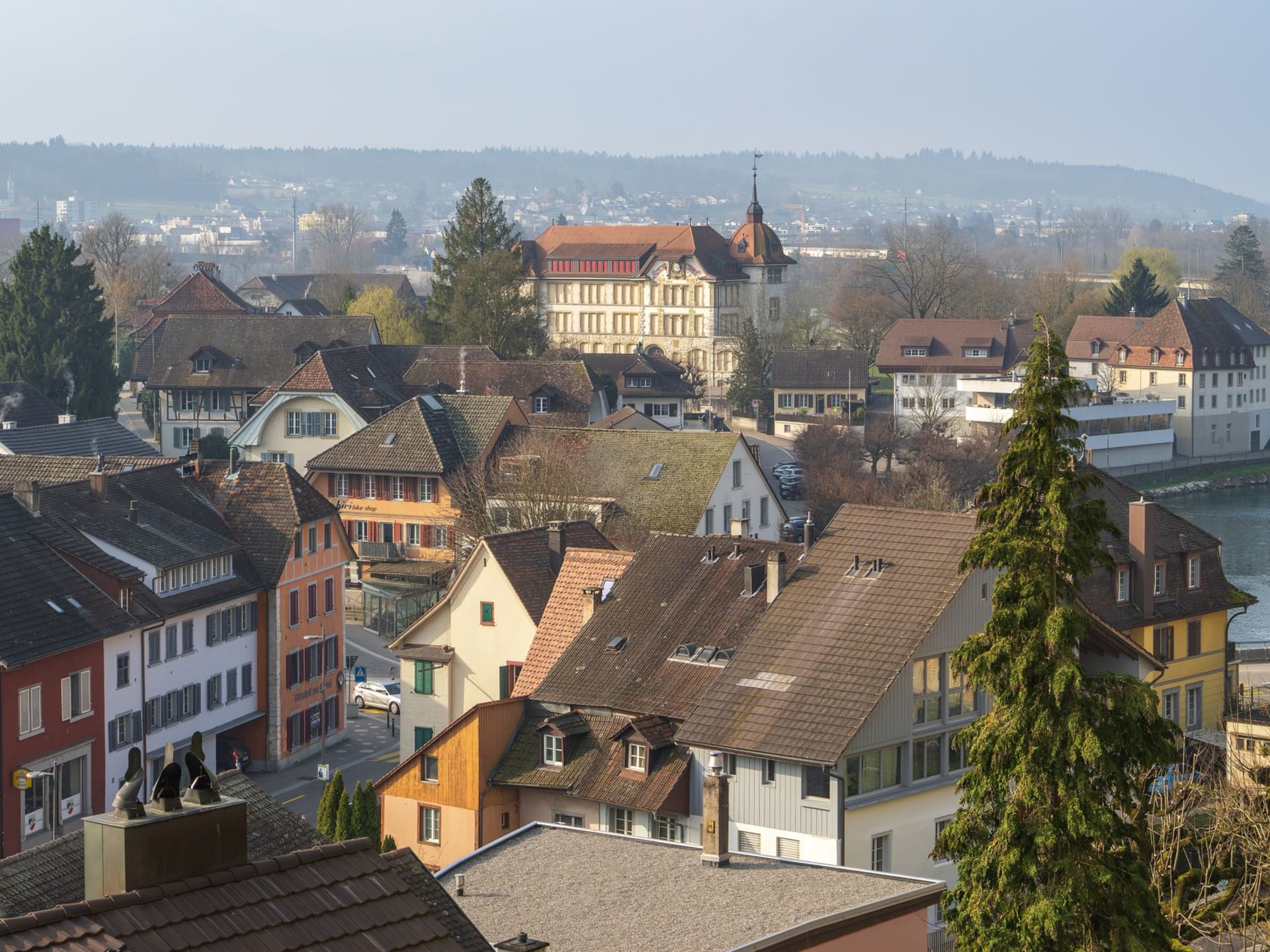
Schaan
"The most populated place in the country has 6,000 people and a Roman fort. I could live with those proportions."
Everyone goes to Vaduz, which means almost no one goes to Schaan — even though Schaan is technically larger, even though it sits directly adjacent, and even though it holds more of what I’d call actual Liechtenstein life than its more famous neighbor. I stumbled into Schaan looking for a supermarket on a Monday morning and ended up spending four hours there, which is roughly how most of my better travel days begin.
The town sits on a slight rise above the Rhine plain, just north of Vaduz, and it has the feeling of a place that has been quietly getting on with things for a very long time. There is a Roman fort here — Schaan was a significant military and civilian settlement in the Roman period, and excavations in the 20th century turned up the foundations of a castellum that controlled this stretch of the Alpine passage. The finds are in Vaduz now but the site itself, marked with modest signs near the parish church of St. Laurentius, gives Schaan a depth that its tidy modern exterior doesn’t immediately advertise.

The church itself is worth entering. Baroque interior, white and pale gold, with a ceiling that catches the morning light in a way that makes it feel larger than it is. On the morning I walked in, two older women were arranging flowers at the side altar, speaking to each other in that rapid Alemannic dialect that sounds, to my French-trained ear, like German being played at the wrong speed.
What Schaan does particularly well is the kind of small commercial life that makes a place feel inhabited rather than performed. There is a butcher that has been on the same street since before I was born. A hardware store with a window display that hasn’t changed aesthetics in decades. A coffee shop where the tables were full at eight-thirty and the pastries came from somewhere local. I drank a Milchkaffee at the counter and listened to four conversations I couldn’t follow and felt entirely at ease.

Schaan is also where much of Liechtenstein’s industrial life happens — the country is surprisingly wealthy through precision manufacturing and financial services, and some of that manufacturing occurs in unremarkable factory buildings on the edge of town. It’s an interesting contrast, the medieval Roman site and the modern dental technology plant, both within walking distance. Liechtenstein has managed to be simultaneously ancient and very contemporary in its economics, and Schaan is where that tension is most legible.
When to go: Schaan works at any time of year as it’s a working town rather than a seasonal resort. Market days (usually Saturday mornings) are particularly lively. If you’re combining it with Vaduz, allow a morning for Schaan separately — the two towns are adjacent but have genuinely different atmospheres, and Schaan deserves more than a drive-through.