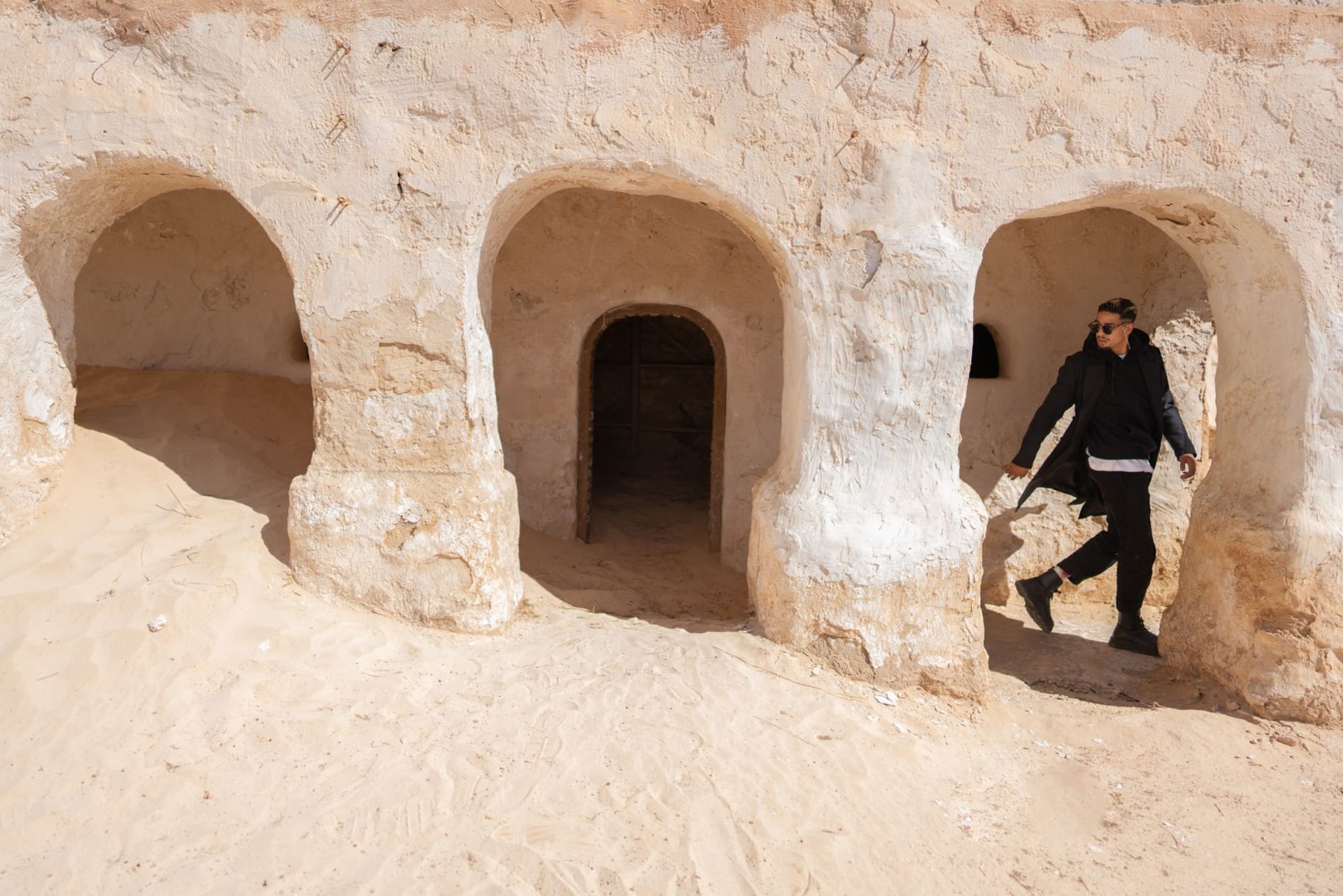
Waw an Namus
"For two days we drove across pale yellow nothing, and then the sand turned black, as if someone had spilled the night across the desert."
Waw an Namus is not a place you arrive at; it is a place you commit to. It sits in the deep south of Libya, in the Fezzan, hundreds of kilometres from anything resembling a town, an extinct volcanic field stranded in the middle of the Sahara. You do not go there casually, and you do not go there alone — the only sane way in is with experienced desert drivers, multiple vehicles, and far more water and fuel than seems reasonable. I will admit I spent the long approach quietly cataloguing all the ways the trip could go wrong, which is, I have learned, simply what my brain does in big empty spaces.
Black sand in a yellow desert
The thing that announces you have arrived is the colour. For two days the desert had been every shade of pale — bone, straw, the faint pink of dawn on dunes — and then, abruptly, the sand turned black. Waw an Namus erupted long enough ago that nobody can give you a confident date, and it scattered a vast halo of dark volcanic ash across the surrounding sand, a ring of black perhaps twenty kilometres wide. Crossing the boundary felt genuinely uncanny, like driving from one planet onto the surface of another.
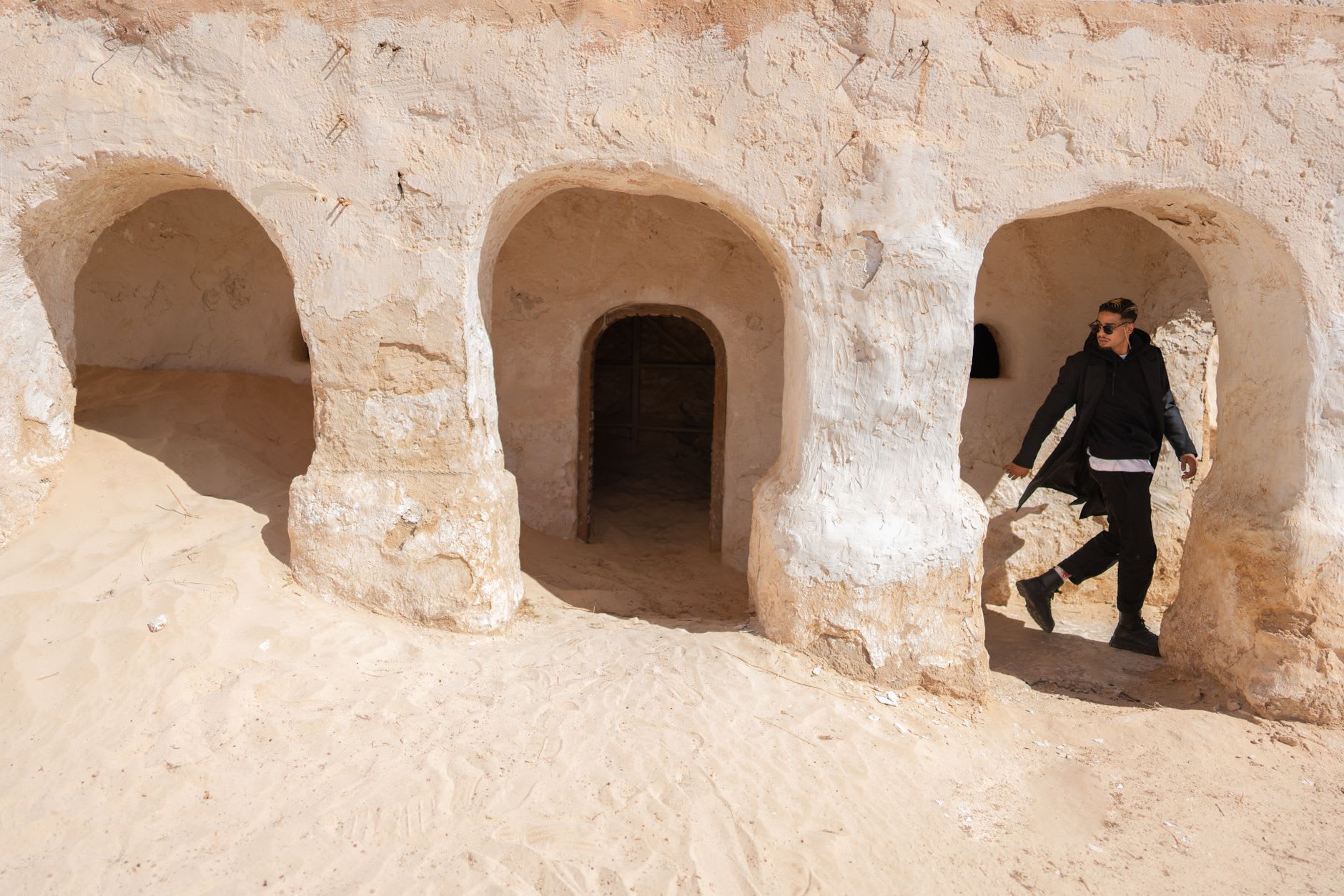
At the centre rises the cone itself, modest in height but unmistakable, the dark fossil of whatever violence built this place. We climbed it in the cold of early morning, before the sun turned the black ash into a frying pan, and stood on the rim looking down into the caldera. I had read about it for years. Standing there, slightly breathless, I still was not quite prepared.
The lakes inside the crater
Because inside the crater, impossibly, there is water. The caldera holds several small salt lakes, and each one is a different colour — one greenish, one reddish, one a deep blue-black — depending on the minerals and the algae that survive in them. Around their edges grows a fringe of green: reeds, palms, a stubborn band of life in the most hostile setting I have ever stood in. The name itself, I was told, refers to mosquitoes, which breed in this water and which we duly met at dusk, an absurd detail in a place this remote.
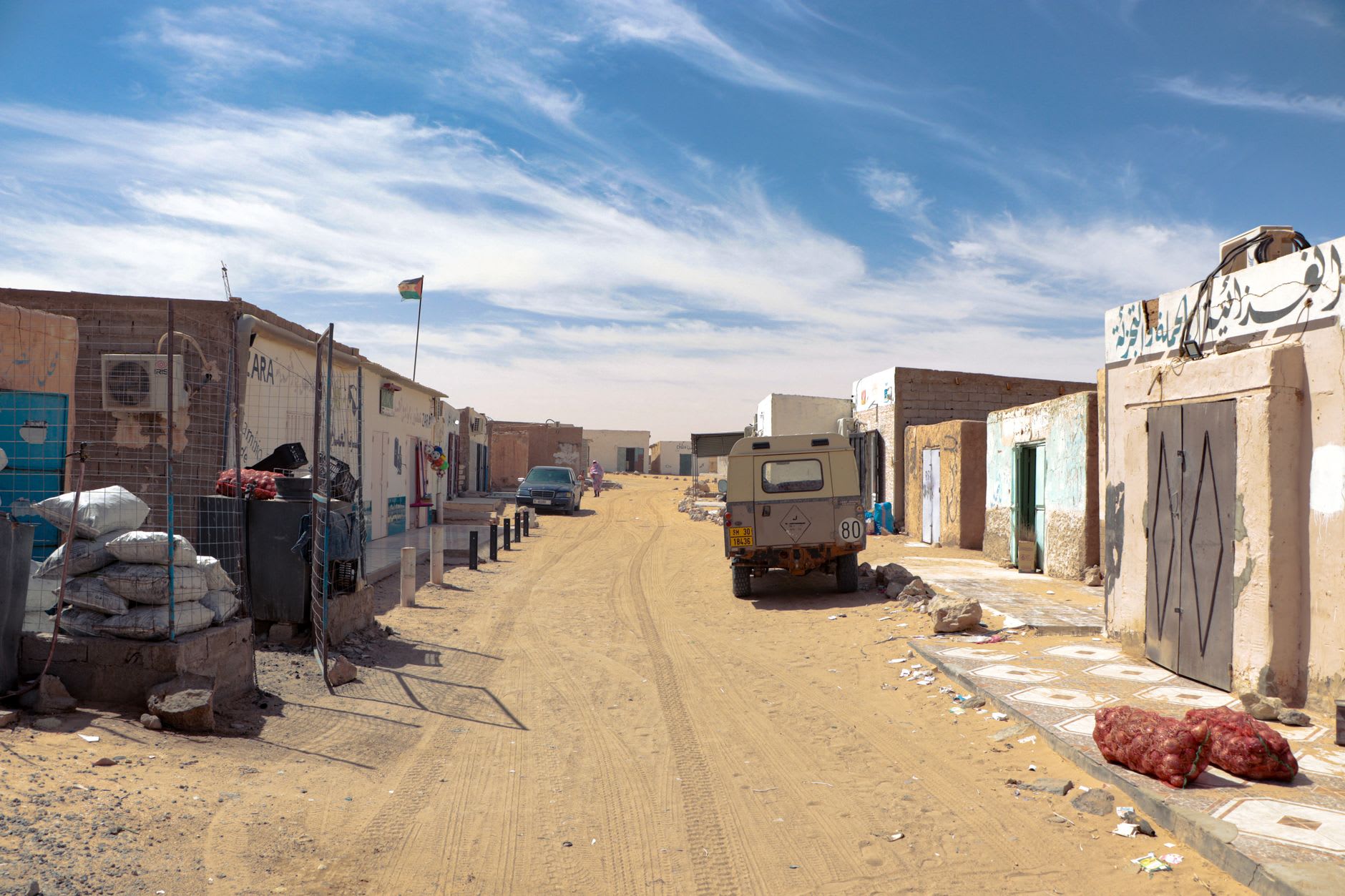
We camped on the black sand that night, no light anywhere but our small fire and a sky so thick with stars it looked solid. Lia, who is harder to impress than she lets on, said almost nothing for an hour, which from her is the highest praise. I lay back on ground that had once been molten and felt the particular smallness this desert specialises in — not frightening, exactly, but clarifying.
When to go: November to February only, and only with a properly equipped, experienced expedition. The southern Sahara in summer is genuinely lethal, and security conditions in this region shift — check carefully and travel with people who know the route.