Providence Island
"Lia and I stood on a strip of land smaller than our old apartment building, and it held the weight of an entire country."
A quiet island in the Mesurado River where a nation's whole story begins, and where Monrovia's noise finally falls away.
I almost missed Providence Island. It’s easy to, honestly — you’re driving through the chaos of central Monrovia, past the fish sellers and the honking shared taxis, and then someone points at a low green hump in the river and says, “that’s it, that’s where it started.” No grand entrance, no queue of tour buses. Just the Mesurado sliding past on both sides, brown and unhurried, and this small island that I’d read about for months before I ever saw it with my own eyes.
We crossed by footbridge on a bright, dry-season morning, the kind where the light sits flat and hard on the water. A local guide named Joseph met us near the entrance and didn’t waste time on small talk — he walked us straight to the spot where, in 1822, the first group of freed African Americans sent by the American Colonization Society came ashore and settled, an arrival that effectively founded the Liberian nation. I remember Lia going quiet in a way she rarely does. It’s one thing to read the year in a book. It’s another to stand on the actual mud and grass where it happened, with the same river current still moving past.
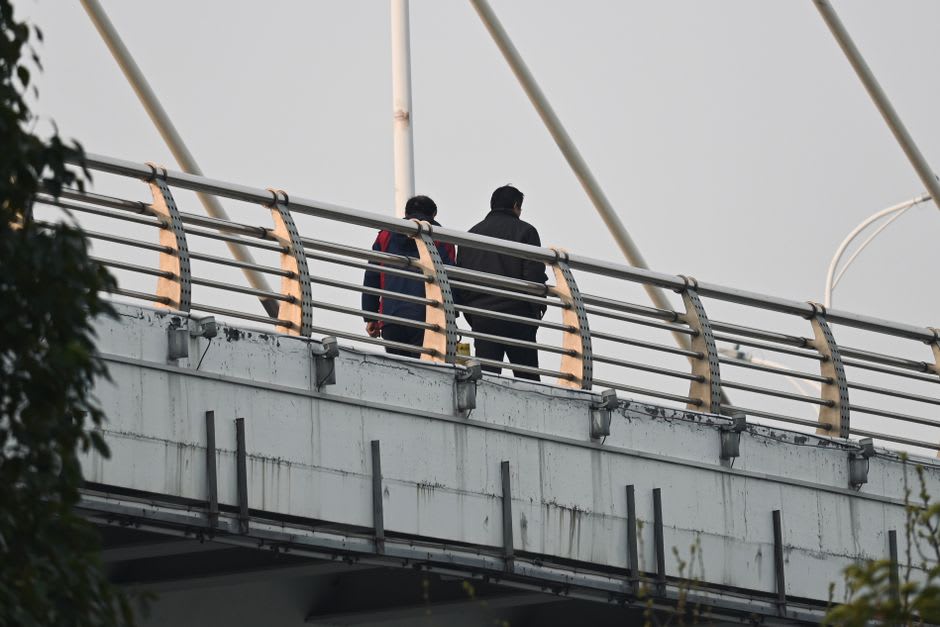
What stayed with me longer, though, was what Joseph told us about the island before 1822 — that it had already been a post in the regional slave trade, a place people were moved through against their will long before it became a place of arrival and settlement. Standing in the small museum afterward, looking at photographs and a few preserved documents, I felt that double history pressing on the room. It’s not a neat story, and nobody there tried to make it one. We spent a long time by the monument commemorating the landing, its inscription a little worn by decades of humidity, while a fisherman worked a net in the shallows behind it like it was any other Tuesday.
We ended the visit sitting on a low wall near the water, sharing a bag of roasted peanuts Joseph’s cousin sold from a cooler by the entrance, watching Monrovia’s rooftops shimmer across the river. It’s a small site — you could walk the whole island in twenty minutes — but I haven’t stopped thinking about it since. Some places you visit for the scenery. Providence Island you visit because you should know where you’re standing.
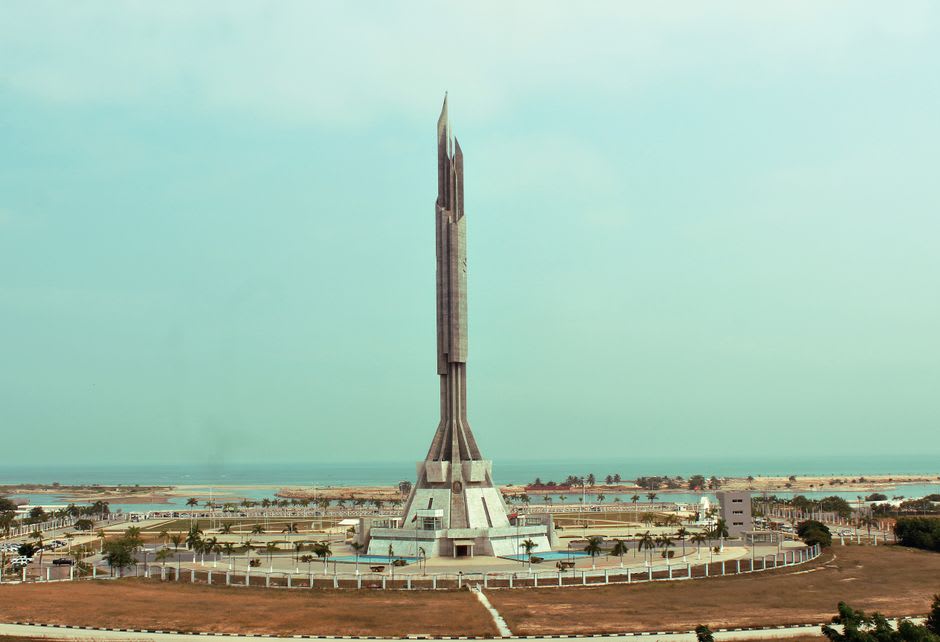
When to go: November to April, during the dry season — the heat is easier to manage and the river paths around the island aren’t turned to mud, which makes the short walk and the museum visit far more pleasant.
Keep exploring
More from Liberia
 liberia
 Robertsport
A fishing town with world-class surf and almost no one on the waves — West Africa's best-kept secret has been kept very well indeed.
Explore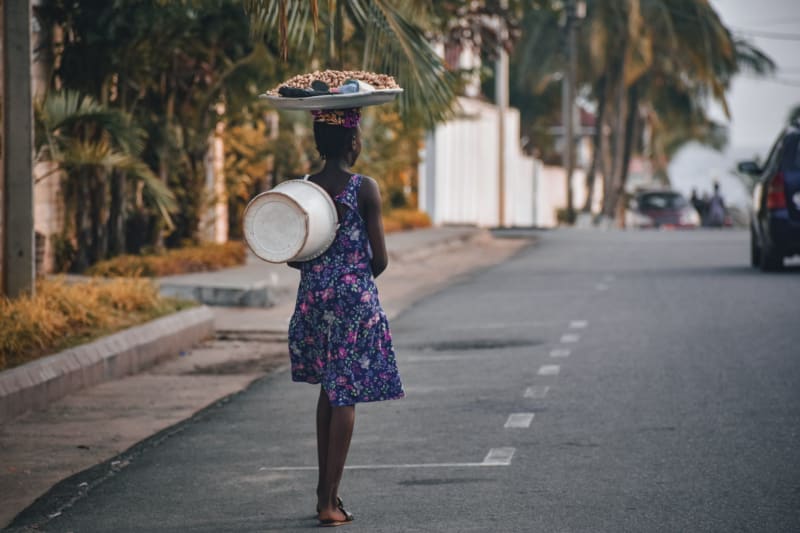 liberia
 Sapo National Park
West Africa's last true wilderness — no roads, no lodges, just primary rainforest and the creatures that live there, undisturbed.
Explore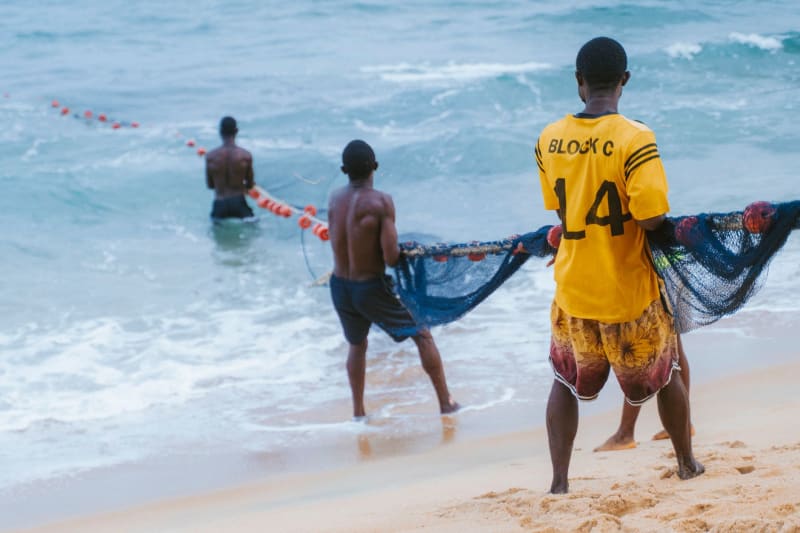 liberia
 Buchanan
Liberia's second-largest city wears its port-town grit with ease and hides some of the country's most accessible beach behind it.
Explore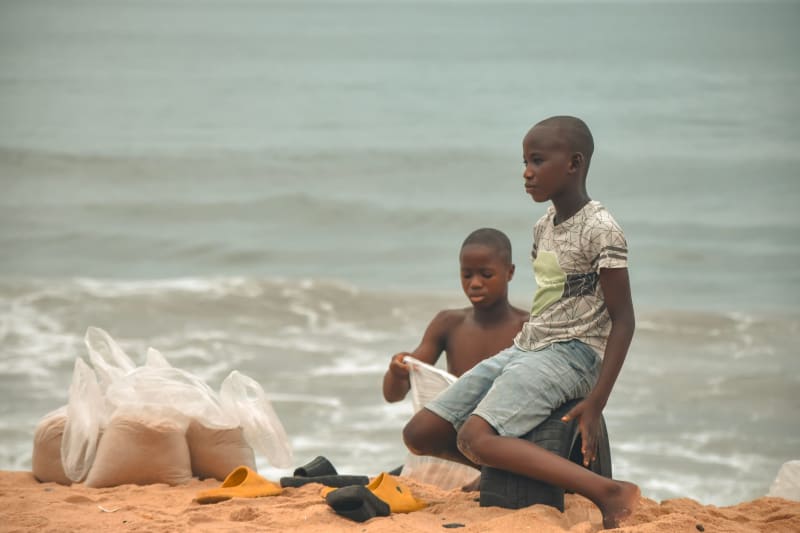 liberia
 Gbarnga
An interior crossroads town in Bong County that carries the weight of Liberia's civil war history with quiet, unremarked dignity.
Explore liberia
 Gola Rainforest National Park
Liberia's largest stretch of intact rainforest on the Sierra Leone border, home to pygmy hippos, forest elephants and one of West Africa's strangest birds.
Explore liberia
 Greenville
The river town at the edge of the forest where every journey into Sapo National Park begins and everything slows to the pace of the Sinoe.
Explore