
Lake Piso
"The lake holds the sky so perfectly I couldn't tell for a moment which way was up."
You can walk from the beach at Robertsport to the edge of Lake Piso in about fifteen minutes — fifteen minutes from Atlantic surf to the most absolute stillness I’ve found in West Africa. The lake is separated from the ocean by a narrow strip of sand and palm trees, and that proximity gives it a strange double quality: you can hear the ocean from the lake on a quiet morning, a low continuous presence behind the silence of the water. The lake holds roughly 75 square kilometers of freshwater connected to the Atlantic through a system of channels that the local fishermen navigate with the precision of people who have memorized every shallow.
I went out on the lake with a fisherman named Emmanuel, who had a narrow dugout canoe and a paddle style that looked like no effort at all and produced considerable speed. He spoke limited English and I spoke no Kru, so we traveled mostly in silence, which suited the place. The morning was overcast and the water was the color of pewter, perfectly flat, and the mangroves along the northern shore reflected in it so exactly that the real trees and the reflected trees became interchangeable. I took photographs I knew wouldn’t work. Some things require being physically present and the lake at dawn is among them.
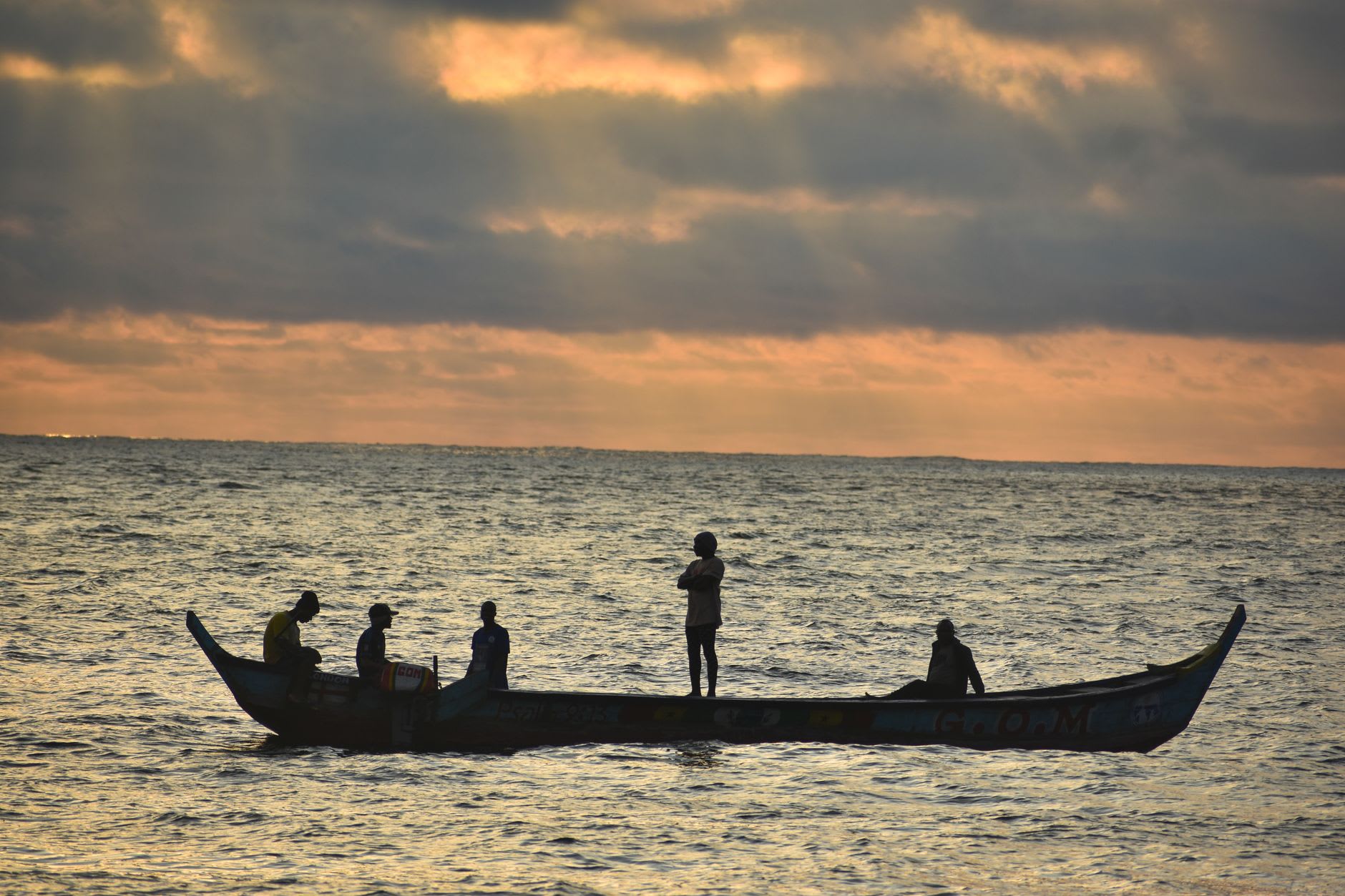
The bird life on the lake is considerable. Little egrets work the shallows in the mechanical way they have. Fish eagles call from dead trees above the mangroves with that high, piercing cry that carries across the whole lake on still mornings. Emmanuel stopped paddling twice to watch something in the reeds that I never identified, though his stillness was total and clearly practiced. The fishing camps on the lake’s northern shore — collections of wooden platforms built over the water with thatched roofs and nets drying on every available surface — house men who may spend weeks at a time on the lake, moving between camps and fishing at night using lights that draw the fish toward the surface.
The connection between the lake and the Atlantic through the channels and lagoons creates a brackish transition zone that supports a particular ecosystem — certain fish species cross between the two bodies of water, following something in the water chemistry that Emmanuel explained and I only half followed. What I understood was that the fishermen read the water differently depending on which zone they were working, and that this reading was partly taught and partly intuitive, accumulated over generations of people living between salt and fresh.
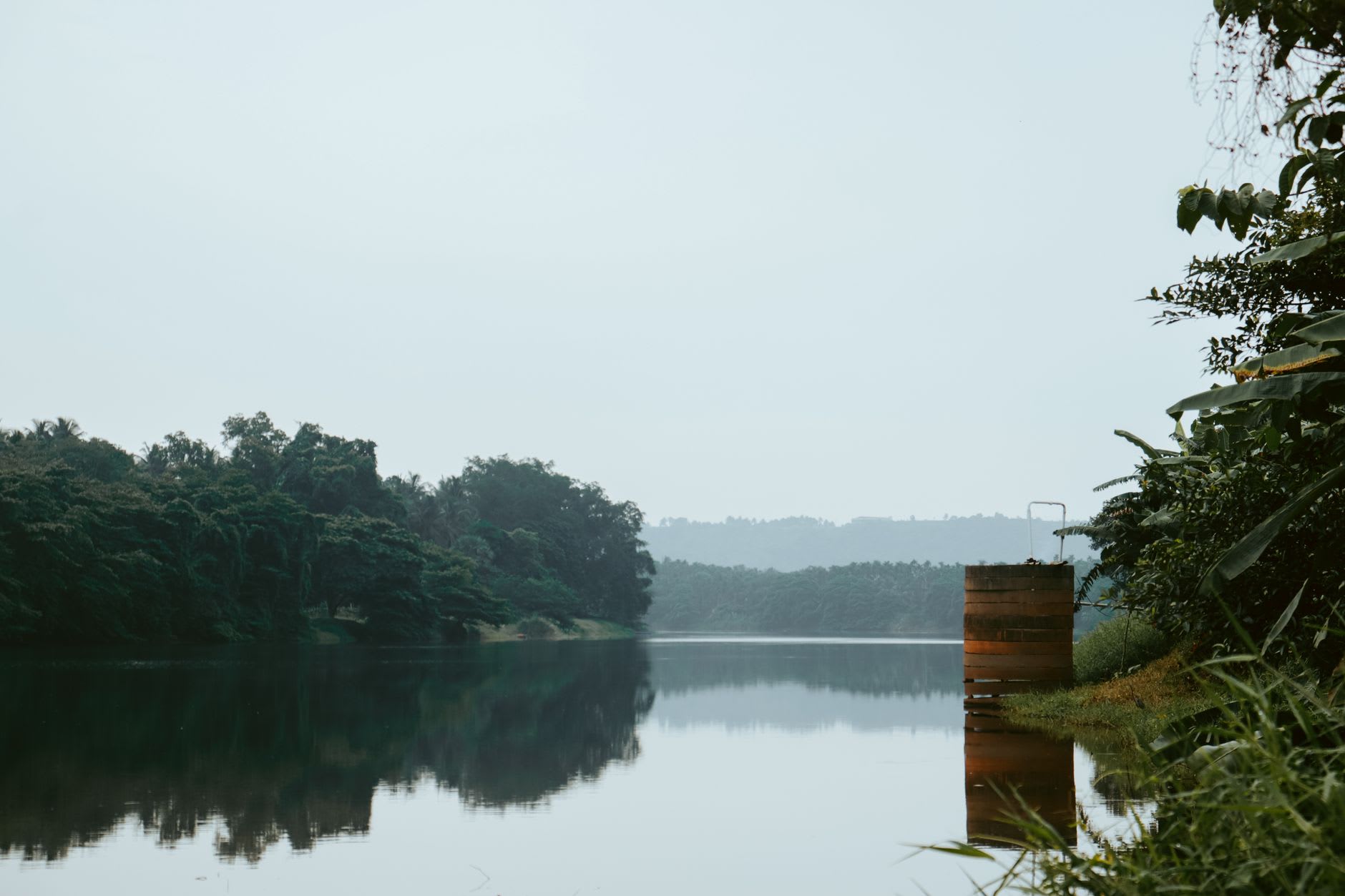
The lake as an experience requires patience rather than agenda. There is nothing on it to see in the way that phrase usually means. The beauty of it is slow and specific: the way the light changes on flat water, the sound of a paddle entering the water cleanly, the smell of mud and vegetation and fish that hangs over the channels, the quality of time that expands on a flat surface when you have nowhere particular to be. I find I remember the lake more precisely than most of what I saw in Liberia, and I suspect that’s because there was nothing competing with it for my attention.
When to go: The dry season — November through April — offers the calmest lake conditions and the most navigable channels. Arrange a canoe through the fishing communities at Robertsport; the surfing camp there can facilitate introductions. Morning is the only time to be on the water — by midday the wind picks up and the mirror is gone.