A rubber-country market town northeast of Monrovia, where a century-old vocational school still shapes the community around it.
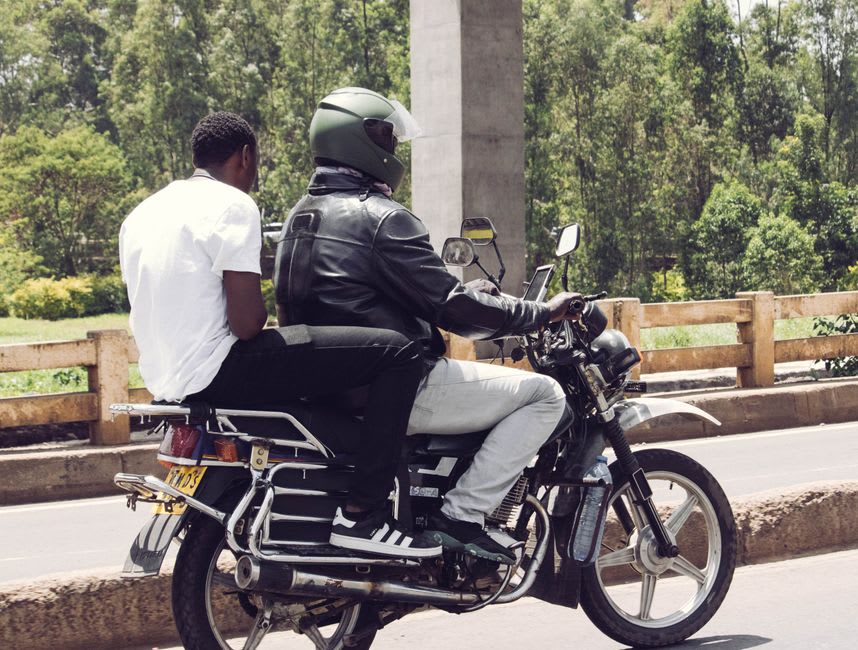
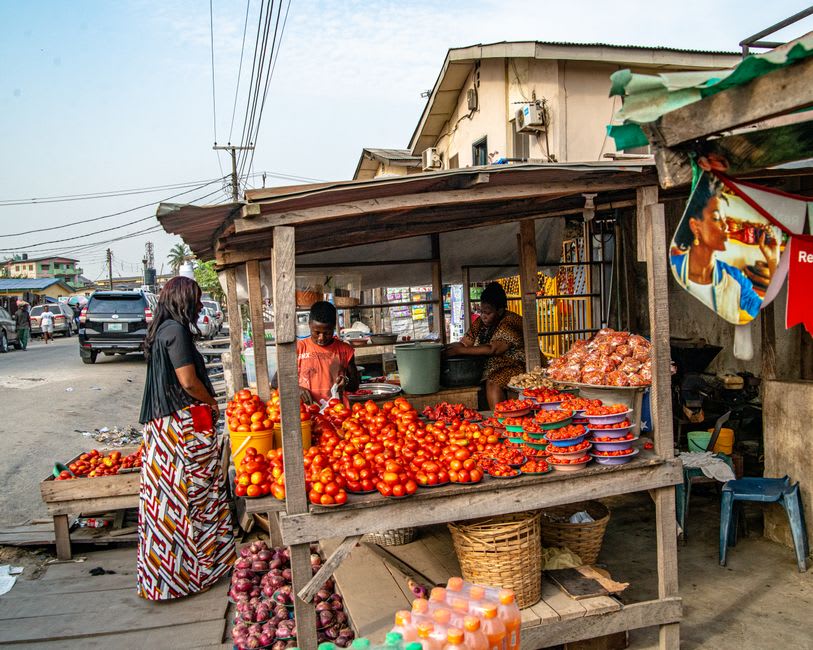
I hadn’t planned to stop in Kakata. We were headed inland from Monrovia and the map just happened to put it about sixty kilometers up the road, in Margibi County, and Lia said we should break the drive there rather than push straight through. I’m glad we did. The town has this unhurried, working energy to it — trucks loaded with green rubber sheets idling at the junction, women calling out prices on plantains and dried fish, motorbike taxis weaving through all of it — that felt more honest than anything we’d seen closer to the capital.
What pulled me in, though, was the Booker Washington Institute. I’d read a little about it before we left Monrovia — Liberia’s oldest vocational and technical school, founded in 1929 and named after Booker T. Washington, the African-American educator whose ideas about practical, hands-on training clearly still shape the place. We wandered near the campus in the late afternoon, and I remember a groundskeeper stopping to explain, unprompted, that his own father had trained there as a mechanic decades earlier. There was real pride in how he said it.
The rubber is impossible to miss once you know to look for it. Kakata sits right at the edge of country long tied to the old Firestone concession, established in 1926, once one of the largest rubber plantations on earth. Driving out of town, the road cuts through row after row of trees, each trunk scored in that same diagonal pattern, tin cups catching the latex. Lia made me pull over so she could photograph the light coming through the canopy — it’s a strange, quiet kind of beauty for something so tied to industry and, historically, to hard labor.
By the time we got back into the market to buy fruit for the road, the afternoon crowd had thickened — Kakata has always been a crossroads between central Liberia and Monrovia, and you feel that in how many directions people and goods are moving at once. We ate roasted corn standing up next to the truck, watching the transport hub do exactly what it’s done for generations.
When to go: Aim for November through April, during the dry season — the roads in and around Kakata turn to thick red mud once the rains set in, and the drive from Monrovia is a lot more forgiving when the ground is firm.
Keep exploring
More from Liberia
 liberia
 Kpatawee Waterfall
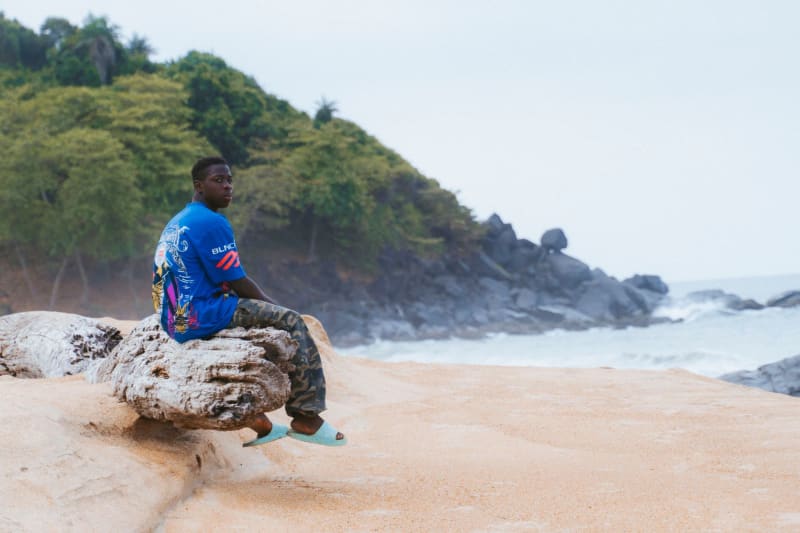
A two-tiered forest waterfall near Gbarnga that crashes into a cold pool and asks nothing of you except that you get in.
Explore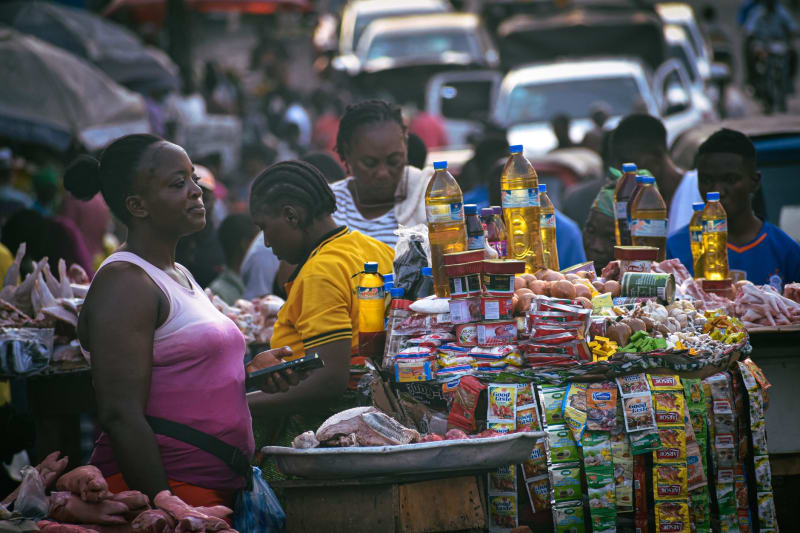 liberia
 Lake Piso
Liberia's largest lake opens just behind Robertsport's surf — a still-water world of mangrove channels, fish camps, and mirror-flat mornings.
Explore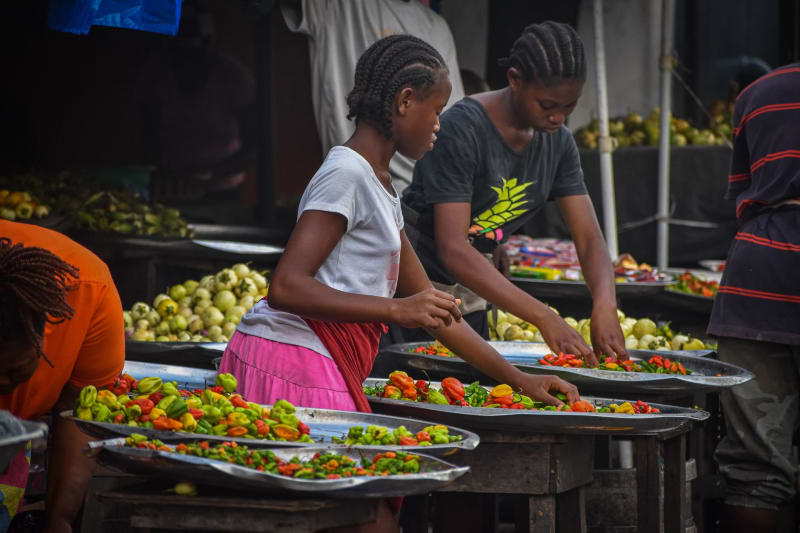 liberia
 Monrovia
A capital city scarred by war and rebuilt by sheer will, where the Atlantic crashes against a history that refuses to stay quiet.
Explore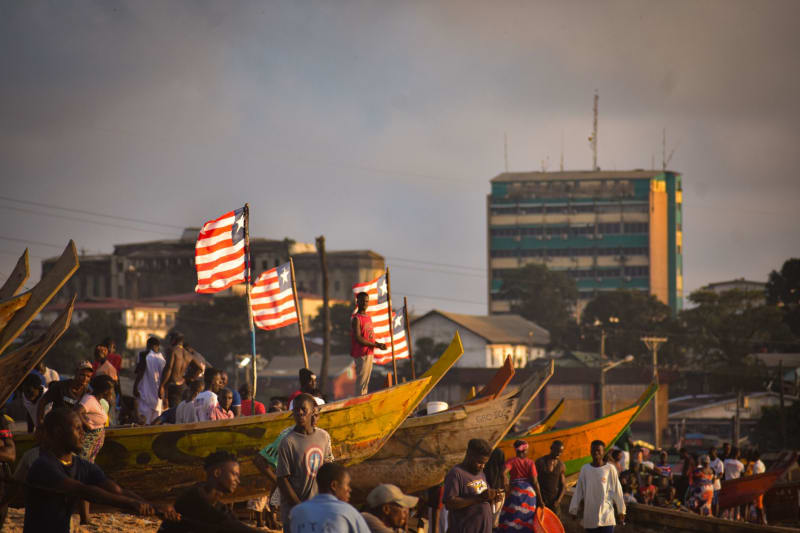 liberia
 Nimba County
Where Liberia, Guinea, and Ivory Coast converge at the peak of a mountain that three nations share and none quite controls.
Explore liberia
 Providence Island
A quiet island in the Mesurado River where a nation's whole story begins, and where Monrovia's noise finally falls away.
Explore liberia
 Robertsport
A fishing town with world-class surf and almost no one on the waves — West Africa's best-kept secret has been kept very well indeed.
Explore