Greenville
"Every path into Sapo leads through Greenville, and Greenville doesn't mind being a beginning."
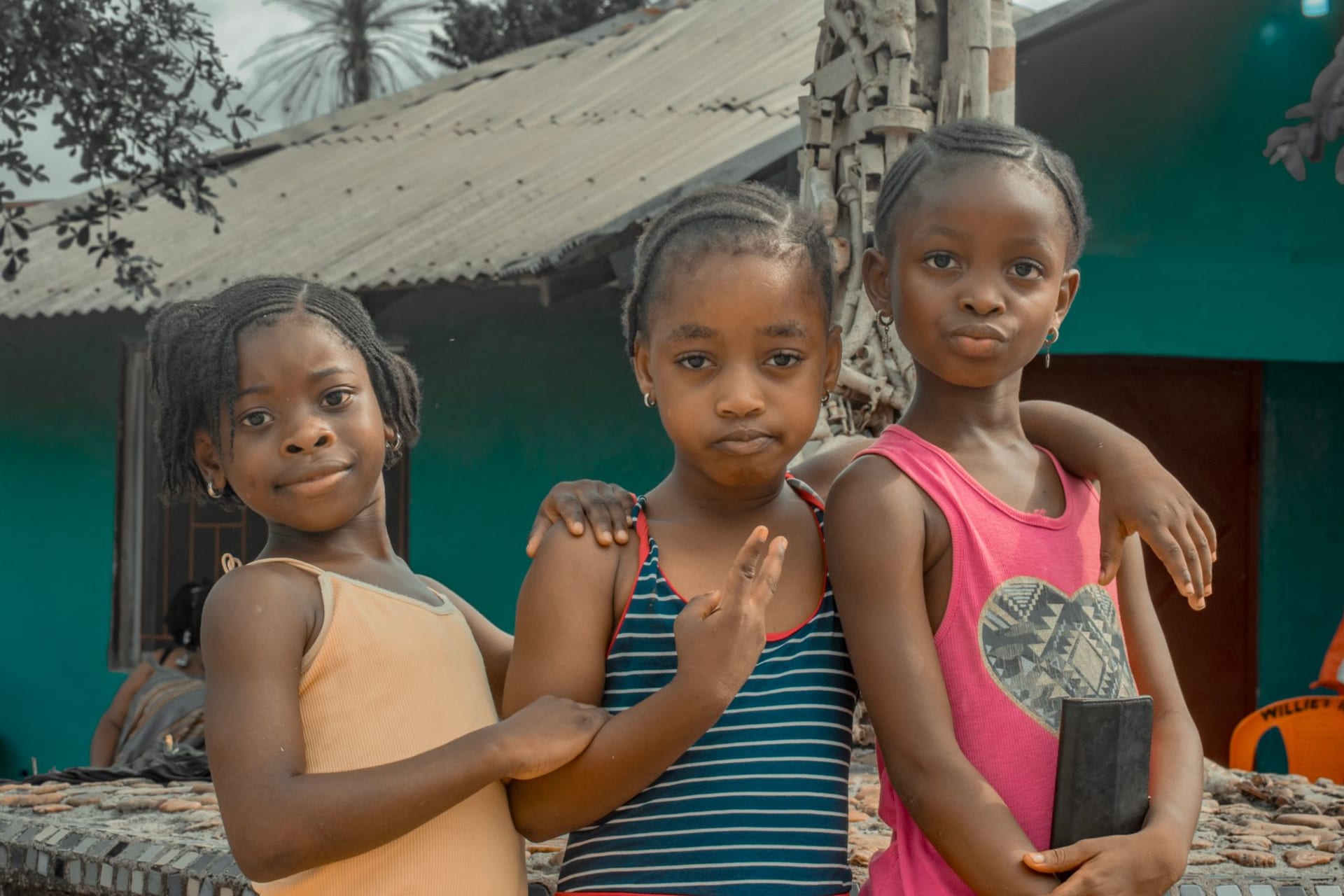
Greenville has the atmosphere of a town organized around waiting. Not the restless waiting of a transport hub, but the patient waiting of a place that exists at the edge of something large and understands that things happen on their own schedule out here. The Sinoe River bends through town before opening to the Atlantic, and the waterfront is where the town does most of its living — boats coming and going, the fish market working its morning business, guides and park rangers smoking on the dock and watching the river with the air of men who know it well enough not to need to watch it very closely.
I arrived from Monrovia after an eight-hour drive that had included a ferry crossing, two sections of road that were more theory than practice, and a final approach through rubber plantation that stretched for miles in geometric rows. The rubber trees gave way to town without any particular announcement — suddenly there were houses and a generator sound and the smell of palm oil cooking. I checked into the one functional guesthouse, which had a ceiling fan that worked when the generator was on and a bucket shower that worked continuously and which was, in the way of simple places, perfectly adequate.

Sinoe County was one of the areas hardest hit during the civil war years, and Greenville carries the visible evidence of incomplete reconstruction — buildings patched rather than rebuilt, roads unpaved, the infrastructure of a town that has been reassembled by hand with available materials. But the fish market at dawn operates with the energy of something that never stopped: women arriving with baskets while the boats are still in the river, the catch sorted and weighed by a system I couldn’t follow that nonetheless seemed to produce agreement between buyers and sellers without raised voices. I ate fried fish and rice at a stall operated by a woman named Florence who charged me a price I later learned was the same she charged everyone.
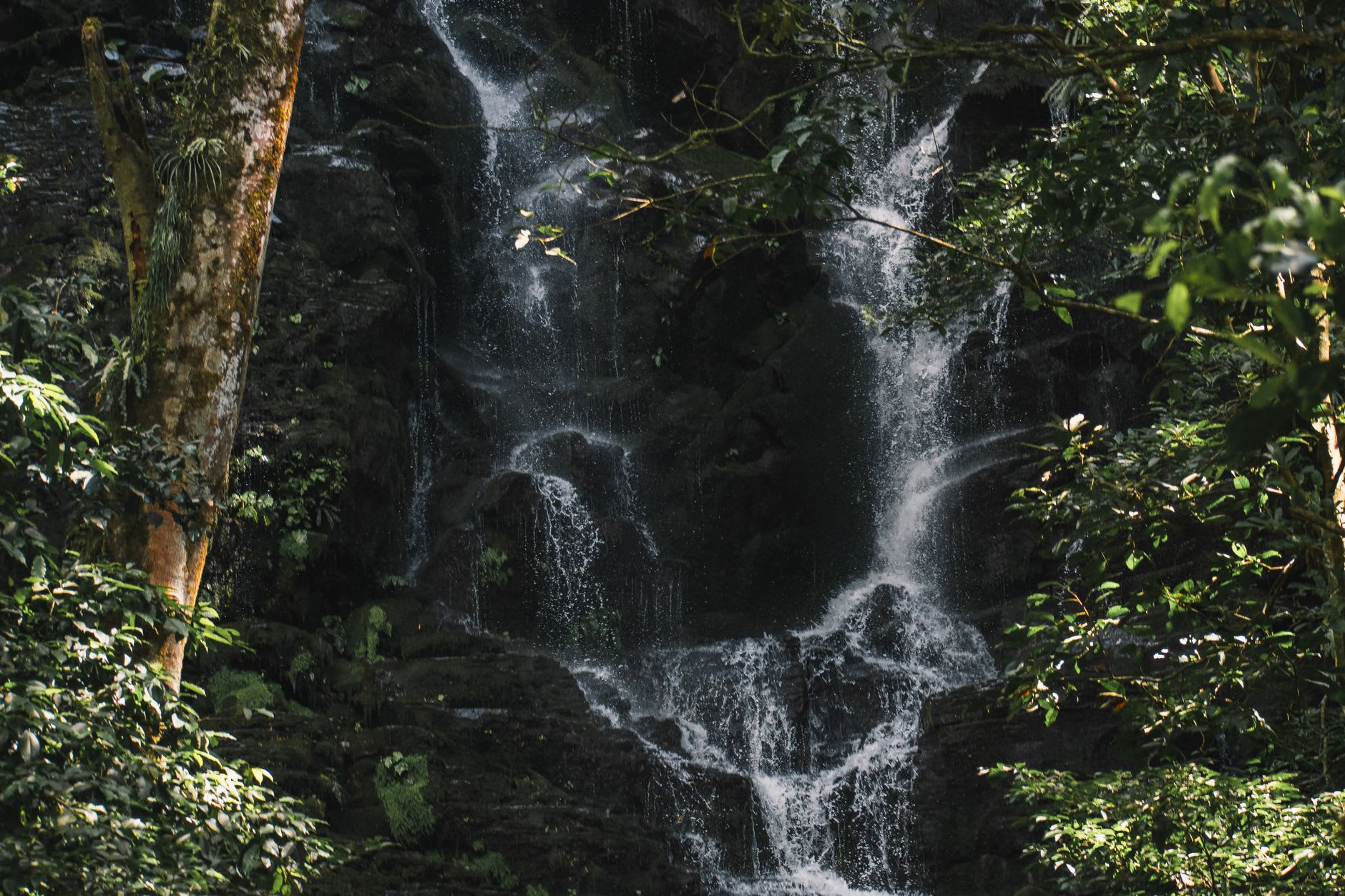
The point of Greenville for the traveler is usually Sapo — the national park lies upriver and the town is the departure point for dugout canoe journeys into the forest. But arranging this takes time and local connections, and a day or two in Greenville while the logistics sort themselves out is not wasted. The town has an unhurried quality that rewards wandering: the market, the waterfront, the rubber-age buildings in various states of survival, the conversations that happen when someone with curiosity sits in a plastic chair with a beer and waits to see what occurs.
There’s a community of researchers and conservationists who cycle through Greenville on their way in and out of Sapo, and they constitute an informal information network about conditions in the park — which trails are open, where the rangers are stationed, what’s been seen recently. I had dinner one evening with two of them at Florence’s stall, and the conversation covered chimpanzee genetics, the politics of community forestry, and the quality of the palm wine from a specific village near the park boundary, all with equal intensity. It was the kind of evening that reminds you that the people drawn to remote places tend to be disproportionately interesting.
When to go: December through March gives the best conditions for both the road to Greenville and the river journey into Sapo. Plan a minimum of three nights in Greenville to allow time for logistics and park permits — everything here moves at a river pace and rushing it produces nothing.