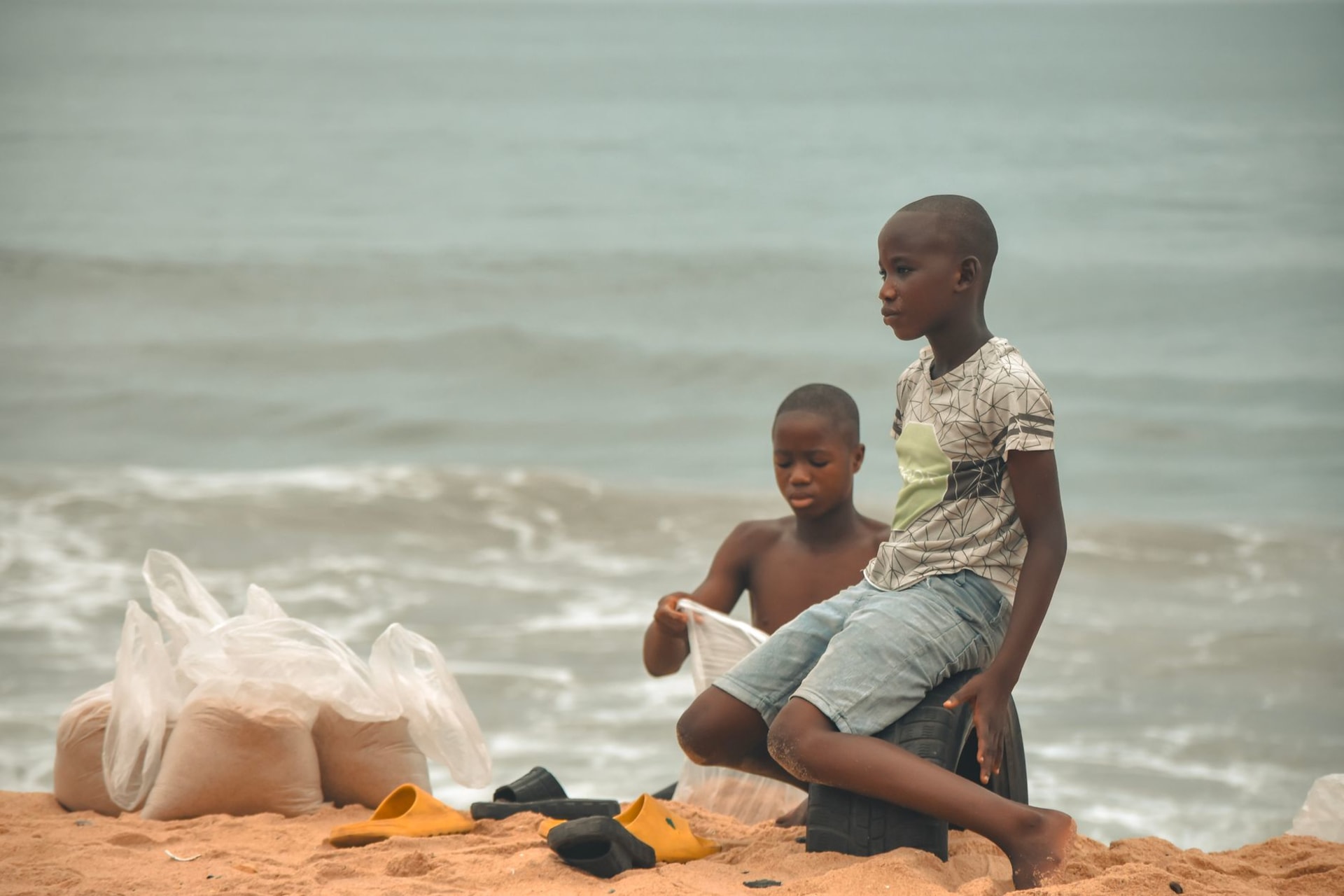
Gbarnga
"Towns that have held history this heavy tend to be very quiet about it afterward."
Bong County spreads across the interior of Liberia in a landscape of low hills and stretches of forest broken by farm clearings and small towns strung along the main road from Monrovia to the north. Gbarnga sits roughly at the midpoint of this road, the largest town in the county and the commercial center for a wide agricultural hinterland, where cassava and rubber and palm oil move in and out in trucks that look like they’ve survived conditions they probably have. The hills of the Bong Range are visible from town in most directions, low and rounded and forested on their upper slopes in a way that softens the midday glare.
I came to Gbarnga ostensibly to break the journey north, and I stayed because the market kept me. The main market operates with a scale and variety that surprised me for an interior town: the farm produce section alone covered what seemed like half a block, with varieties of cassava I hadn’t seen in Monrovia, dried fish in enormous quantities, fresh-ground palm oil in buckets, and piles of forest greens whose names I wrote down phonetically and then couldn’t transcribe. The tailors working along the back edge of the market had bolts of lappa cloth in colors that seemed to exist nowhere else — a deep ochre, a turquoise that shifted toward green in different light.
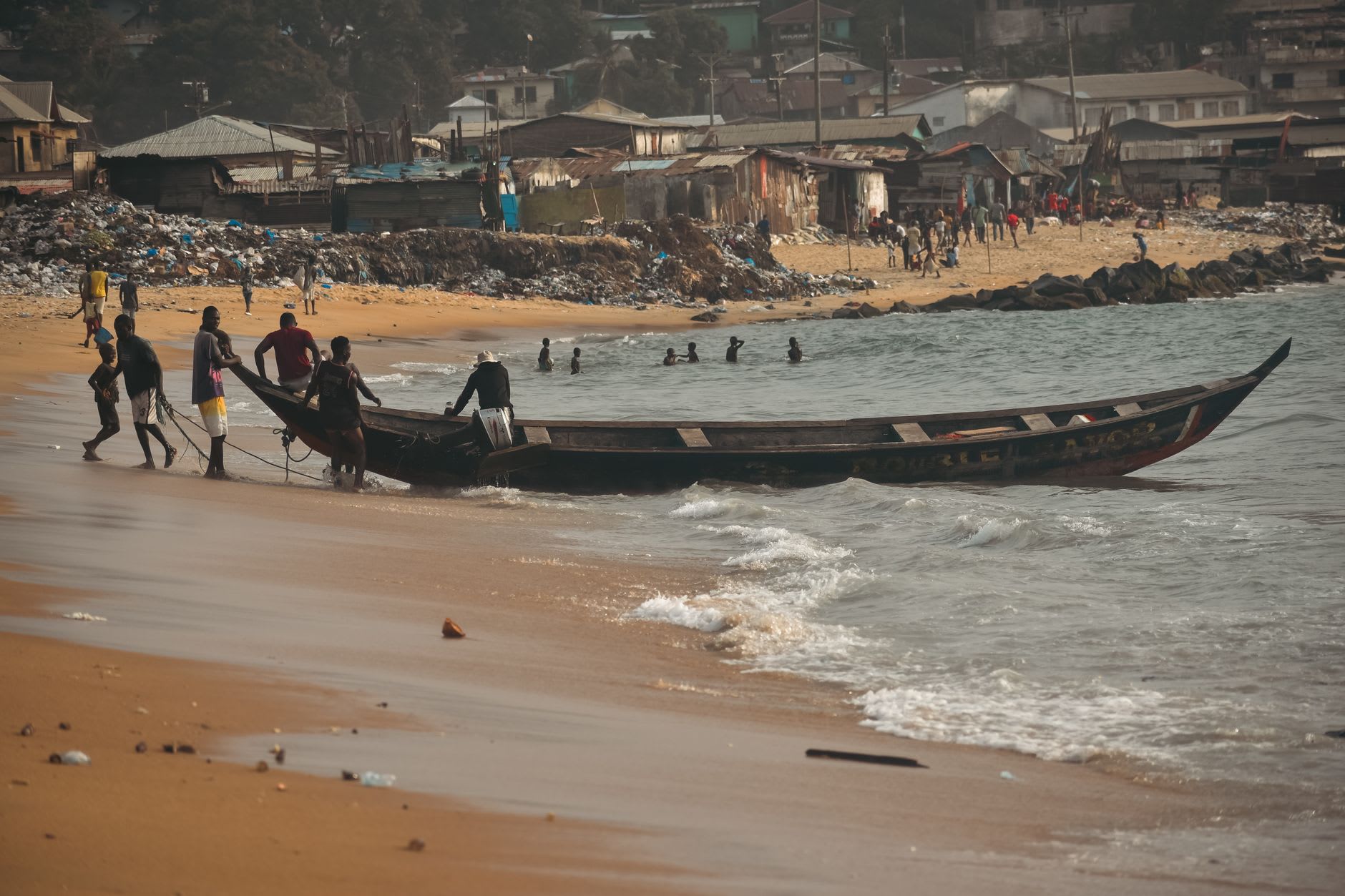
Gbarnga has a specific gravity in Liberian history that most visitors don’t come here knowing and find in the conversations rather than in any signage. This was the base from which Charles Taylor ran the NPFL during the first civil war — the town functioned as an alternative capital during years of conflict that reshaped the country in ways still being processed. The buildings and roads don’t mark this particularly; the history is in the atmosphere and in the way people in their forties and fifties speak carefully around certain subjects and directly around others. I didn’t pursue it in the way a journalist would. It came up in a conversation over palm wine with a shopkeeper who remembered the war years and spoke about them with the flat affect of someone who has processed things over time and arrived at some kind of hard-won accommodation.
The surroundings of Gbarnga reward a day’s exploration. The road toward Zorzor passes through forest that has recovered enough from the war period to be dense and interesting, with occasional movement in the canopy that Adolphus, my occasional guide from an earlier leg of the trip, would have identified precisely and I could only admire generally. The Bong Mine further north is a landscape of industrial archaeology — the iron ore operation that once employed thousands and connected Liberia to global commodity markets now sits largely idle, its machinery enormous and rusting in a way that is aesthetically striking in direct proportion to how economically complicated it is.

Gbarnga is not a destination that offers experiences in the packaged sense. It is a town going about its own business in a part of Liberia that travelers pass through rather than stop in, and the value of stopping is the encounter with that self-sufficiency — the market that exists for the county rather than for tourists, the palm wine bar where the clientele is entirely local, the conversations that start simply and go somewhere unexpected. I left feeling I’d touched something more like the actual country than much of what I’d seen along the coast.
When to go: Year-round — the road from Monrovia to Gbarnga is paved and generally passable in all seasons. Market days vary so ask locally when you arrive. The harmattan months of December through February bring slightly cooler temperatures that make the interior more comfortable than the humid coast.