Katse Dam
"The dam wall is 185 metres high and curves like something that shouldn't be able to hold the weight it's holding — and yet."
The first view of Katse Dam comes around a bend in the mountain road and stops you, involuntarily. Your brain does a brief recalibration — searching for the frame of reference, the scale, the category for what it’s looking at — before it arrives at the word dam, and even then the word seems inadequate. The double-curvature arch of the wall, white concrete pressed into a narrow basalt gorge, holds back a reservoir that stretches kilometres into the mountains, the water a colour between turquoise and deep green depending on what the sky is doing. The scale is simply geological. It does not look like a human thing. It looks like something the mountains made.
I had driven from Thaba-Tseka on a road that winds through the central highlands with the kind of ambition that rural roads in Lesotho typically have — ambitious routing, indifferent surface — and arrived at the dam in late afternoon when the low sun was turning the reservoir gold at the edges and the concrete wall was throwing a long shadow down into the gorge below. A South African engineer I spoke with later told me the dam was designed to flex — that the concrete actually moves by several centimetres in response to the water pressure, designed in rather than resisted, and that the curve of the wall is precisely calculated to translate that force into compression rather than tension. Architecture as physics. I thought about this for days afterward.

Katse is the centrepiece of the Lesotho Highlands Water Project — one of the most complex water infrastructure schemes in the world, a treaty between Lesotho and South Africa that began construction in 1986 and involved tunnelling hundreds of kilometres through the mountains to transfer water north to the Vaal River system and thirsty Johannesburg. The project partially funded Lesotho’s infrastructure for decades. There is something in this arrangement that Pierre Lussault the Frenchman finds abstractly poetic: a small landlocked mountain kingdom essentially exporting altitude, selling the gravitational advantage of being very high up. Water flows downhill. Lesotho sold the downhill.
The visitor centre at the dam has exhibits on the engineering and the construction history, presented with the justifiable pride of people who built something enormous in a difficult place. Photographs from the construction period — workers on the rock face, the formwork for the wall, the tunnel boring machines — communicate scale in a way the finished structure, paradoxically, almost fails to, because the finished structure is so complete it looks inevitable rather than achieved.

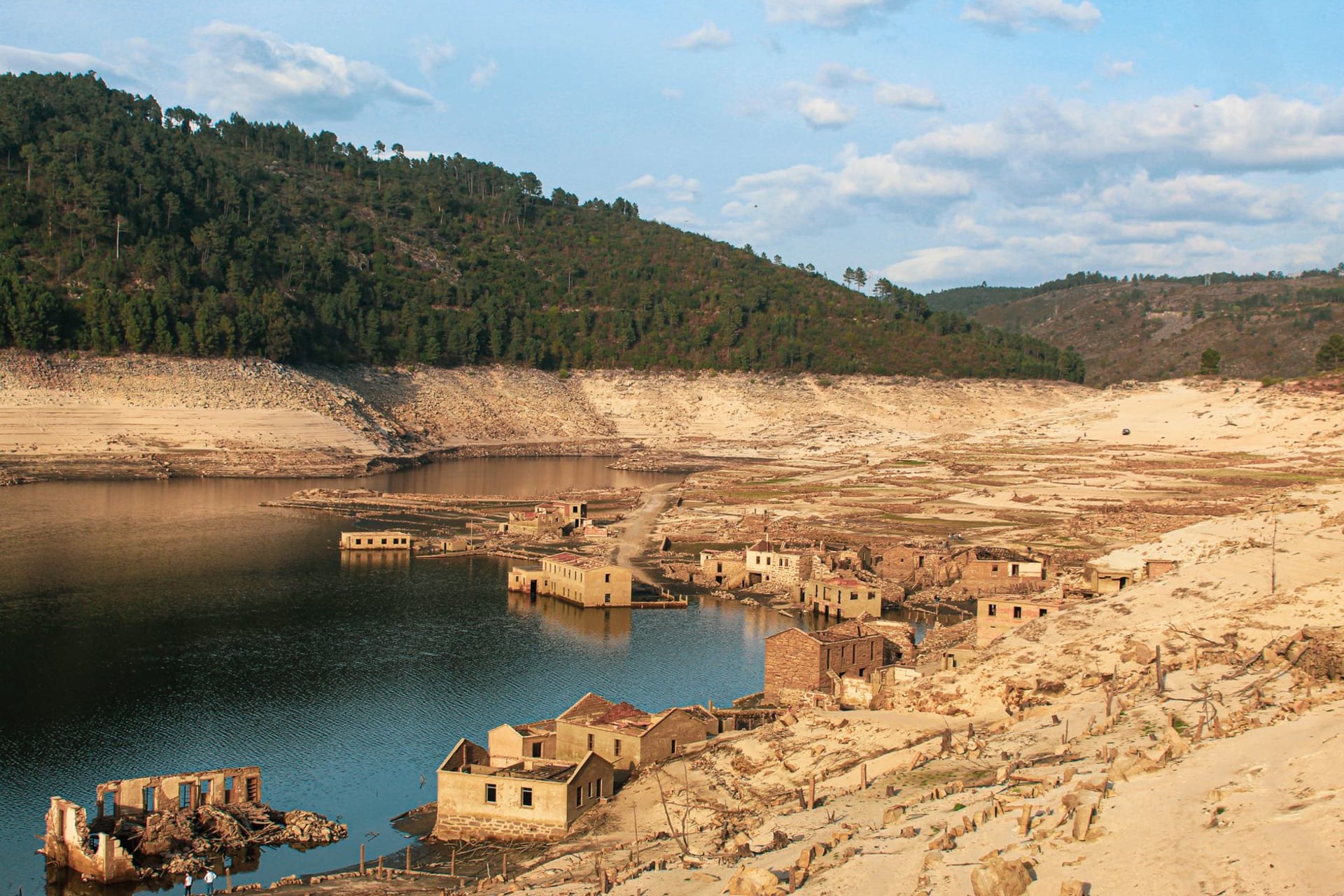
The villages whose lands lie beneath the reservoir were relocated in the 1990s — a fact the official literature handles with varying degrees of candour. In the communities around the lakeshore, I heard opinions about the project that ranged from quiet pride in the engineering to an ongoing grief for the valley that was. Both seemed entirely warranted. Large infrastructure produces both things simultaneously, and Katse Dam contains both with a completeness that honest engagement requires you to hold.
When to go: Year-round, but the combination of snow-capped surrounding peaks and the reservoir’s deep colour makes June and July especially dramatic — cold, clear, and visually extraordinary. The access road from Maseru via Leribe is tarred to the dam and driveable in an ordinary vehicle, making this one of the more accessible highland destinations. Allow a full day from Maseru to do the visit properly.