Deir el Qamar
"Lebanon's old capital sat still long enough for me to actually look at it, which is rarer than it should be."
A perfectly preserved 17th-century capital of ochre stone houses and a silk-trade-era square, where the whole village feels frozen mid-conversation.
Deir el Qamar was the seat of Lebanon’s emirs for nearly three centuries, and it wears that history with a kind of understated confidence that took me by surprise after the more theatrical ruins elsewhere in the country. There’s no single dramatic monument to build a visit around — instead there’s an entire village of ochre stone houses with red-tiled roofs, wooden shutters, and vaulted stone arcades that has simply stayed intact since Ottoman times, largely because it was never bombed out or overdeveloped the way so much of Lebanon’s built heritage has been.
I parked near the main square, still called the Serail after the 17th-century palace of Emir Fakhreddine II that faces it, and just walked without a map for an hour, which is the only correct way to see this place. Every alley opened onto another one exactly like it but slightly different — a courtyard with an old olive press, a doorway with a stone lintel carved in Arabic script, a silk-trade-era khan converted into a small museum. Deir el Qamar grew wealthy on silk in the 18th and 19th centuries, and that money is still legible in the stonework: nothing ostentatious, but everything built to last.
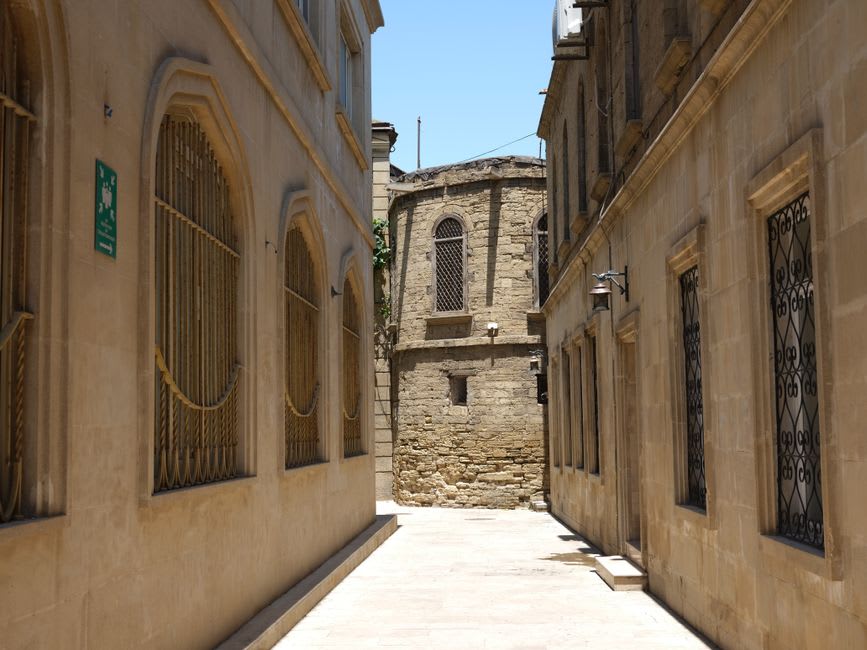
The village’s synagogue — one of the last remaining in Lebanon, a reminder of the small Jewish community that once lived here alongside Christians and Druze — sits quietly a short walk from the main square, closed to visitors but marked with a plaque, a small footnote to the religious plurality that shaped this part of the Chouf. I sat afterward at a café on the Serail square with a coffee and a plate of maamoul, watching the light change on the stone facades as the afternoon wore on, and understood why this square has been a gathering place for nearly four hundred years — it simply has the right proportions for people to linger.
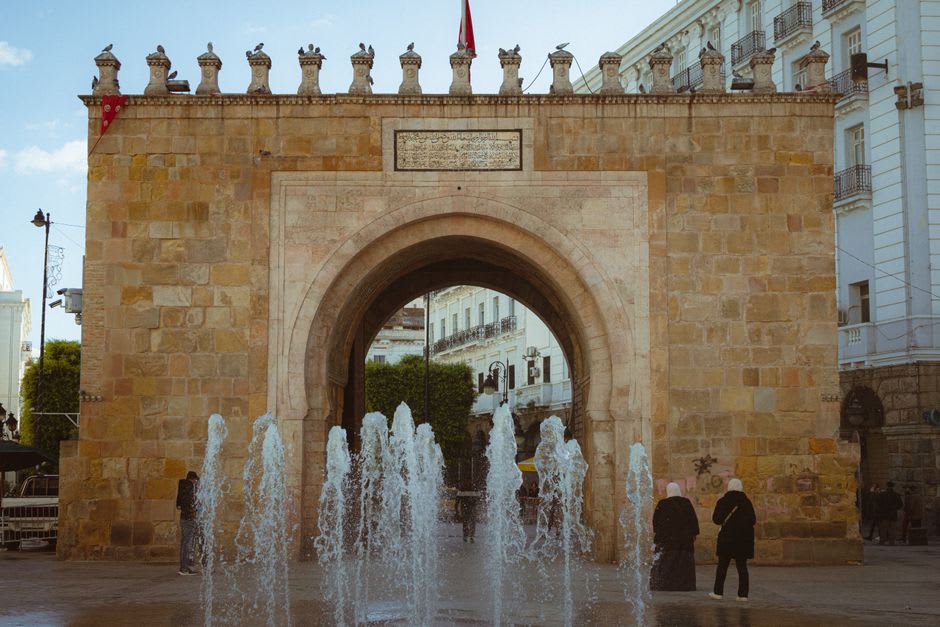
When to go: Spring and autumn afternoons are ideal for wandering the stone lanes without summer heat. The village hosts a lively wine festival most years in September, when the surrounding Chouf vineyards bring their harvest into the square.
Keep exploring
More from Lebanon
 lebanon
 Enfeh
A rocky peninsula of salt pans, sunken ruins visible through clear water, and one of the quietest coastlines left in Lebanon.
Explore lebanon
 Faraya
A ski resort an hour from the Mediterranean where I traded flip-flops for snow boots in the same afternoon, which is the entire point of Lebanon.
Explore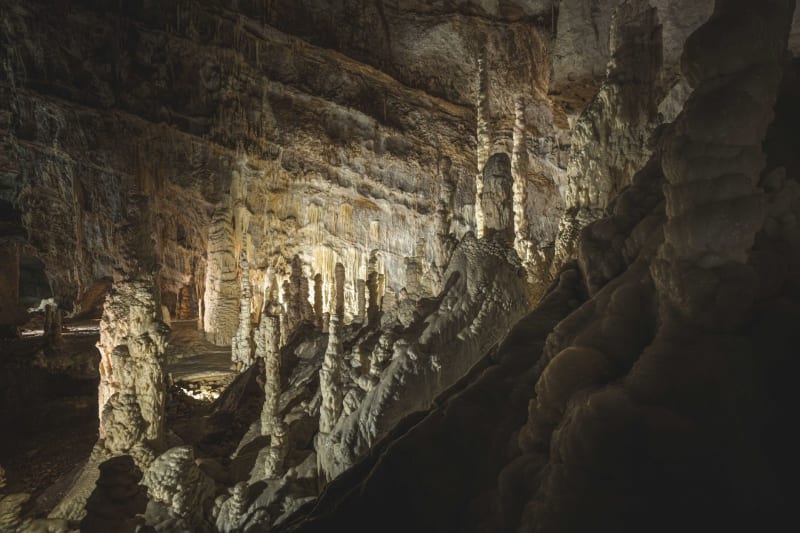 lebanon
 Jeita Grotto
A two-level cave system whose scale and formations are so extreme they push past beautiful into something more like vertiginous.
Explore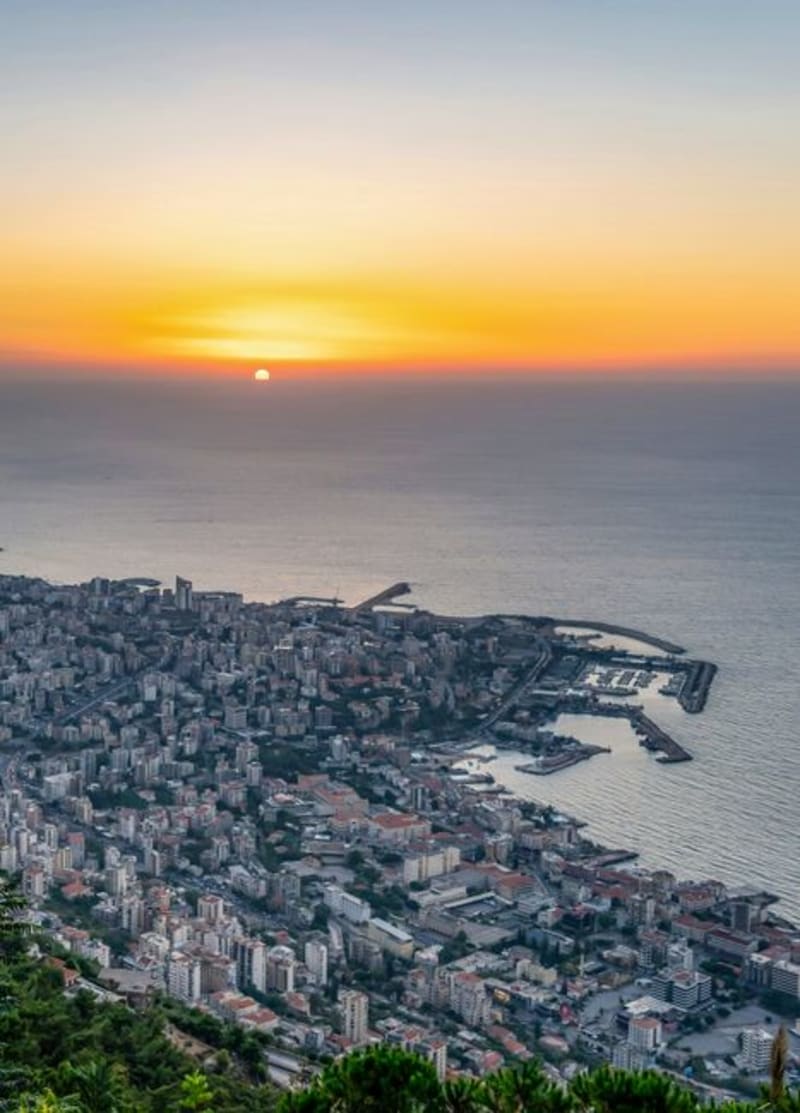 lebanon
 Jounieh
A neon-lit bay town where a cable car climbs past casinos and nightclubs to a white statue of the Virgin Mary presiding calmly over all of it.
Explore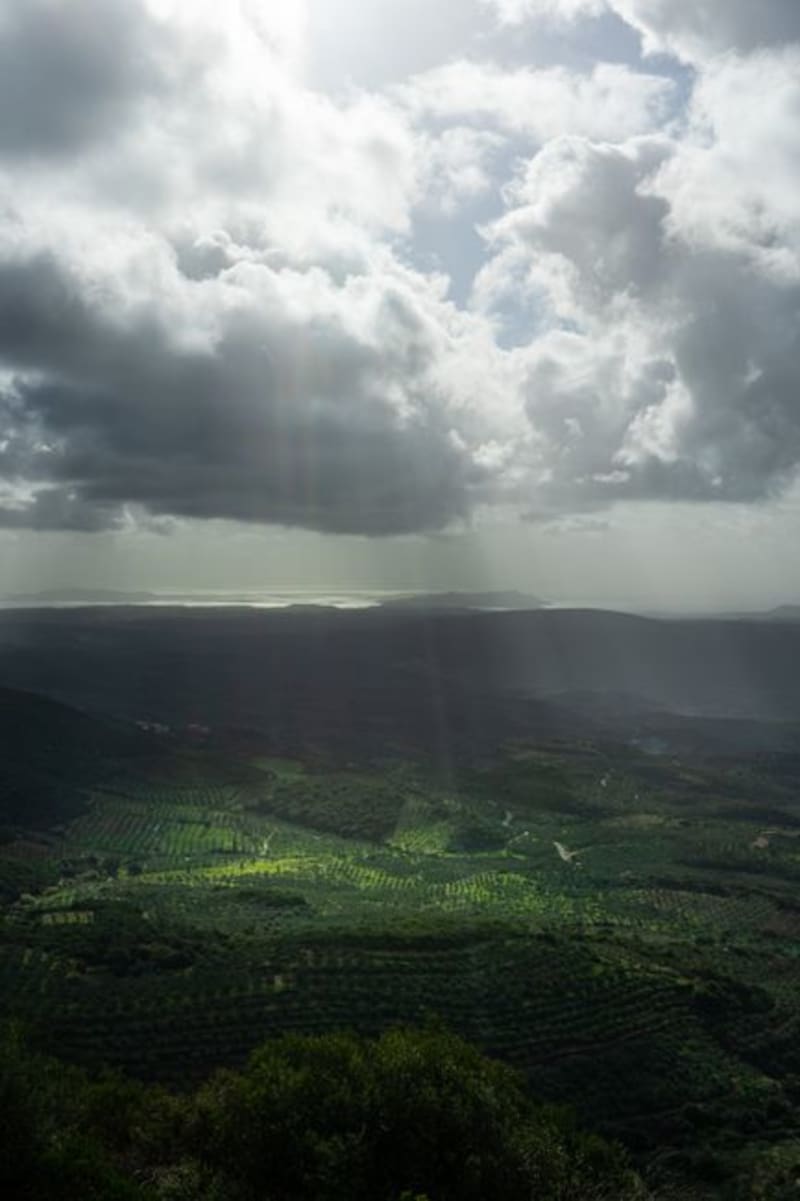 lebanon
 Qadisha Valley
A gorge so deep that hermit monks carved chapels straight into its cliff faces, and a trail that keeps every promise its name implies.
Explore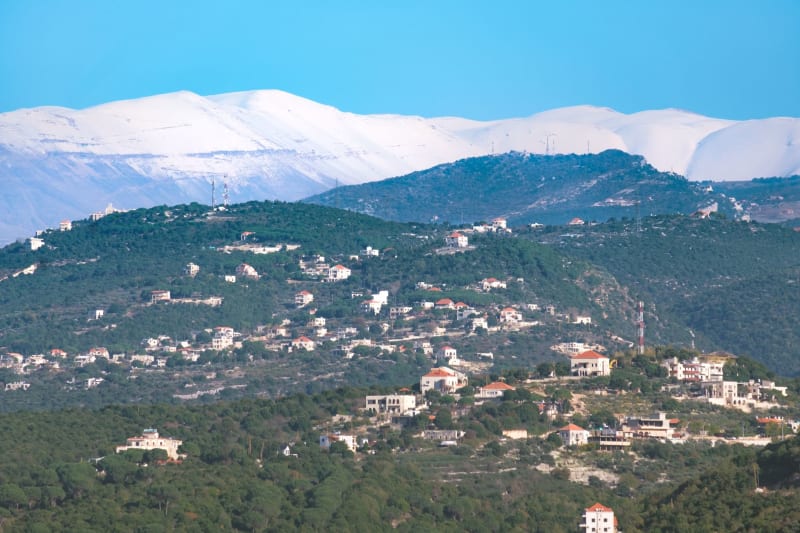 lebanon
 Shouf Biosphere Reserve
The largest nature reserve in Lebanon, holding ancient cedar groves, Druze mountain villages, and an Ottoman palace of bewildering opulence.
Explore