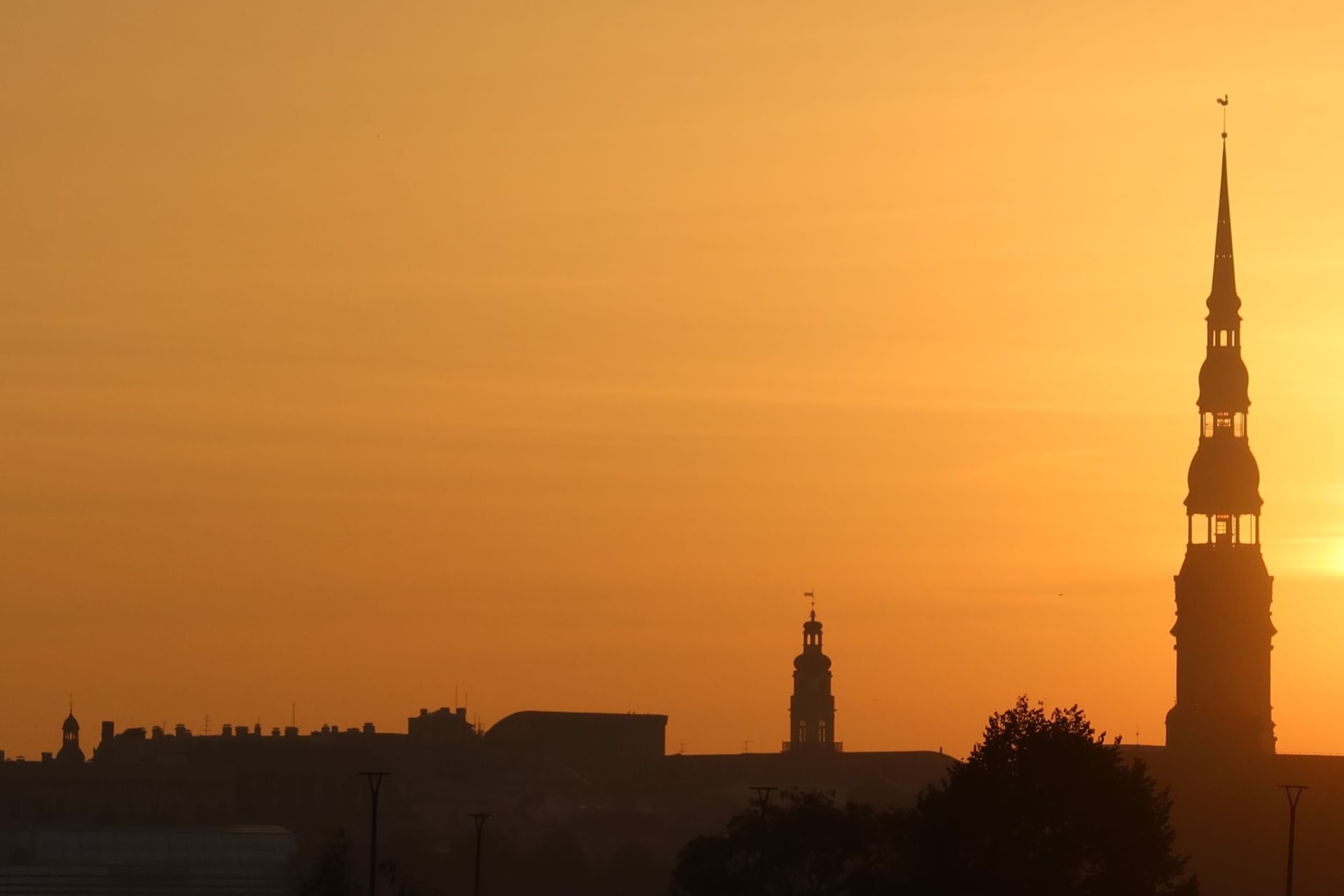
Liepāja
"They say the wind was born in Liepāja, and after two days there I have no reason to argue."
I arrived in Liepāja by bus from Riga, a three-hour journey through flat Kurzeme farmland where the road runs straight for such long distances that the horizon becomes a kind of meditation. Walking from the bus station to my guesthouse through streets that felt both post-Soviet and genuinely alive — murals on old factory walls, a craft coffee shop in a brick archway, teenagers skateboarding in a square whose Soviet-era monument had been repurposed as a bench — I felt the wind immediately. It comes off the Baltic with a particular determination, bending the pines along the beach promenade and making the metal signs outside shops ring against their posts. The locals walk into it without leaning, which tells you everything about adaptation.
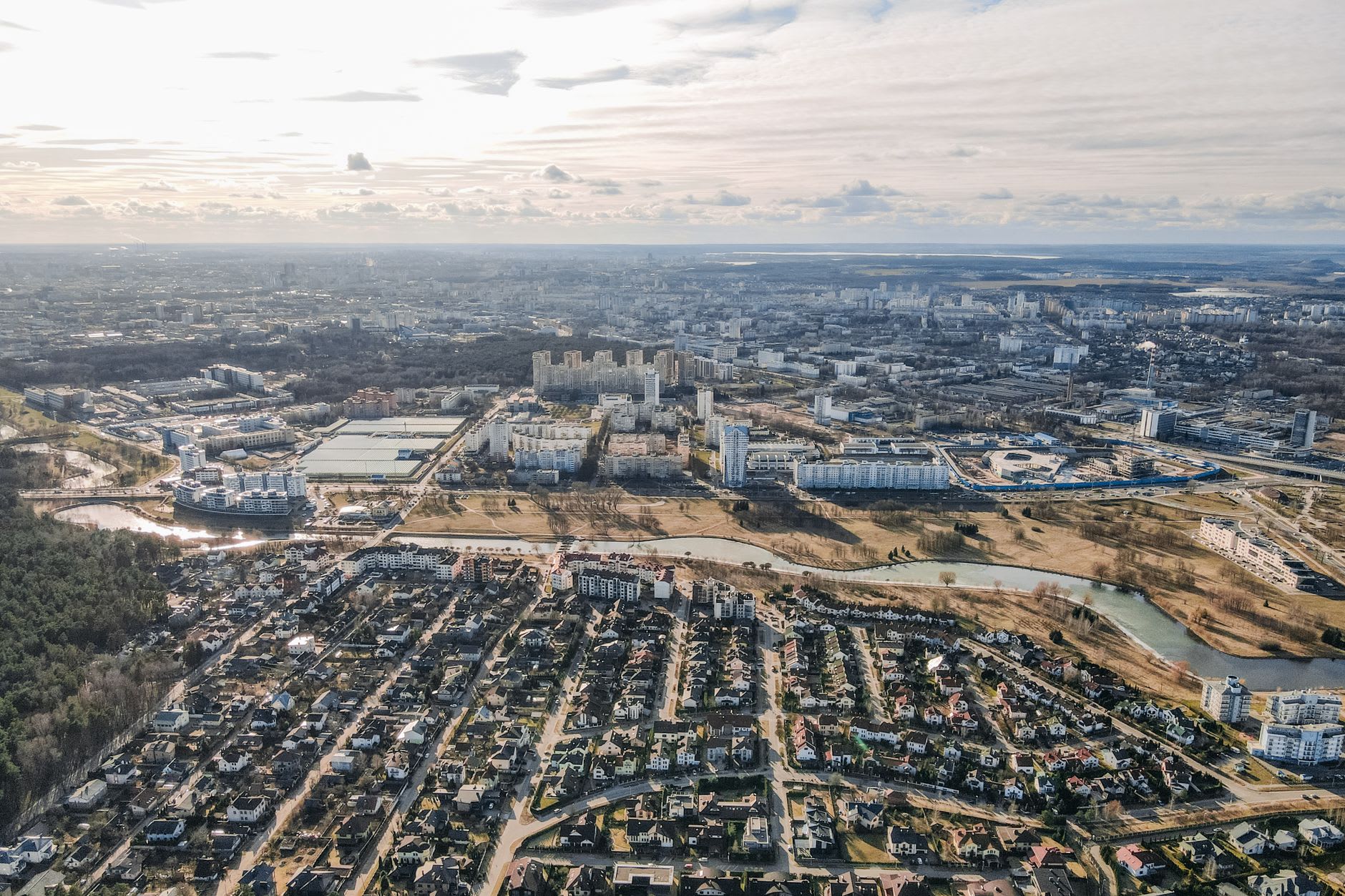
Liepāja’s reputation in Latvia rests partly on its music scene — the city has produced a disproportionate number of Latvian rock musicians and hosts the annual Liepāja Summer Sound festival, which turns the beachfront into an outdoor stage for the Baltic region’s most interesting acts. But the neighborhood that stopped me entirely was Karosta, the former Russian imperial and Soviet military port district on the northern edge of the city. It is one of the most extraordinary urban spaces I have encountered in Europe: a self-contained town built from the 1890s onward to house the imperial Russian naval garrison, with Orthodox churches, officer housing, vast dockyard infrastructure, and the bones of a military society that was sealed off from the city proper until Latvian independence. The streets are wide and cracked and the former barracks buildings sit in various states of reclamation, abandonment, and awkward conversion. It is beautiful in the way that things are beautiful when they are genuinely themselves, with no attempt to be anything else.
The Naval Cathedral of St. Nicholas at Karosta’s center is the landmark that announces the district before you arrive: its blue dome and white towers rise above the surrounding housing blocks with the displaced grandeur of a structure that was built for St. Petersburg and ended up here by bureaucratic assignment. The cathedral was used as a cinema and a military storage facility during the Soviet period and has been partially restored to its ecclesiastical function, but the interior still carries the weight of its multiple lives.

The Liepāja beach is one of the great underrated Baltic beaches — a wide, pale-sand crescent that stretches north from the city center to Karosta and beyond, backed by dunes and a pine forest whose resinous smell mixes with the salt air into something specific to this coastline and no other. On the morning I walked it there were surfers — the Baltic generates real waves here — and a group of Latvian women in their sixties doing an organized stretching routine in the sand with the seriousness of a training program. The water was cold enough that I did not go in, but I sat on the beach for an hour and ate a smoked herring bought from a stall near the parking area, wrapped in newspaper and still warm from the smoker, and it was one of those meals that works exclusively in the specific context of where it was eaten.
When to go: June through August for the beach and the music festivals, when Liepāja is at its most alive and the Baltic wind is warm enough to make the waves inviting. May gives beautiful spring light on the Art Nouveau streets of the city center with almost no visitors. Karosta can be visited any time — its atmosphere is actually heightened by grey autumn weather.