
Vieng Xai Caves
"I stood in a cave that used to be a hospital, and I understood why Lia went quiet for the rest of the day."
A hidden wartime city carved into limestone cliffs near the Vietnamese border, where 20,000 people once lived underground.

We almost skipped Vieng Xai. It’s a long, winding drive northeast from Sam Neua, deep into Houaphanh province, and by the time our songthaew rattled into town I was ready to just find a guesthouse and call it a day. But the guide at the visitor center handed us an audio device, pointed at a wall of green limestone karsts rising out of the rice paddies, and said something like “that’s where the president lived” — and I forgot about being tired pretty fast.
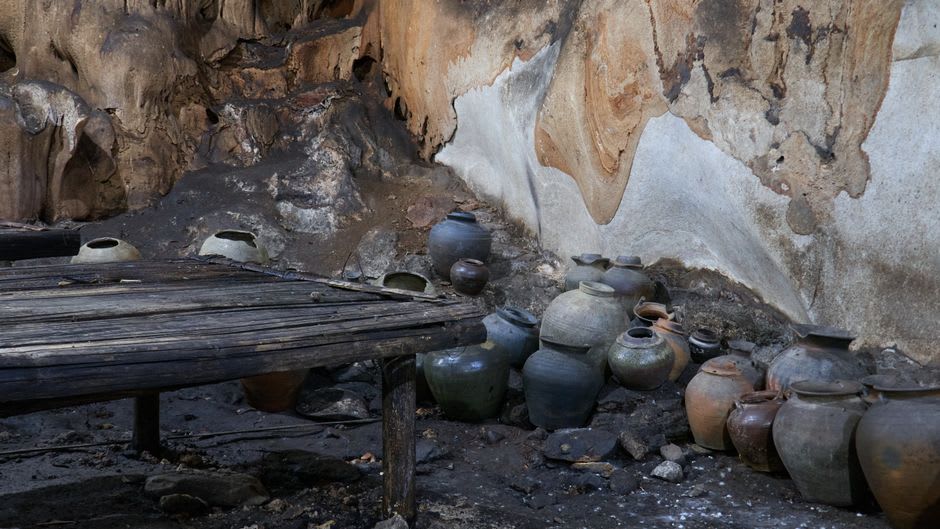
What gets you about Vieng Xai isn’t just that people hid in these caves during the bombing between 1964 and 1973. It’s that they built an entire functioning city inside the rock — up to 20,000 people at the peak, with hospitals, schools, a theater, even a printing press, all tucked behind camouflaged entrances so American planes flying overhead would see nothing but jungle and cliff face. Walking the paved paths between caves, headset narrating in our ears, Lia kept stopping to point out things I’d have walked right past: a shower stall chipped into rock, a ventilation shaft someone had engineered with nothing but hand tools and necessity.
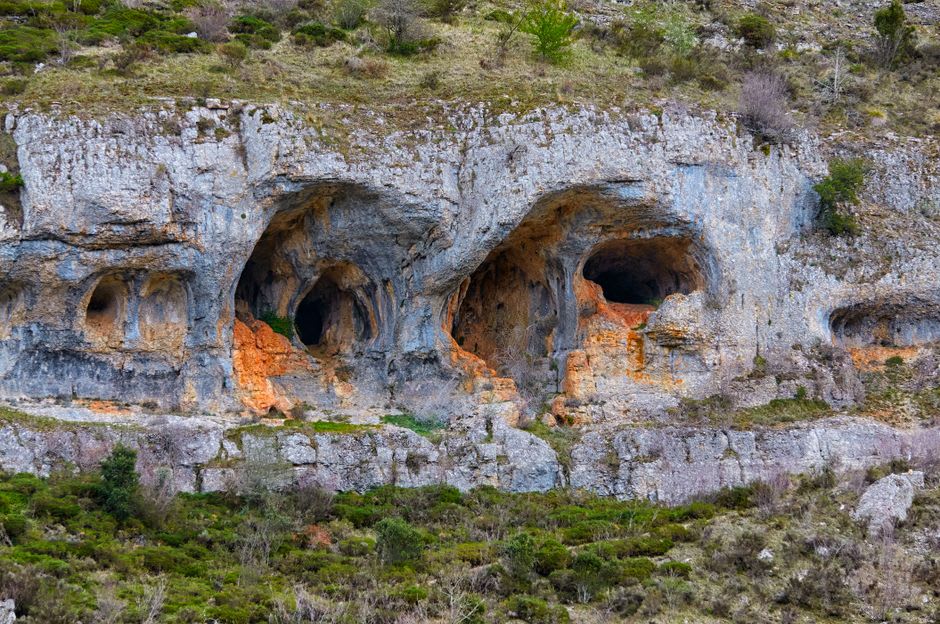
The centerpiece of the guided circuit is Kaysone Phomvihane’s cave — the man who’d go on to become Laos’s first president led the Pathet Lao from here for the better part of a decade. His personal quarters are preserved almost exactly as they were, including a natural chamber built to withstand a direct hit, which our guide walked us through matter-of-factly, like it was just another room. I remember standing at the mouth of it, looking out at the same view Kaysone must have looked at hundreds of times, and feeling the years compress in a way that no museum plaque back in Vientiane had managed.
We ended up staying two nights instead of the one we’d planned, mostly so we could sit by the little lake near the caves in the early evening and just not talk for a while. It’s not a place that needs commentary. Lia said afterward that it was the first time in Laos she’d actually felt the war, rather than just read about it, and I think that’s exactly right.
When to go: Aim for November to March — the dry season keeps the cave paths solid underfoot and the surrounding karst scenery at its greenest and clearest.
Keep exploring
More from Laos
 laos
Vientiane
The world's most laid-back capital, where the golden stupa glows at dusk and the Mekong goes orange.
Explore laos
Bolaven Plateau
A cool volcanic highland of waterfalls and coffee farms in southern Laos, where French planters once chased the same altitude I did.
Explore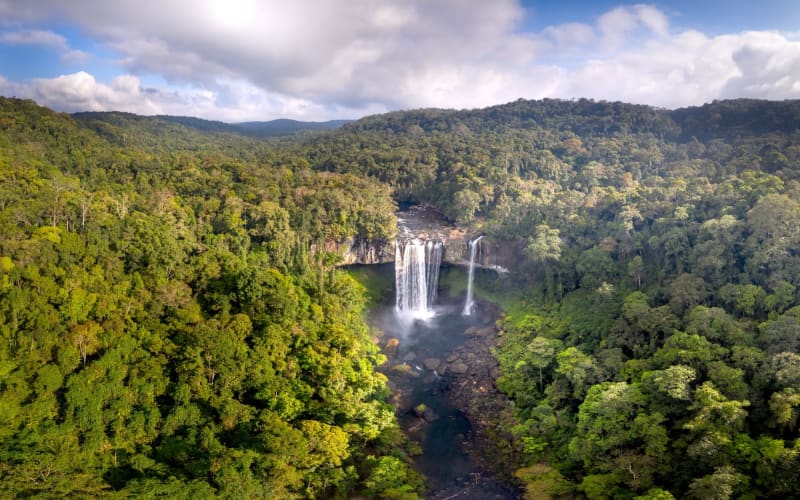 laos
Champasak
A pre-Angkor Khmer mountain temple overlooking the Mekong delta, older and quieter than Angkor Wat.
Explore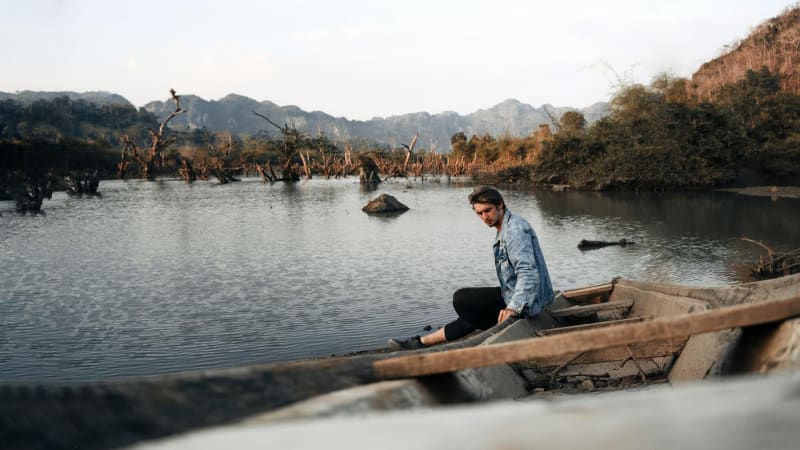 laos
Don Det
Hammocks strung between palm trees over the Mekong, where rare Irrawaddy dolphins still appear.
Explore laos
Kong Lor
A seven-kilometer river cave in Khammouane's karst country where local boatmen cut the engine and the darkness becomes something you can almost hold.
Explore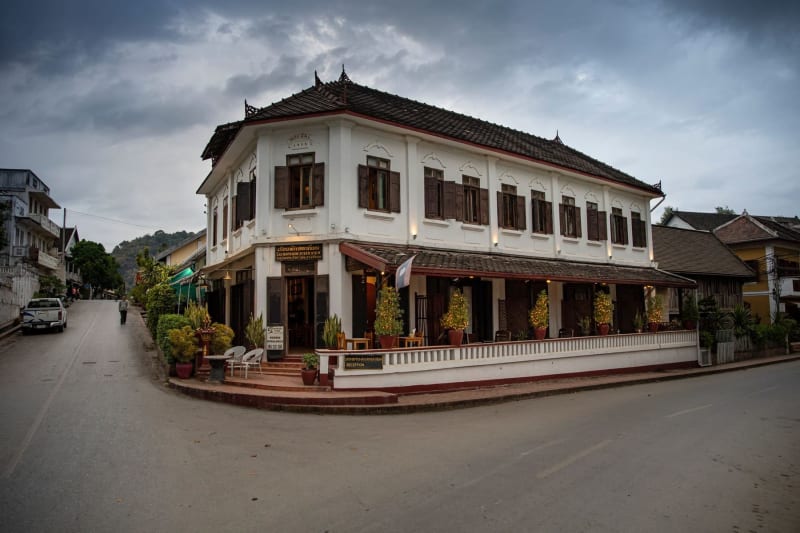 laos
Luang Namtha
Northern Laos trekking hub through Nam Ha forest reserve with Akha and Lanten minority villages.
Explore