Anapia Island
"Anapia asked nothing of me — no hiking, no ruins, no itinerary. Just a lake and a family and a breakfast that tasted like altitude."
I found Anapia the way you find the best things in the altiplano: by asking someone who wasn’t in the tourism business. A truck driver in Guaqui, a Bolivian border town on the lake’s southern arm, mentioned it when I asked where the people around here actually went on weekends. He described it without enthusiasm, which was itself a recommendation. The island, he said, was quiet. There was a community association that did homestays. The fishing was decent and the views of the mountains were good. He shrugged as if none of this was especially remarkable.
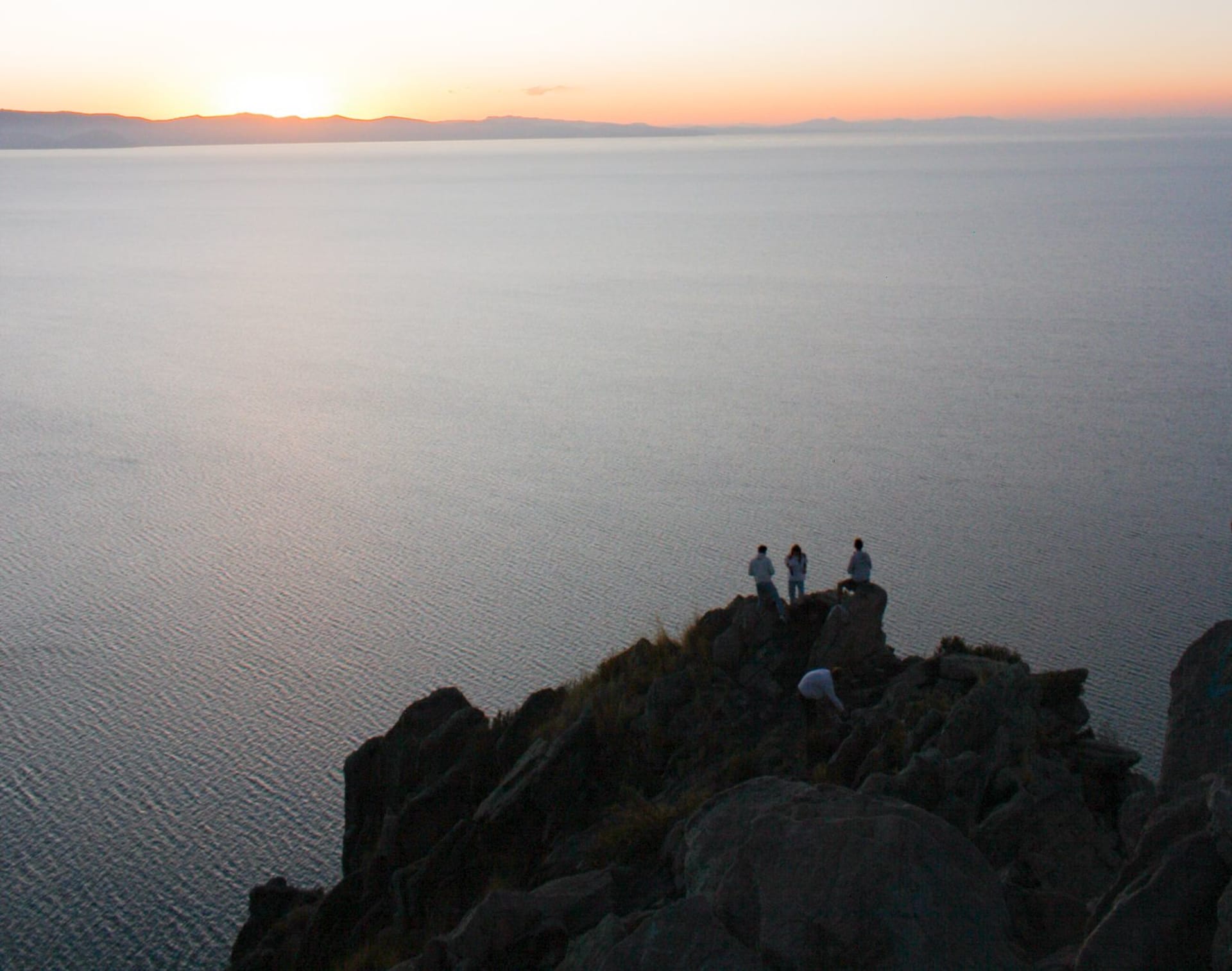
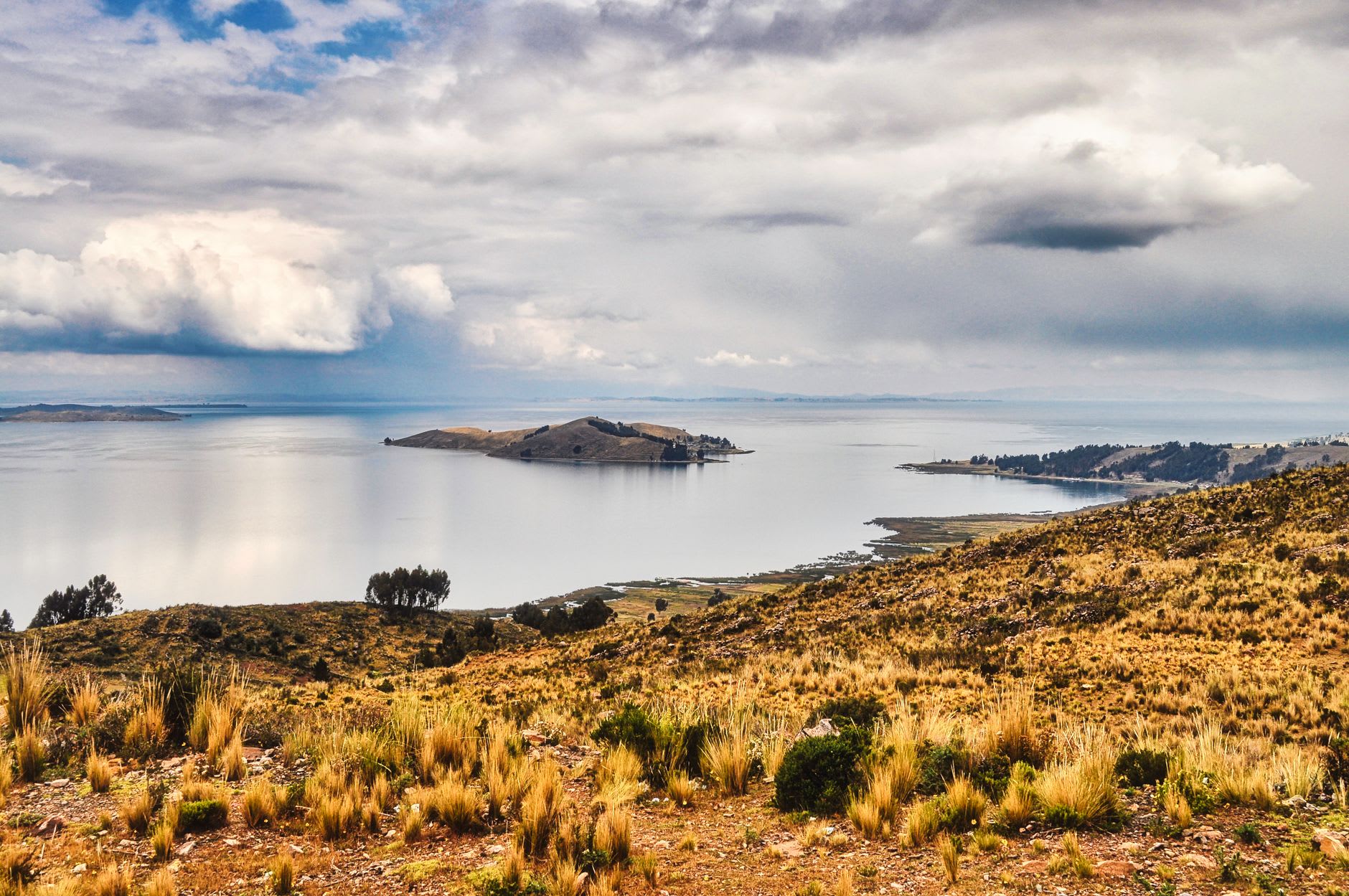
Anapia sits in the Lago Wiñaymarca, the southern arm of Lake Titicaca that lies entirely within Bolivia and is separated from the main lake by the narrow Strait of Tiquina. The water here is calmer than in the larger basin — a flatter, more intimate expanse — and the scale is different. The Cordillera Real, the eastern range of the Bolivian Andes, fills the eastern horizon in a way that registers as almost theatrical: a continuous wall of snow-covered peaks, including Illimani and Huayna Potosí, reflected in water that on the right morning is as still as glass. I arrived by small motor launch from the town of Puerto Pérez and was the only passenger.
The island has a population of around a hundred and fifty families, most of them descendants of Aymara communities who have farmed and fished here for generations. The community tourism programme, organised locally and with almost no external marketing, pairs visitors with host families in a rotation system similar to Amantaní across the lake in Peru. I stayed with a couple — Doña Rosa and her husband Eulalio — whose house was adobe with a courtyard garden that grew quinoa, potatoes, and an herb whose smell I recognised but couldn’t name. Doña Rosa made me breakfast: eggs from their own chickens, broad beans from the garden, quinoa broth, and bread she’d baked that morning. I ate everything twice.
The island has no vehicles, no hotels, no structured attractions. What it has is the lake at every turn, totora reed beds at the shallow edges where coots nest and small herons stand without moving, and a path around the perimeter that takes an unhurried two hours. On the western shore, the view opens past the island’s edge to the open lake beyond, and the light in the late afternoon hits the reed beds in a way that turns them copper against the blue. I sat on a stone wall watching this happen until Eulalio came to call me for dinner and I realised I’d been there an hour.
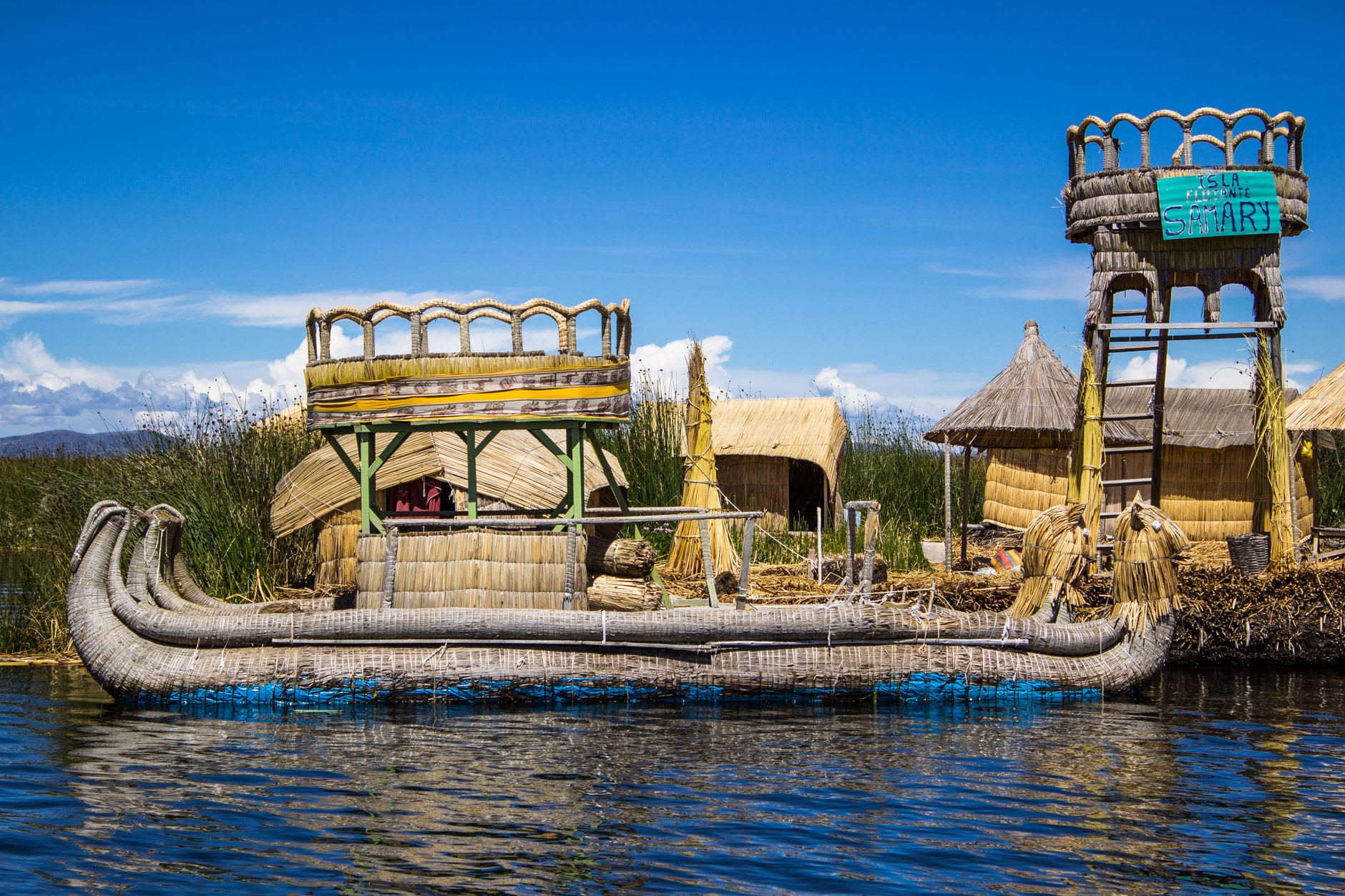
What makes Anapia distinct is the absence of a script. On Taquile and Uros, the tourism has a shape — a narrative that visitors move through. On Anapia, there is no narrative. You arrive, a family feeds you, you walk, you watch the mountains, you sleep in a room with blankets that smell of woodsmoke, you eat again. The lack of structure is the experience. It is more demanding than it sounds, because you have to supply your own attention and your own pace. But the rewards of doing so — the specific quality of light on this specific part of the lake, the particular silence of an island where the loudest sound is usually a duck — are not available anywhere else.
When to go: May through October for the dry season and the best views of the Cordillera Real. The island is accessible from Puerto Pérez on the Bolivian shore, reachable from La Paz in about two hours. The community tourism association can be contacted through the Guaqui or Copacabana tourism offices. Go mid-week in the shoulder months for the purest version of the experience — weekends bring a few more Bolivian domestic tourists, which is not a problem but changes the atmosphere slightly.