England's deepest lake, held between the Lake District's darkest and most dramatic screes — beautiful in a way that borders on severe.
I drove to Wastwater along the single-track road that runs the length of its northern shore, and it is one of those drives where you slow down not because of the road but because of what is happening outside the windscreen. The screes of Illgill Head fall almost vertically into the water on the far side, a nearly two-thousand-foot slope of loose grey rock that gives the lake its unmistakable, slightly forbidding character. There is no gentle version of Wastwater. It was voted Britain’s favourite view in a television poll some years back, and having stood at the northern end looking down its length towards the Scafell massif, I understand the vote even if “favourite” feels like an oddly cheerful word for something this stark.
Wastwater is England’s deepest lake, over seventy metres at its deepest point, and the water is cold enough year-round that swimming in it is an experience rather than a pleasure. I went in for about ninety seconds near the shingle beach at the northern end, mostly to say I had, and came out with a new appreciation for how thoroughly Lakeland water commits to being cold. Divers apparently use it to train because the depth and the near-freezing bottom layers resemble diving conditions found almost nowhere else in England — there is even a garden gnome installed on the lakebed as an underwater joke that has become a minor local legend.
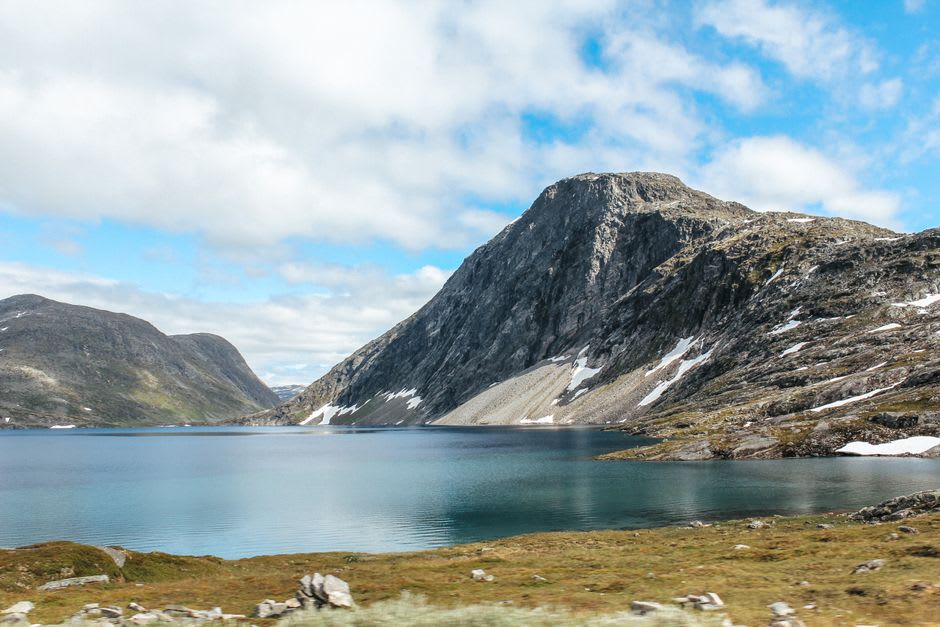
Wasdale Head, at the head of the lake, is where England’s mountaineering tradition more or less began — the valley sits below Scafell Pike, Great Gable and Kirk Fell, and the little church of St Olaf’s has a graveyard with headstones for climbers who died on those fells, some of them dating back well over a century. It is a sobering, quietly beautiful place, shaded by ancient yews, and it puts the grandeur of the surrounding mountains into a slightly different perspective.
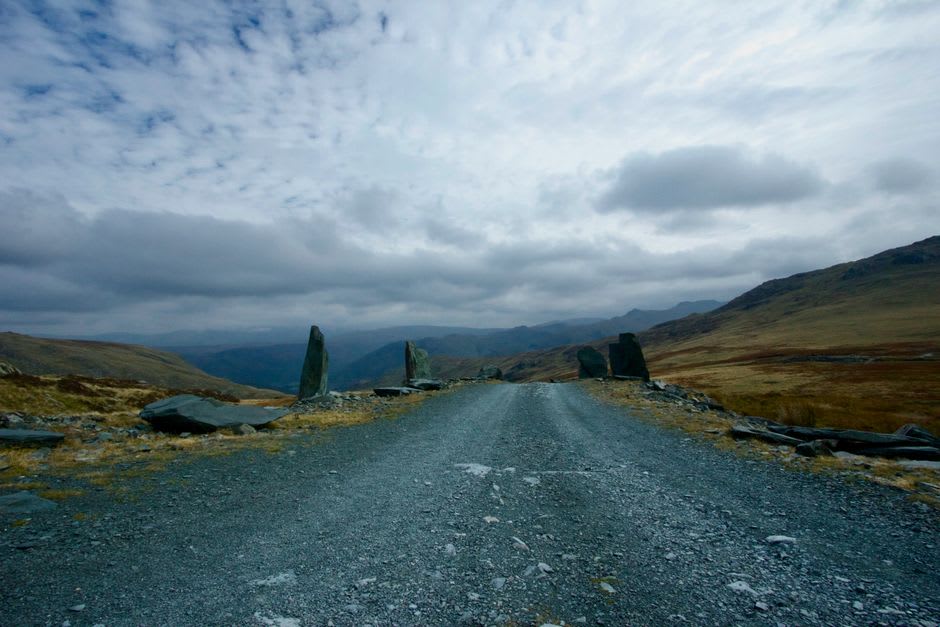
I ended the day at the Wasdale Head Inn with a pint and a view through the window of the fells going purple as the light dropped, which felt like the correct closing note for somewhere this uncompromising.
When to go: Late afternoon light does extraordinary things to the screes, turning them gold and then grey-purple within the space of an hour. Come prepared for genuinely remote, single-track roads with no fuel or shops nearby — Wastwater rewards planning ahead.
Keep exploring
More from Lake District
 lake-district-uk
 Windermere
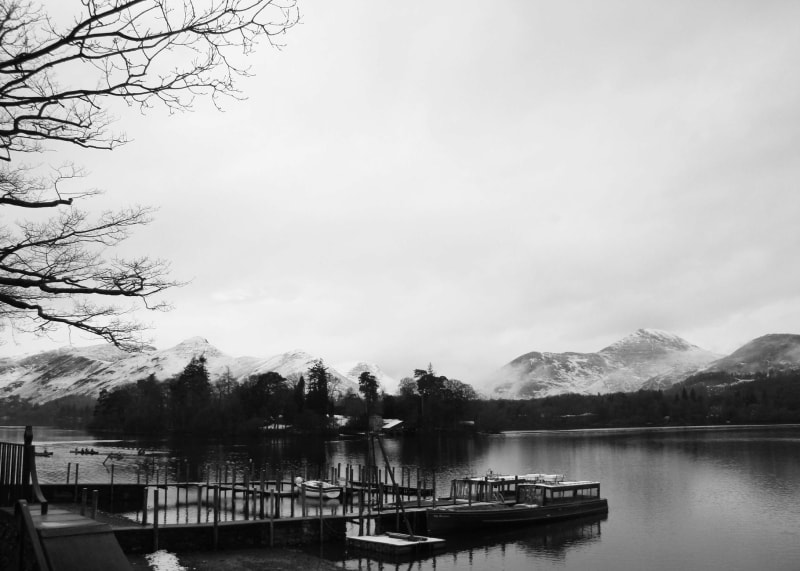
England's largest lake, where the water holds light like a mirror held up to the sky and the ferries cut silently through it all morning.
Explore lake-district-uk
 Aira Force
A sixty-five-foot waterfall dropping through a wooded ravine above Ullswater, crossed by two stone bridges built for exactly this view.
Explore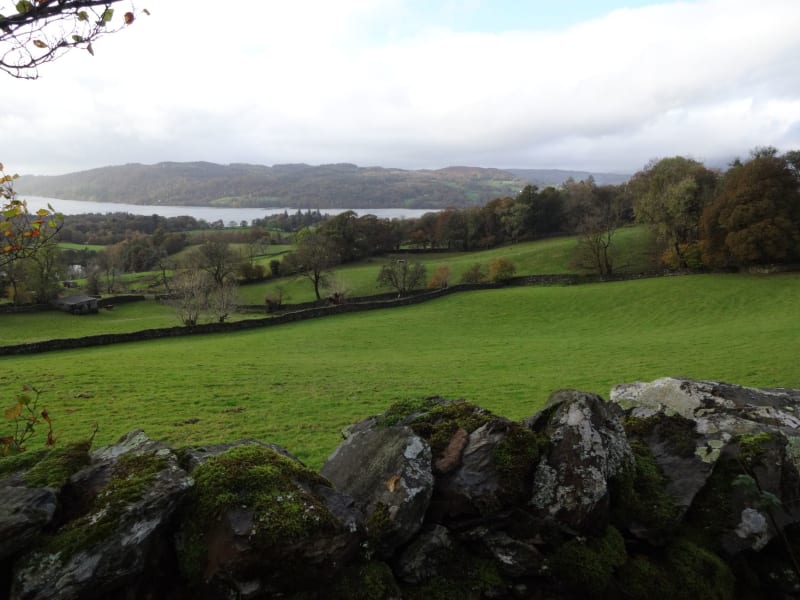 lake-district-uk
 Ambleside
The walking capital of England — a compact Victorian town where boots hang outside shop doors and everyone you meet is either going up a fell or just coming down one.
Explore lake-district-uk
 Borrowdale
The valley the guidebooks call the most beautiful in England, where ancient woodland clings to crags below the Scafell range and the River Derwent runs peat-dark.
Explore lake-district-uk
 Buttermere
A lake so perfectly proportioned that walking around it feels less like exercise and more like an act of quiet devotion.
Explore lake-district-uk
 Cartmel
A tiny priory village that somehow contains one of England's best restaurants and a sticky toffee pudding worth the detour alone.
Explore