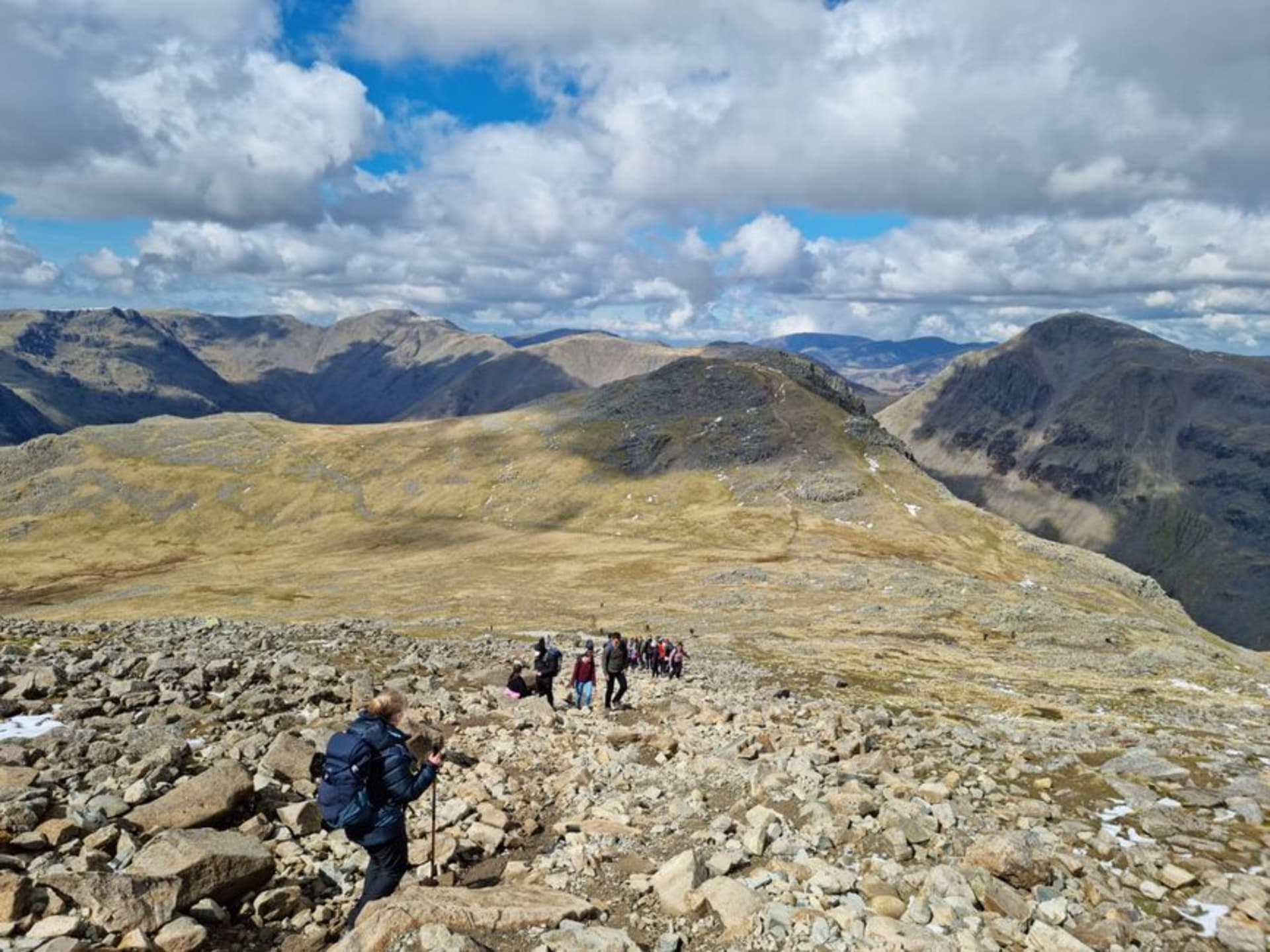
Scafell Pike
"At 978 metres the wind stops being weather and starts being an opinion."
England's highest ground — a bare, boulder-strewn summit that turns a country walk into something closer to mountaineering.
I climbed Scafell Pike from Wasdale Head, which everyone told me was the shortest and everyone also failed to mention was the steepest, and by the time I reached Lingmell Col I had revised my opinion of what “shortest” means in Cumbria. The path from Wasdale goes almost straight up Brown Tongue in a series of arguments with the scree, and I stopped more than once to remind myself that I had chosen this for fun. Then the ground levelled into the col, the wind hit properly for the first time, and Great Gable appeared across the valley looking like it had been carved specifically to make you feel small.
Scafell Pike is the highest point in England at 978 metres, and it does not pretend otherwise. The summit itself is a chaos of grey boulders with no vegetation at all, just a stone shelter and a trig point and, on the day I went, roughly forty other people who had all had the same idea and were now taking turns photographing each other by the cairn. Someone had brought a small Union Jack. Someone else, more sensibly, had brought a flask of tea and was sharing it with strangers. On a clear day you can supposedly see the Isle of Man, Scotland, Wales and Ireland from the top, which felt like an aggressive claim until the cloud actually broke for about four minutes and I could see three of the four.
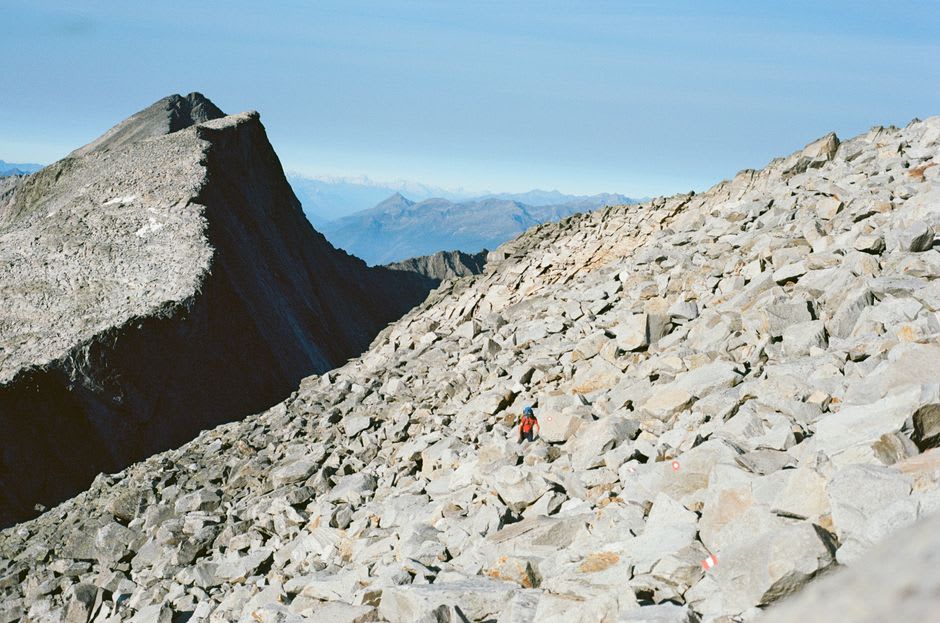
What nobody tells you properly is how quickly the weather changes up there. I left Wasdale in a t-shirt and had every layer I owned on by the col, and I watched a group turn back below the summit because visibility had dropped to a few metres and the wind was strong enough to be genuinely dangerous on the boulder field. Mountain rescue in this area deals with a steady stream of people who treated the Pike as a straightforward hill walk rather than the serious mountain terrain it actually is — no technical climbing required in summer, but real exposure, real navigation risk in mist, and rock underfoot the whole way that punishes inattention.
Coming down, my knees registered a formal complaint that lasted three days, and I understood why the pub at Wasdale Head — the Wasdale Head Inn, self-styled home of British mountaineering, with photographs of Victorian climbers on the walls in tweed and hobnail boots — does such steady business in the evenings. I ate a full plate of something enormous and did not feel a shred of guilt about it.
When to go: May to September for the most reliable conditions, ideally with an early start to beat cloud buildup and crowds. Check the Mountain Weather Information Service forecast specifically, not the general Cumbria forecast — conditions on the summit plateau can be wildly different from the valley floor.
Keep exploring
More from Lake District
 lake-district-uk
 Ullswater
The lake that curves through three valley bends so it never reveals itself all at once — this is where Wordsworth found his daffodils and walkers find Helvellyn's eastern face.
Explore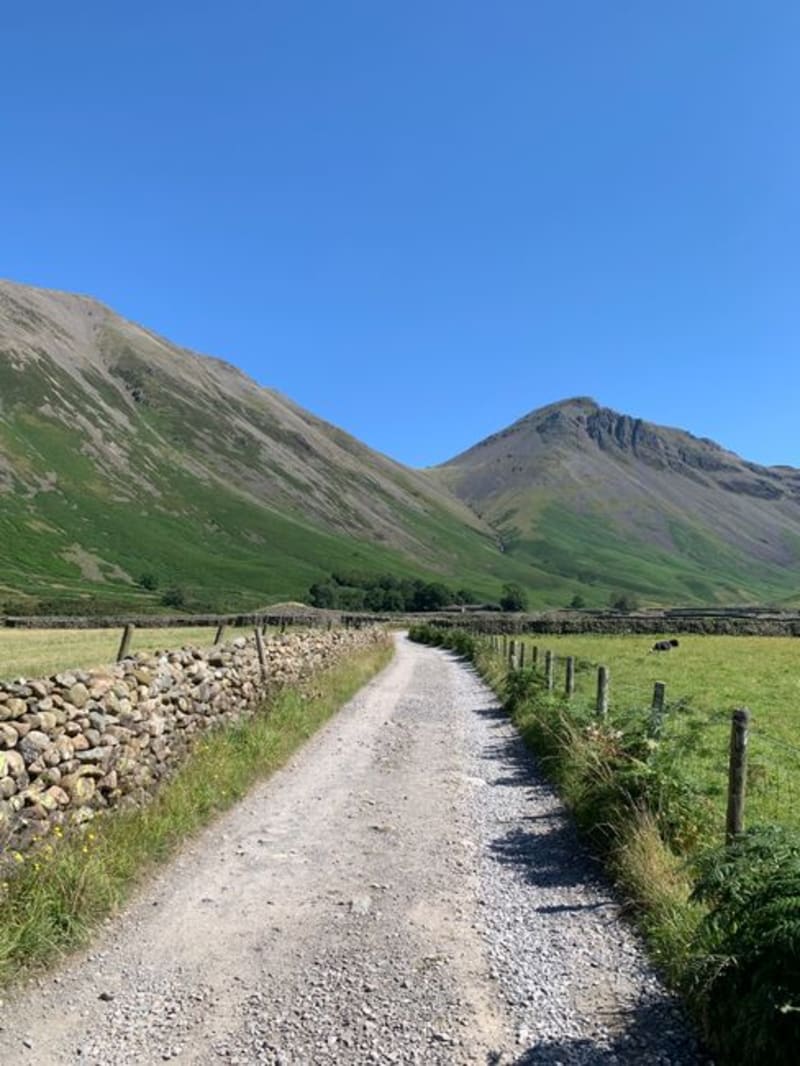 lake-district-uk
 Wastwater
England's deepest lake, held between the Lake District's darkest and most dramatic screes — beautiful in a way that borders on severe.
Explore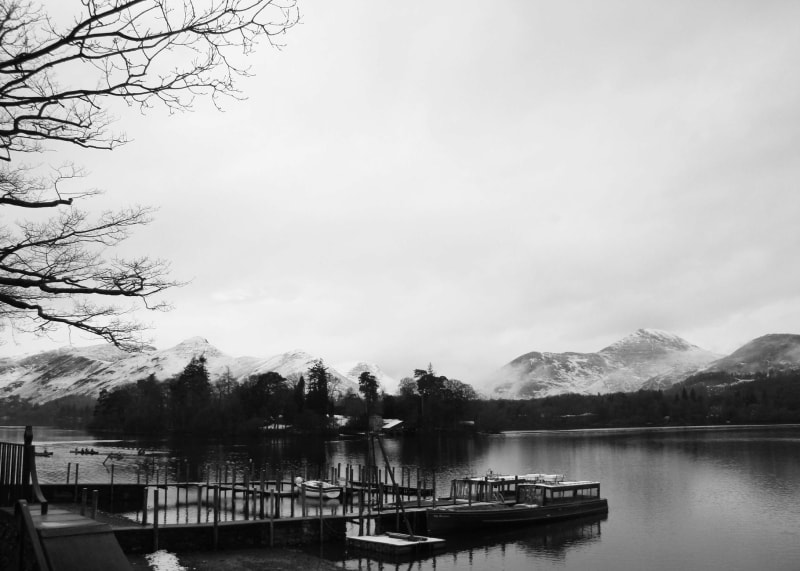 lake-district-uk
 Windermere
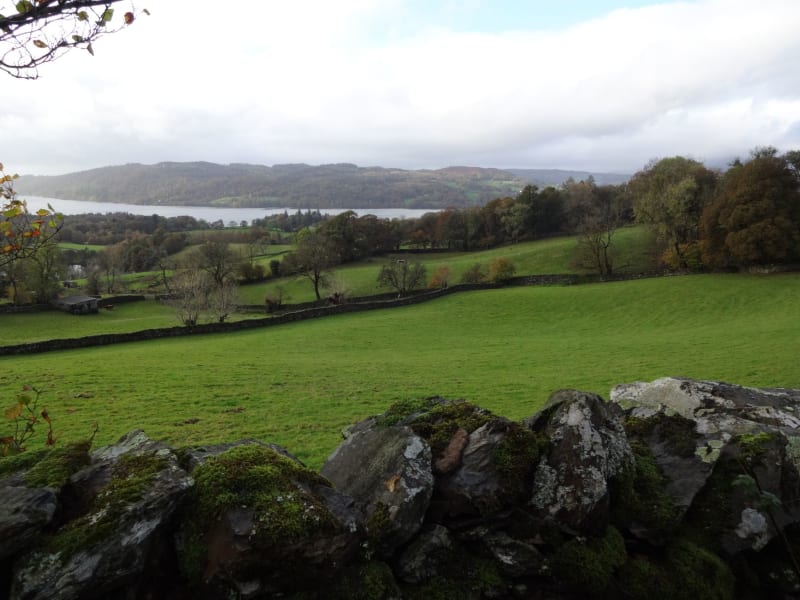
England's largest lake, where the water holds light like a mirror held up to the sky and the ferries cut silently through it all morning.
Explore lake-district-uk
 Aira Force
A sixty-five-foot waterfall dropping through a wooded ravine above Ullswater, crossed by two stone bridges built for exactly this view.
Explore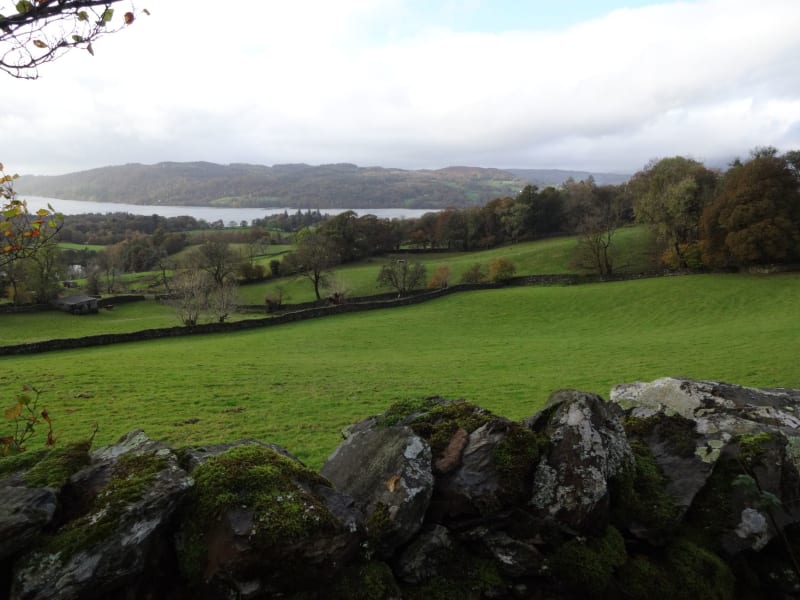 lake-district-uk
 Ambleside
The walking capital of England — a compact Victorian town where boots hang outside shop doors and everyone you meet is either going up a fell or just coming down one.
Explore lake-district-uk
 Borrowdale
The valley the guidebooks call the most beautiful in England, where ancient woodland clings to crags below the Scafell range and the River Derwent runs peat-dark.
Explore