A lake so perfectly proportioned that walking around it feels less like exercise and more like an act of quiet devotion.
The walk around Buttermere takes about two hours if you dawdle properly, which is the only correct way to do it, and I say this having done it twice in one visit because the light changed so much between morning and evening that it felt like a different lake both times. The path is flat, well maintained, entirely without drama in terms of difficulty, and that is exactly its appeal — you can spend the whole walk looking up at Fleetwith Pike and High Stile instead of down at your feet, which is not something the Lake District often allows you to do.
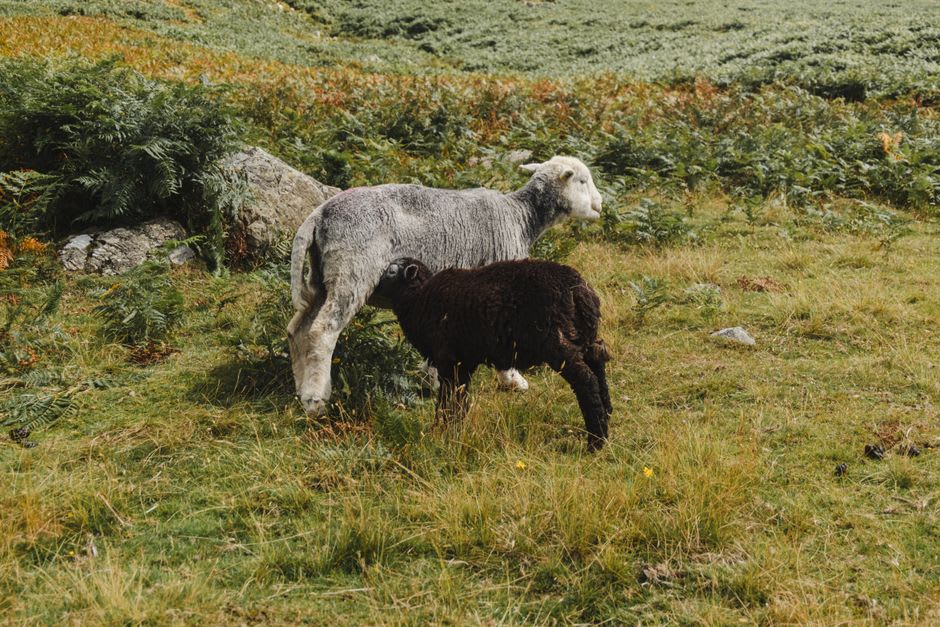
Buttermere the village is barely a village at all — a church, a couple of farms turned guesthouses, and the Fish Hotel, which has been putting up walkers since the nineteenth century and has a bar that fills with wet boots and wetter dogs by four in the afternoon. I stayed one night at a farmhouse just outside the village and was woken at six by a Herdwick sheep standing directly outside my window making a noise I can only describe as personally offended. The farmer told me this happens every morning and that the sheep in question considers the window ledge her property.
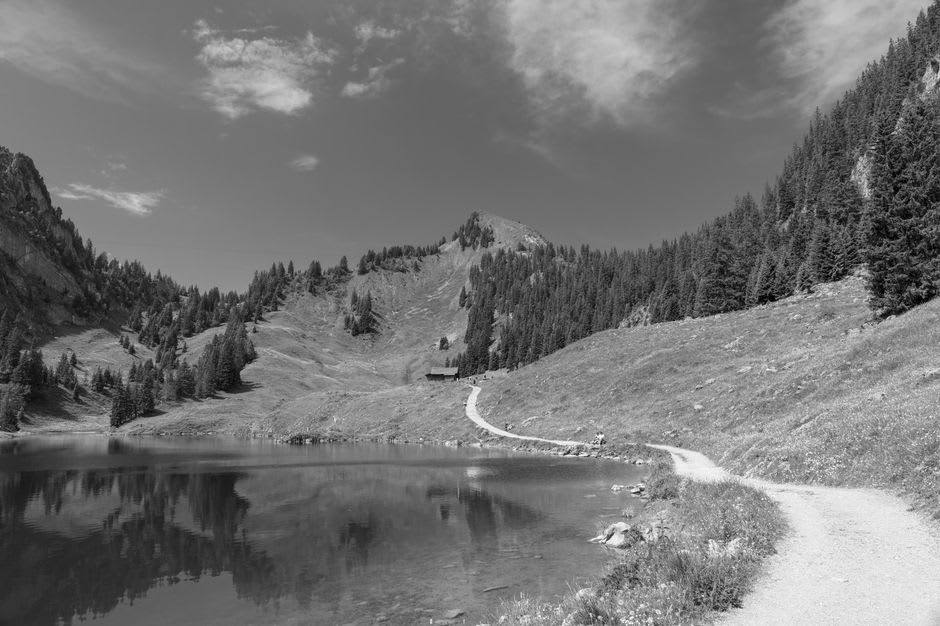
What makes Buttermere genuinely special is the geography around it — the lake sits in a valley with Crummock Water just over the low rise to the north and the Honister Pass climbing steeply to the south, so within a few miles you get three completely different characters of Lakeland scenery. Haystacks, the fell above the lake’s southern shore, is where Alfred Wainwright asked for his ashes to be scattered, and there is something quietly moving about standing on that unassuming summit knowing that the man who mapped every fell in this district chose this particular spot, among all the grander peaks he could have picked, as the place he wanted to stay.
I ate the best scone of my entire trip at the Syke Farm tea room by the car park — clotted cream from their own herd, a jam that tasted like it had opinions about which berries belonged in it. I sat outside with it and watched cloud shadow move across Fleetwith Pike for a solid twenty minutes without doing anything else at all. This is, I think, the correct use of Buttermere.
When to go: Early morning or early evening for the light on the water and thinner crowds — Buttermere is popular and the small car park fills fast by mid-morning in summer. Autumn gives the best reflections, when the wind tends to drop and the fells turn bronze.
Keep exploring
More from Lake District
 lake-district-uk
 Cartmel
A tiny priory village that somehow contains one of England's best restaurants and a sticky toffee pudding worth the detour alone.
Explore lake-district-uk
 Cockermouth
Wordsworth's actual birthplace, a Georgian market town on two rivers, quietly overlooked by everyone racing toward the bigger lakes.
Explore lake-district-uk
 Coniston Water
The quieter lake — five miles of dark water beneath the Old Man of Coniston, where Arthur Ransome sailed and Donald Campbell died trying to break a record.
Explore lake-district-uk
 Elterwater
A hamlet the size of a postage stamp, wrapped around a village green and a shallow lake full of swans, in the shadow of the Langdale Pikes.
Explore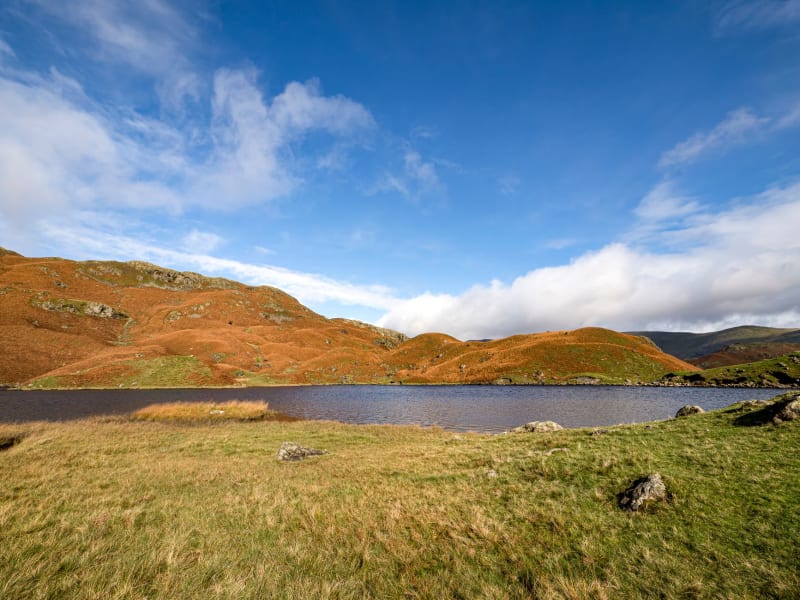 lake-district-uk
 Grasmere
Wordsworth's village, where the gingerbread shop has been baking the same recipe since 1854 and the fells come down almost to the churchyard wall.
Explore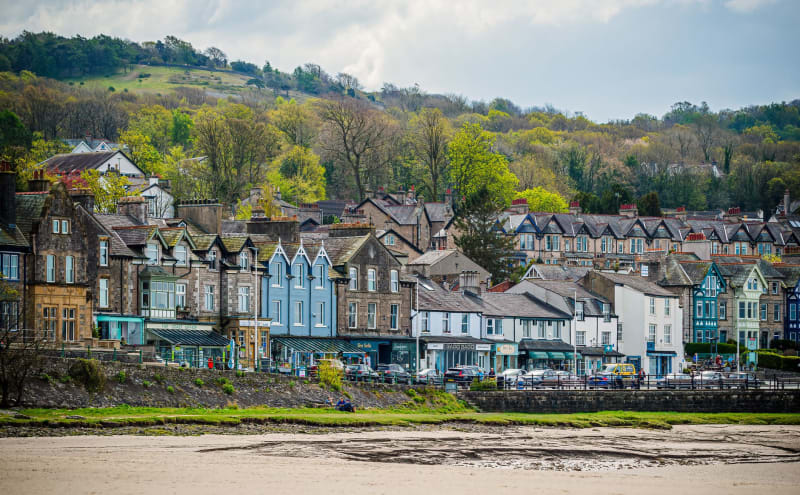 lake-district-uk
 Hawkshead
A medieval village so perfectly preserved it looks like a film set — whitewashed alleys, a grammar school where Wordsworth sat, and Beatrix Potter's working farmhouse a mile away.
Explore