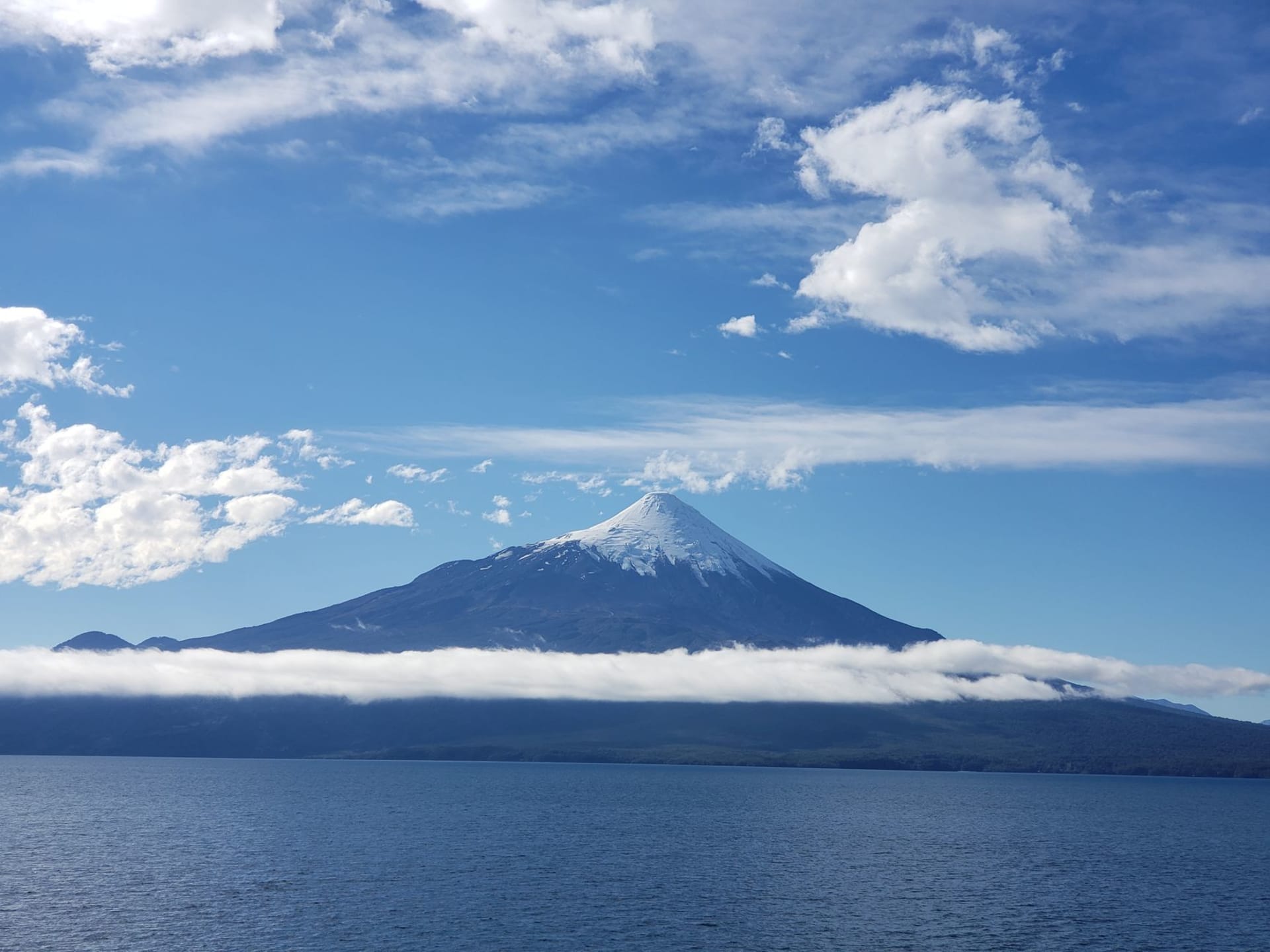
Puerto Varas
"I kept trying to have conversations in Puerto Varas and kept losing the thread because Osorno was right there."
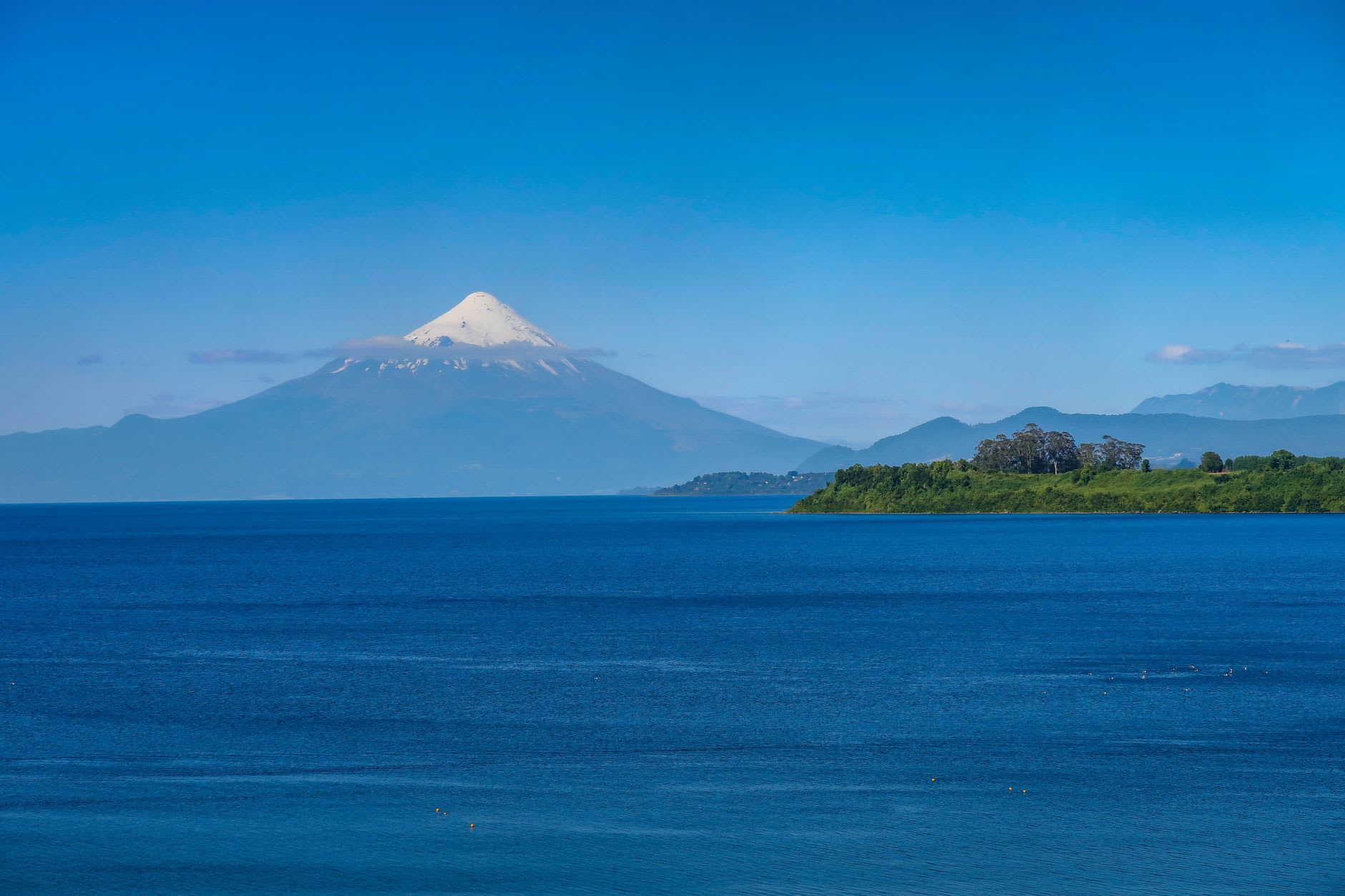
I arrived by overnight bus from Santiago and stepped off into cold morning air smelling of lake water and woodsmoke. It was November, barely light, and the first thing I saw clearly was Osorno: that near-perfect snow cone floating above Lago Llanquihue as if someone had placed it there for compositional effect. I had been told about Puerto Varas, had seen photos, had read the guidebook entry. None of it prepared me for the specific violence of that first glance. I sat on the waterfront with a terrible gas-station coffee and watched the volcano change color for forty minutes before I thought about finding a hostel.
Puerto Varas wears its German heritage openly, and it earns the right to do so. The German settlers who arrived here in the 1850s didn’t just build houses — they built a particular relationship with landscape, with domesticity, with the idea of a small town that functions well. The wooden lakeside mansions along the waterfront, painted in ochres and greens, have a solidity about them that feels different from Spanish colonial architecture — more north European, more focused on the idea of home as shelter against weather. The Iglesia del Sagrado Corazón up on the hill was built by German Jesuits and looks as if it was lifted from Bavaria and set down in front of a volcano, which is essentially what happened.
The food in Puerto Varas is the thing that kept me here longer than I planned. Kuchen — the German-style fruit tarts sold in every café and panadería in town — should come with a warning. The apple ones, the berry ones, the ones with cream cheese and rhubarb: they are the kind of baked good that makes you revise your opinion of baked goods as a category. I ate lunch one afternoon at a place on Del Salvador that served a smoked salmon on dark rye bread with mustard and cornichons, which tasted impossibly Bavarian and was entirely, specifically here. The evening mercado has cazuela and freshwater crayfish from the lake, and the local craft beer scene has been quietly developing for a decade, producing lagers that match the climate perfectly.
What I did not expect was how well Puerto Varas works as a base for everything. The Petrohué rapids are forty minutes east. The ferry across Lago Todos los Santos departs from Petrohué and is one of the slow journeys I think about most when I think about this region. Osorno’s ski slopes are close enough for a day trip in winter. But honestly, on the afternoons when the lake is calm and the light turns amber and Osorno goes pink, going anywhere else feels like an error in judgment.
The town has a walking pace that I found myself surrendering to within hours of arriving. The malecón along the lakeshore fills up in the evenings with locals and a scattering of travelers, all of them, I noticed, oriented toward the same thing: the volcano, the lake, the quality of the fading light.
When to go: November through March is warm, clear, and long — evenings stretch past nine and the light on the lake is extraordinary. December and January bring the most tourists, though Puerto Varas absorbs them more gracefully than Pucón. April is genuinely special: the surrounding beech forests go gold and red, the crowds thin to almost nothing, and the air carries a clarity that the summer haze doesn’t quite achieve.