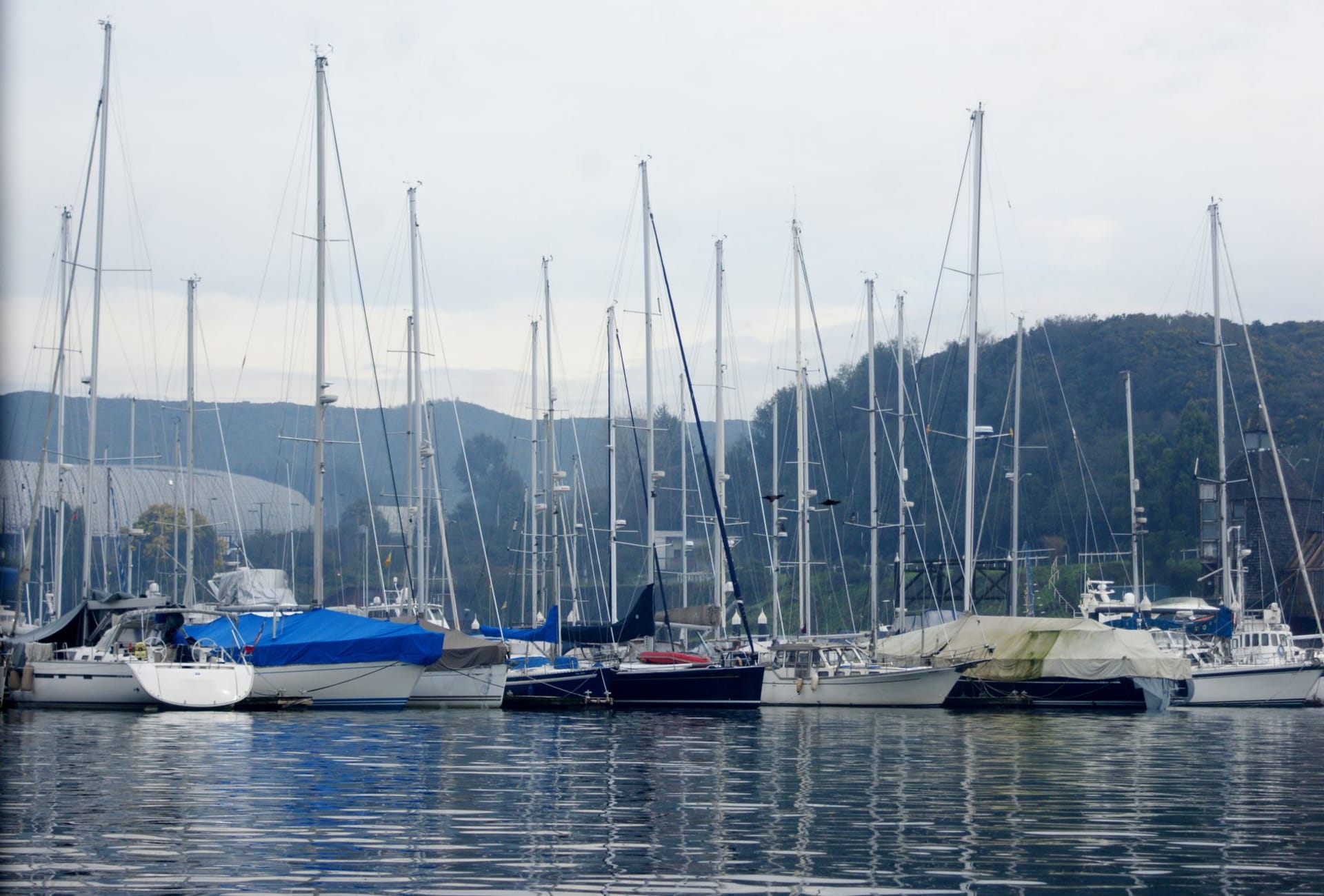
Puerto Montt
"Puerto Montt doesn't try to charm you. It just feeds you extremely well."
Puerto Montt is the end of the road in the most literal possible sense. The Pan-American Highway, which starts in Prudhoe Bay, Alaska, and runs the length of two continents, terminates here on the southern shore of the Seno de Reloncaví. South of here the continent requires boats. This gives the city an edge that purely touristic places do not have — it is a working port, a logistics hub, a place where things arrive and depart and where the people who facilitate those arrivals and departures have built a city around the business of moving between the mainland and the archipelagos beyond. It smells of engine oil and salt water and the sea bream they are grilling at nine in the morning at the market.
Angelmó is the market and the market is the reason to come. It occupies the waterfront west of the city center and it operates in two registers: upstairs are the artisan stalls selling Chiloé wool blankets, carved wooden figures, dried herbs, and the kind of practical crafts that come from islands where people make things because they need them rather than because they want to sell them; downstairs and along the dock are the seafood restaurants, a long row of open-fronted counters where the cooking is loud and the portions are aggressive. I ate curanto for the second time in my life here — the Chiloé stew of clams, mussels, smoked pork, potato milcao dumplings, and a broth that accumulates all of their flavors — and I ate it sitting three feet from a fishing boat that was unloading the morning’s catch. The clams in my bowl may have been on that boat two hours earlier. This is not a detail I am inventing for effect.
The wooden artisan stalls deserve more attention than they usually get from people who came for the seafood and are too full to walk upstairs afterward. The Chiloé wool work — heavy blankets, thick sweaters, woven bags in dark greens and browns and the particular rust-red that the local dyes produce — is functional in the way of things made for cold and wet rather than for display. I bought a sweater from a woman who told me it would last thirty years, and from the weight of it in my hands I believed her. The carved aleluya figures — wooden saints and devils from the island church tradition — are everywhere in the stalls, and the better ones have a roughness and directness that the polished versions do not.
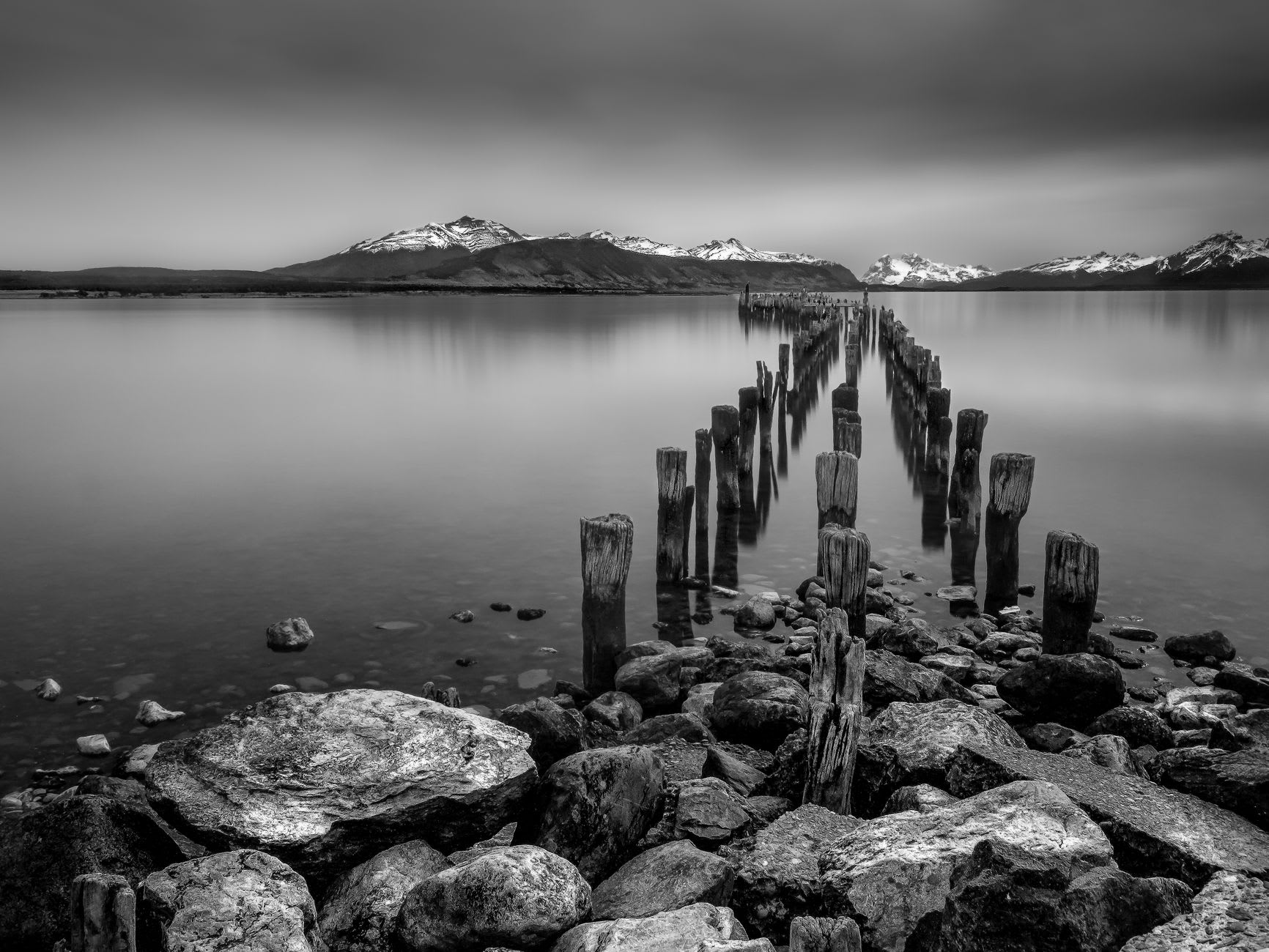
The harbor itself repays an hour of simply watching. Ferries to Chiloé depart from the terminal every couple of hours, and larger vessels bound for Puerto Natales and the deep Patagonian channels leave weekly. Watching a ship that size leave port — slowly, with its deep horn making the air physical — is a reminder that most of the world accessible from here is still accessible only by water, and that the sense of being at the edge of the known is not entirely a tourist feeling.
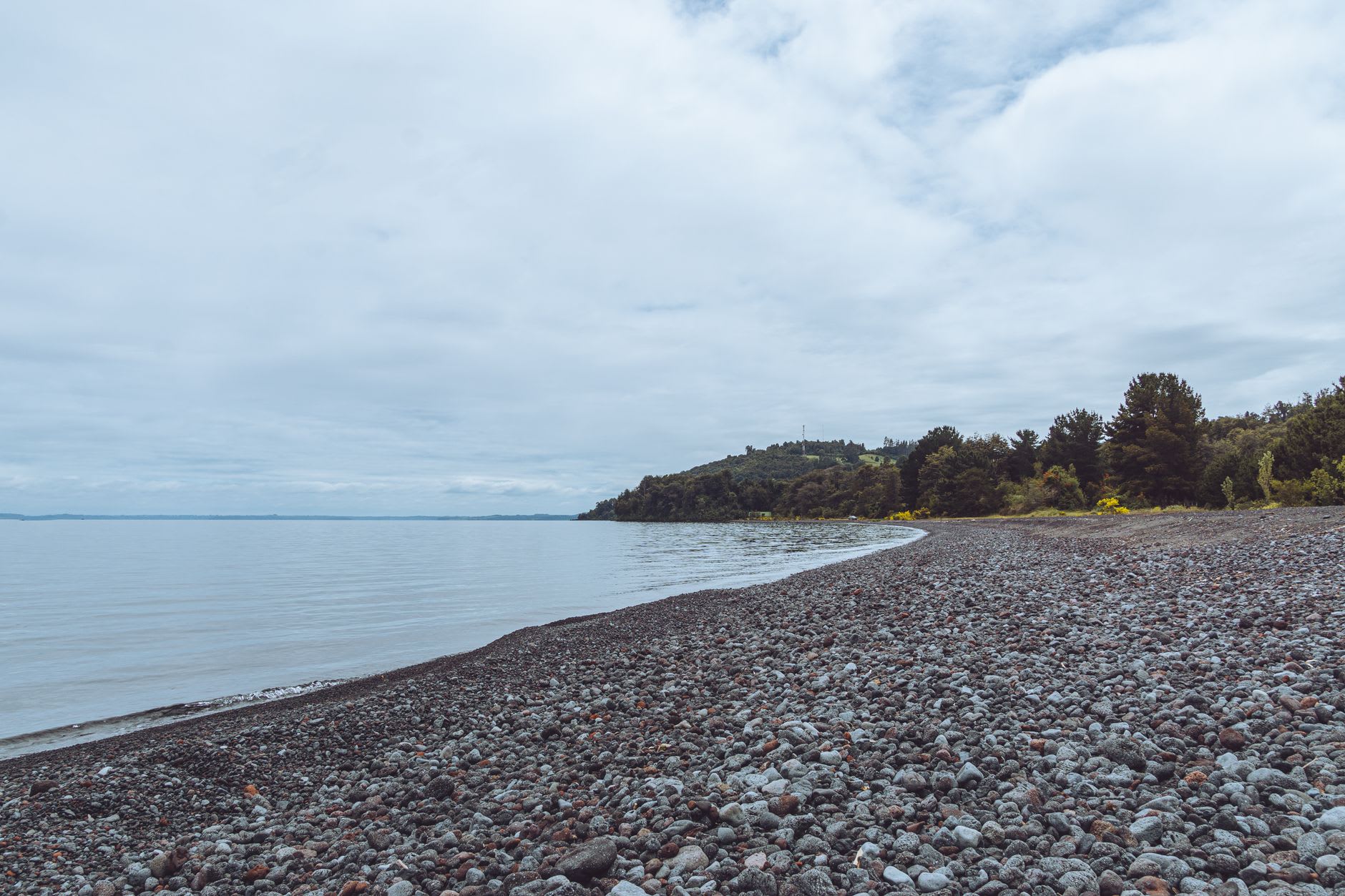
The city around the market is not especially elegant — Puerto Montt was rebuilt haphazardly after the 1960 earthquake and never quite recovered its pre-war character — but the Barrio Alemán a short walk inland has a handful of the original wooden houses from the German settlement era, including the Teatro del Lago’s older sibling, the Teatro Regional del Seno de Reloncaví, whose Bavarian-influenced wooden architecture looks out of context against the port skyline in a way I found genuinely moving.
When to go: Year-round for the market and port, which operate regardless of weather. November through March has the best conditions for watching the archipelago crossing and the clearest views across to the mountains of Chiloé. June through August is grayer and wetter but the seafood is at its absolute best — winter is prime season for the giant mussels and the razor clams that the Chiloé channels produce.