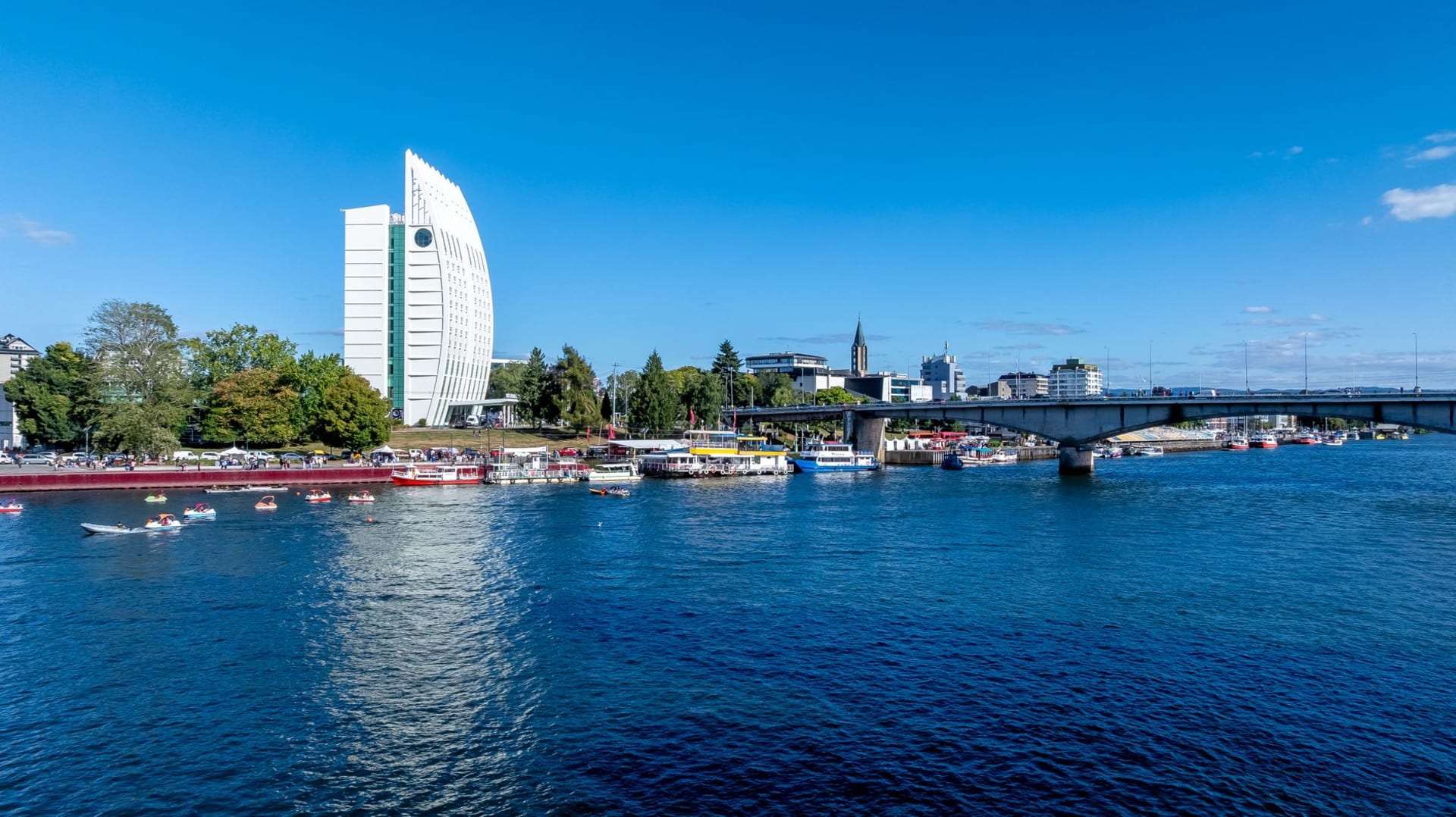
Pucón
"Villarrica is one of the few places where the danger is completely literal and you book it anyway."
The bus from Temuco drops you on the main street and the volcano is just there — right above the town, venting a permanent wisp of white smoke, looming with the casual authority of something that formed before the concept of manners existed. I had been told Pucón was crowded in summer, that it had become touristy, that the main drag was all adventure agencies and fondue restaurants. This is all true. And none of it matters, because the volcano is there, and it is active, and you can walk to its crater.
I hired a guide at five in the morning, which is the required time, and we drove up the ski-lift road in the dark and started climbing through snow as the sky went from black to purple to a cold silver grey. The crampons are not optional — the upper slopes are ice and the angle is unforgiving — and the ice axe you carry is not a prop. At the summit, the crater opens below you in a chaos of sulfur gas and orange light, the whole southern lake district laid out behind you in the distance, Llanquihue and Todos los Santos catching the early sun like pieces of fallen sky. I understood something up there about why people do things like this. Not philosophy — just the specific clarity of being cold and tired and looking at something ancient that is still moving.

The town itself is organized chaos in a way that is somehow charming rather than exhausting. Every second business is an adventure agency offering some version of the same cluster: volcano hike, white-water rafting on the Trancura, canopy in the native forest, kayaking on the lake. The main street — O’Higgins — smells of sunscreen and barbecue and the particular combination of mud and pine that the surrounding forest sends in on the breeze. The food is better than its reputation: the kuchen at any of the German-Chilean bakeries would stop a conversation, and there are a handful of places doing serious things with locally caught trout and wild mushrooms from the forest. I ate dinner one evening at a place that served curanto al hoyo — the traditional Chiloé clambake done underground — which takes six hours to prepare and arrives on a wooden board like an archaeological event.
The thermal pools are where Pucón earns its second reputation. Termas de Huife and Termas los Pozones are the ones people mention, but the smaller, less-promoted springs scattered in the hills above town are the ones I prefer — less organized, more the feeling of slipping into something that the earth is offering rather than something a resort has packaged. After the volcano climb, soaking in water that smells faintly of minerals and comes out of the hillside at exactly the temperature you need — that sequence of cold exertion and warm recovery is one of the great physical experiences this region offers.

Lago Villarrica itself is a revelation at the town beach in the early morning before the summer crowds arrive. The water is cool and very clear, the volcano reflected in it from the south end, and at seven in the morning there are perhaps three other people on the entire stretch of sand. By ten it is packed. The Lake District operates on this rhythm everywhere: get there early or accept that you are sharing it.
When to go: November and December for the clearest conditions on the volcano and mild weather before the crowds peak. January and February are high summer — the town overflows and volcano permits sell out weeks in advance, so book early or risk missing it. April is genuinely the secret window: the weather is stable, the crowds are gone, the forest is turning gold, and the thermal pools are nearly empty.