Turtuk
"Turtuk felt like somewhere the twentieth century had simply forgotten to arrive — and everyone seemed entirely fine with that."
The jeep driver told me the road ended at Turtuk and I should not expect to go further. He said this in the tone of a man who has said it many times and means it both practically and philosophically. The tarmac does indeed end just past the village, replaced by a military track that continues toward the Pakistani border — a border that shifted here as recently as 1971, when Turtuk was Pakistani territory and then, overnight, was not. The village only opened to foreign tourists in 2010. Some of the older residents remember both countries with the same body.
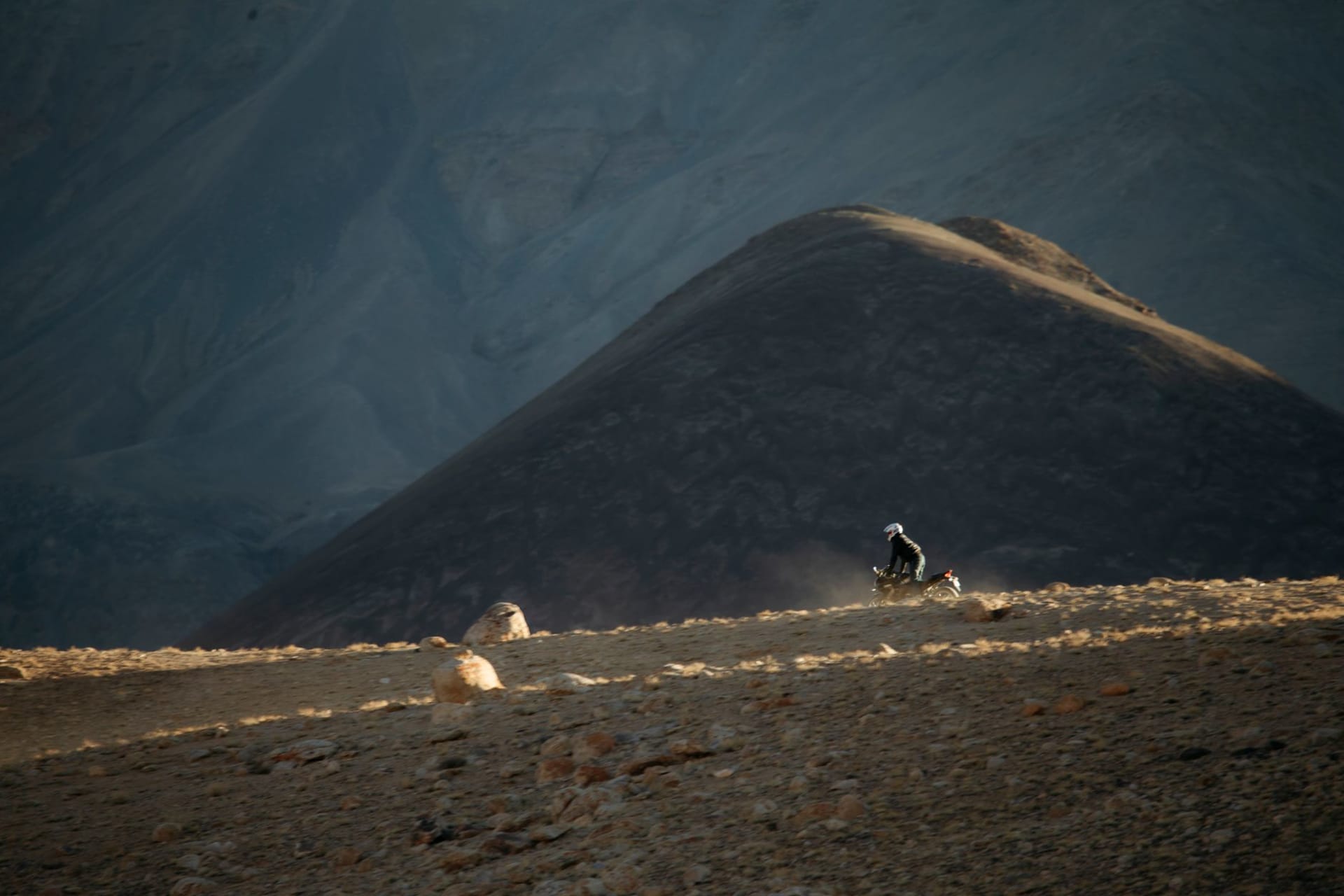
I arrived in the afternoon, when the light was coming low over the Karakoram peaks and the walnut trees along the lane were throwing long shadows across the stone walls. Turtuk is built vertically — the houses climb a hillside in tight clusters, connected by alleys too narrow for anything wider than a person carrying a basket, and the orchards fill every flat terrace below. The Shyok River runs at the bottom of the valley, invisible from most of the village but audible at night, a sound like white noise that the altitude makes louder. The people here are Balti — a Tibetan-descended Muslim community who speak Balti, Urdu, Ladakhi, and sometimes Hindi, and who absorbed a second national identity with a pragmatism that seems characteristic of people accustomed to being at the intersection of everything.

I stayed with a family who ran the loosest definition of a guesthouse: a room with a wooden bed, a shared bathroom, and meals at whatever time made sense. Breakfast was apricot jam on fresh bread, eaten at a low table while the grandmother of the house sorted dried herbs on the floor nearby, occasionally adding something to a pot on the stove with the focus of someone who has been doing this for sixty years and does not require commentary. The son, who was maybe twenty-five and spoke excellent English he had learned from a succession of travelling guests, showed me the family orchard — walnuts, apricots, mulberries — and explained that the trees were several generations old and the fruit was the primary income, dried and sold down the valley to Leh. The apricots here have a particular intensity, smaller and more tart than the ones I’d eaten in Nubra, with a flavour that seems concentrated by the altitude and the thin air.
The old village, higher up the hillside, has houses that date back centuries — rooms with carved wooden ceilings and windows that frame the mountains precisely, as if the builders had arranged them with the eye of a photographer. I climbed up in the evening and found a man repairing a roof with mud and straw, tamping it down with a wooden mallet in a rhythm that sounded like a very slow drum. He nodded without stopping and I sat on a nearby wall and watched the light go off the peaks in stages, the highest ones holding their pink for longest, until the valley was fully in shadow and the first stars appeared above the western ridge.

What Turtuk does not have is any performance of itself. There are no curio stalls, no touts at the entry point, no signage directing you toward the highlights. The highlight is simply being in a village that has lived at the extreme edge of multiple worlds for a very long time and developed, in that position, something that feels like an unusually clear sense of its own nature.
When to go: June through September, with July and August the most accessible. The road from Hunder to Turtuk is rough in places and requires a sturdy vehicle. A Protected Area Permit is required for Turtuk — arrange it in Leh, where it can be done in a couple of hours at the District Commissioner’s office.