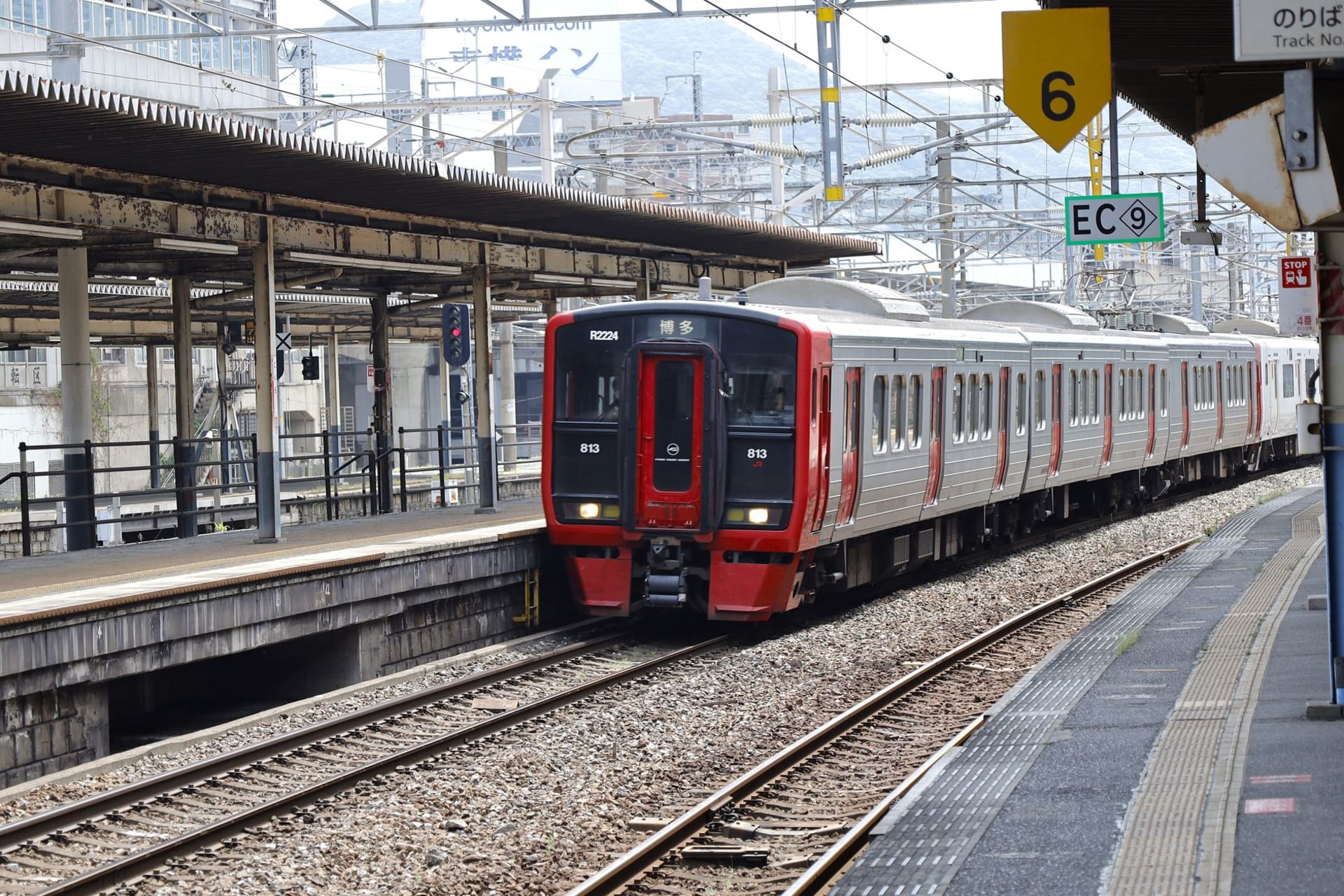
Fukuoka
"The ramen arrived in thirty seconds and I understood, finally, what all the arguing was about."
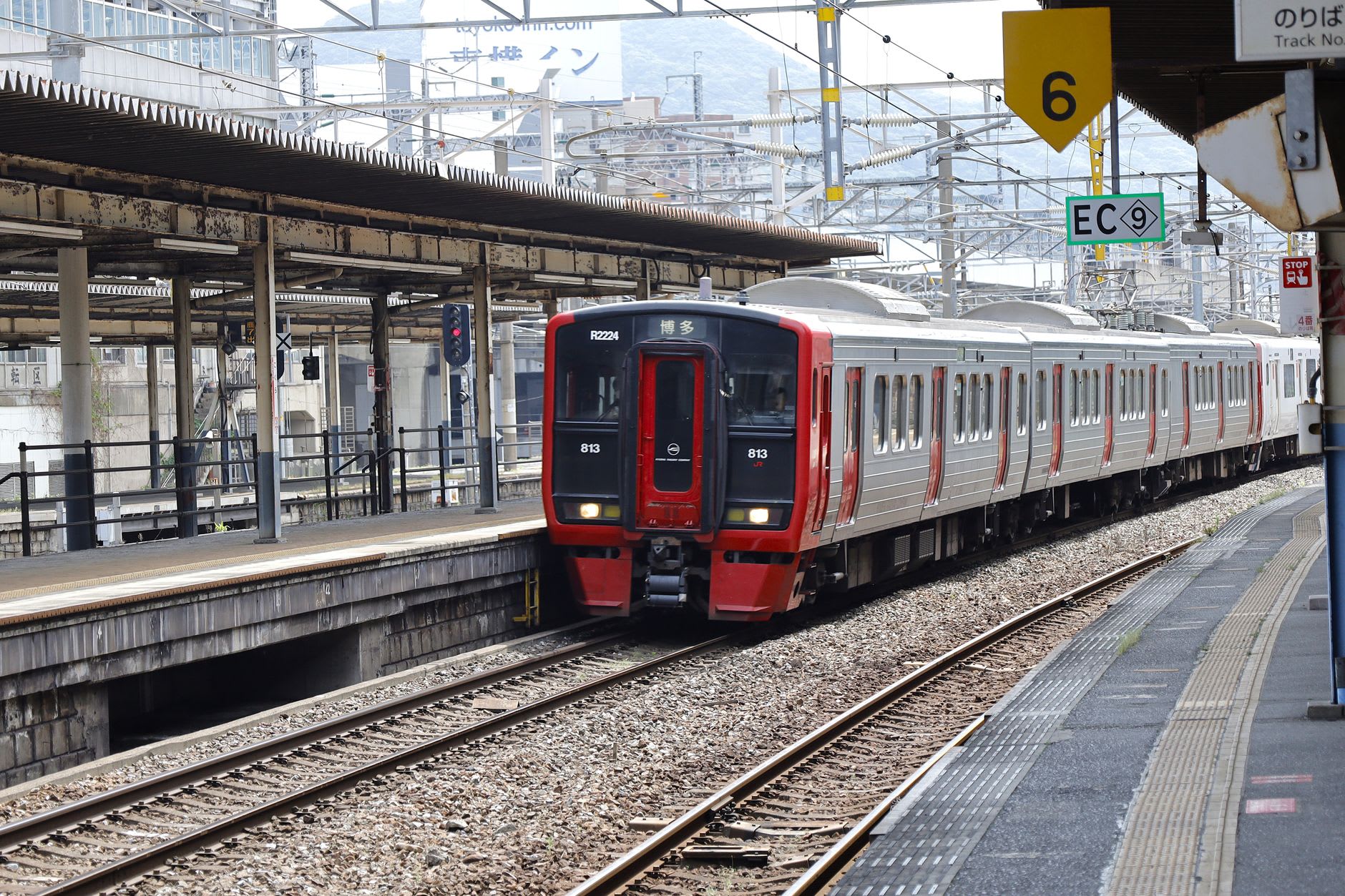
The smell reaches you before anything else. I stepped off the shinkansen at Hakata station and caught it immediately — that particular richness of pork bone broth that has been cooking since before dawn, drifting in through some vent or doorway I couldn’t identify. It was eleven in the morning. I found the nearest yatai stall within ten minutes, sat on a low plastic stool, and ate a bowl of tonkotsu so intensely white and creamy it looked almost like milk. The noodles were thin and firm, the chashu pork draped rather than piled, a single soft egg halved to show its amber yolk. The cook, a small man in his sixties with a precise economy of movement, didn’t look at me once. He didn’t need to. The bowl said everything.
Fukuoka exists in two historical halves pressed together. Hakata, on the eastern side, is the old merchant town — the train station, the temples, the covered shopping arcades that smell of incense and warm sesame. Tenjin, to the west across the Naka River, is the modern commercial center, department stores and fashion boutiques and the wide avenues that make you feel the city has ambitions it wears lightly. But the real life of Fukuoka happens along the river at night, when the yatai stalls appear like a small temporary village — maybe twenty or thirty of them, red and yellow lanterns strung above, the cooks working in spaces so narrow they have to turn sideways to pass each other. You pull back a curtain and sit among strangers and order whatever the person next to you is eating. I had gyoza so thin-skinned they were nearly translucent, then chicken skewers over binchotan charcoal, then a glass of something cold and fizzy that the cook poured without asking.
What surprised me about Fukuoka was its lack of performance. Tokyo performs relentlessly — the efficiency, the precision, the invisible code of behavior you feel obligated to decode. Fukuoka does not seem to want to impress you. Ohori Park in the morning has joggers and dog-walkers and old men practicing tai chi without any sense that this is scenery for tourists. The Yanagibashi covered market, which the locals call Fukuoka’s Kitchen, is where restaurant buyers arrive at six in the morning and home cooks follow at eight, and the fishmongers call out across the aisle in a Hakata dialect so thick I caught perhaps one word in five. I bought a piece of yellowtail sashimi wrapped in paper and ate it standing on the street outside, which seemed entirely acceptable.
The city has a looseness to it that I found genuinely rare in Japan. People strike up conversations. In a small bar in Daimyo — Fukuoka’s nightlife quarter, all narrow lanes and basement doors — a middle-aged man who turned out to be a ceramicist spent an hour explaining to me the difference between Hakata weaving and every other textile tradition in Japan, with the unshakeable certainty of someone who has had this conversation a thousand times and never found it boring. He was right about most of it, I later confirmed. The mentaiko — spiced pollock roe that Fukuoka considers its contribution to Japanese food culture — came with the next round of drinks, spread on a small square of toast, and it was extraordinary: saline and chili-warm, the kind of thing that makes you recalibrate what a condiment can be.
When to go: Late March and early April bring cherry blossoms to Maizuru Park and the castle ruins, which feel less crowded than Kyoto or Tokyo equivalents by an order of magnitude. Early October has festivals — the Hakata Dontaku procession fills the streets in May. Avoid mid-August heat if you can, though the summer evenings by the river with the yatai lit up are worth a certain amount of sweating.