Skazka Canyon (Fairy Tale Canyon)
"We came for the lake and forgot about it completely once the dragon showed up."
A pocket of red sandstone spires above Issyk-Kul, where wind and water have sculpted a dragon and a wall out of stone.
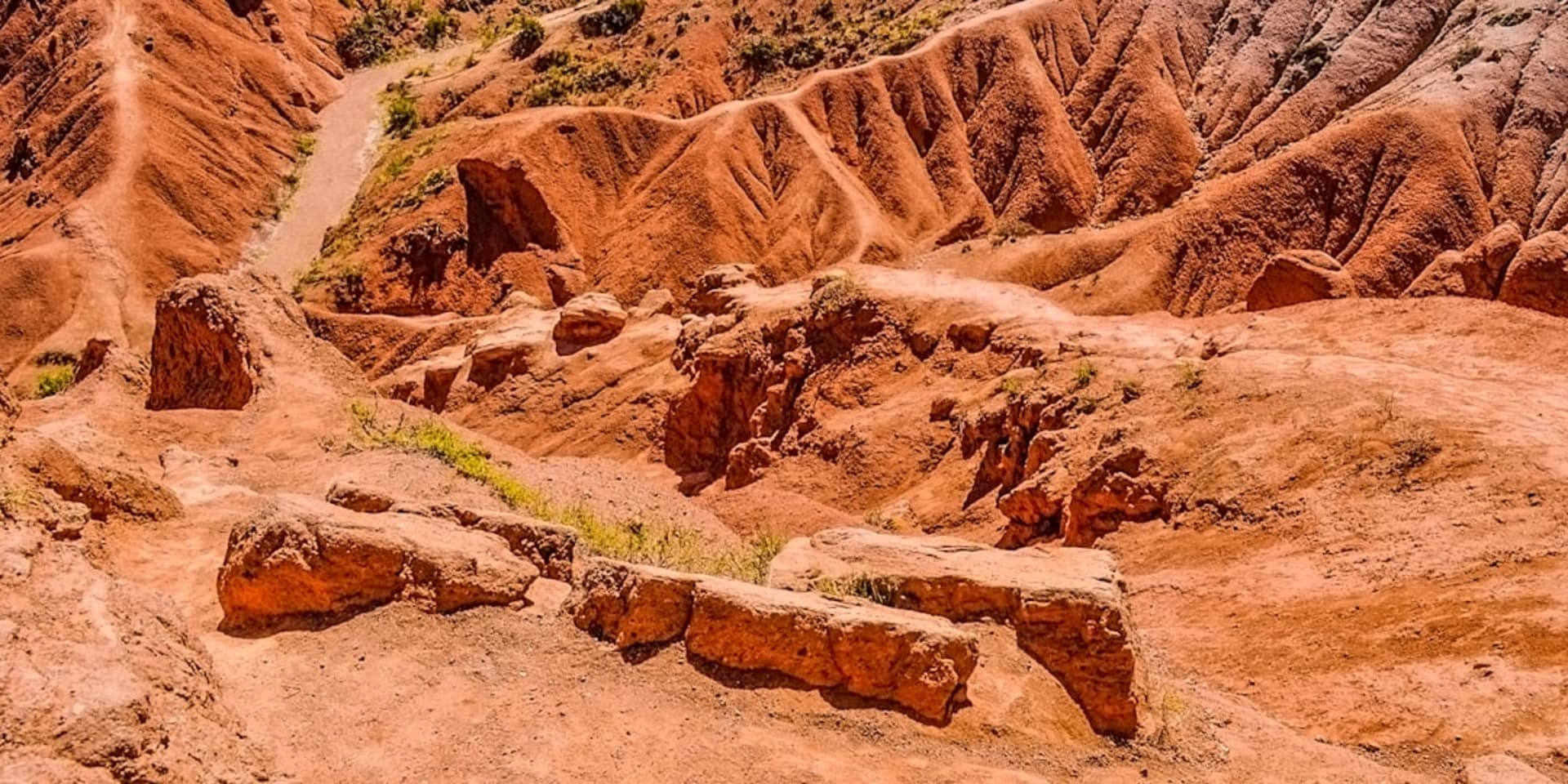
We almost drove past it. Lia was navigating off a screenshot of a map some guesthouse owner in Karakol had scribbled a circle on, and when we pulled off the road near Tosor there was nothing to see from the car — just scrubby grass and the blue slab of Issyk-Kul behind us, Tian Shan peaks still carrying snow even though it was June. Then we walked maybe five minutes and the ground just opened up. Red and orange rock, ridged and spiky, dropped away in front of us like someone had unzipped the hillside. I remember actually laughing out loud, which doesn’t happen to me at landscapes very often.
The guide who fell into step with us near the entrance — we hadn’t hired him, he just seemed to attach himself to anyone who looked lost, and we didn’t mind — pointed out the shapes as we went. That ridge was the sleeping dragon, he said, if you squinted and used your imagination generously. That wall of stacked orange plates was the Chinese wall. I’m not sure I saw either one exactly as advertised, but I saw something — the erosion here is so specific and so strange that your brain wants to name it, wants to turn wind and water into a story, which I guess is exactly why the Kyrgyz called it Fairy Tale Canyon in the first place.
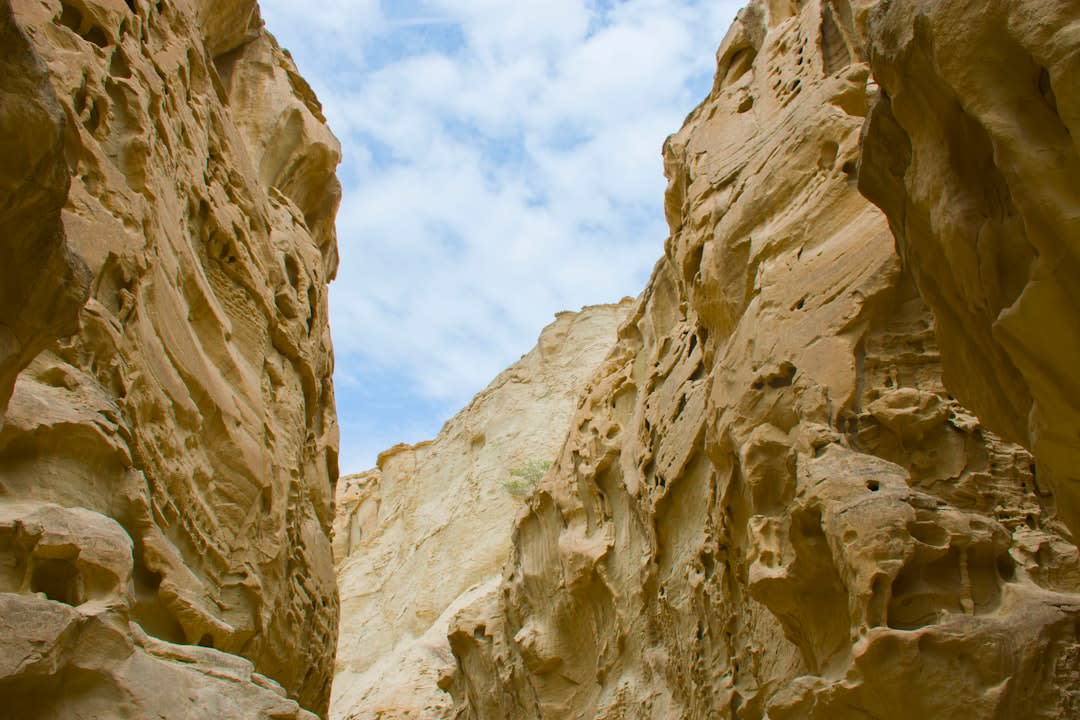
The loop took us just under two hours, unhurried, with a lot of stopping to climb onto ledges and take the same photo four times because the light kept shifting. What got me wasn’t any single formation but the contrast — you’re in this dry, cracked badlands terrain, all rust and ochre, and every time the trail crests a ridge you catch that impossible blue of the lake again, with white peaks stacked behind it. Lia kept saying it looked like three different countries stitched together. We ate flatbread and dried apricots sitting on a warm rock shelf about halfway round, watching a group of Kyrgyz families picnicking down in the canyon floor like it was the most normal Sunday spot in the world, which for them it probably was.
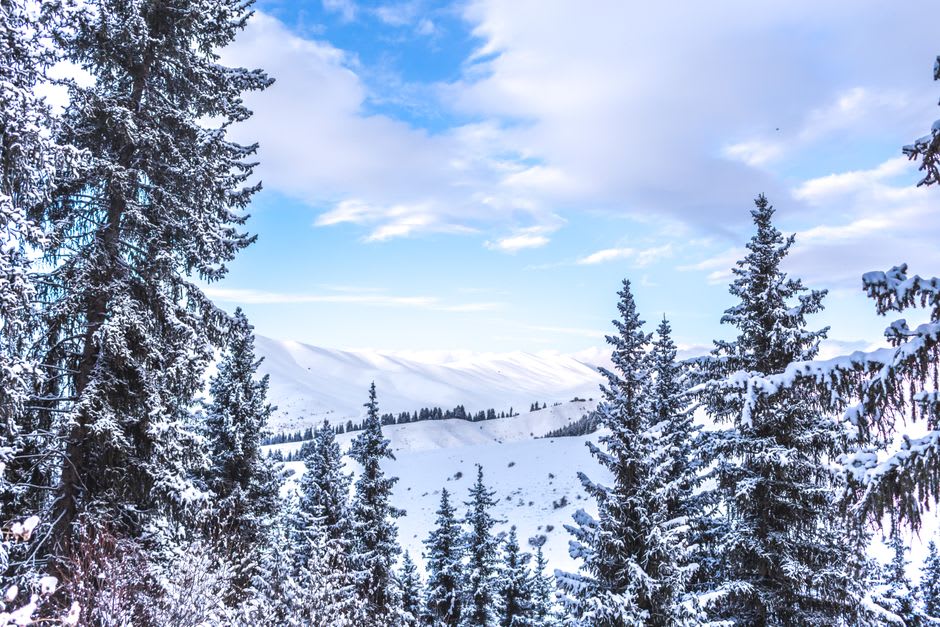
We’d budgeted an hour, in the way you budget things you’ve never seen, and stayed closer to three. It’s small — you could speed-walk it in forty minutes if you had somewhere to be — but nobody we saw was in a hurry. It’s the kind of place that rewards the same instinct that makes you slow down for a sunset: nothing dramatic is going to happen, and that’s sort of the point.
When to go: We were there in June and the light in the afternoon was doing something almost unfair to the red rock. Anytime from May to September should give you similarly good hiking conditions and photography light, though I’d guess early or late in that window means fewer other cars parked along the road.
Keep exploring
More from Kyrgyzstan
 kyrgyzstan
 Song-Kul
A high lake at 3,000 meters where in summer the whole steppe fills with yurts and the air smells permanently of horses and wood smoke.
Explore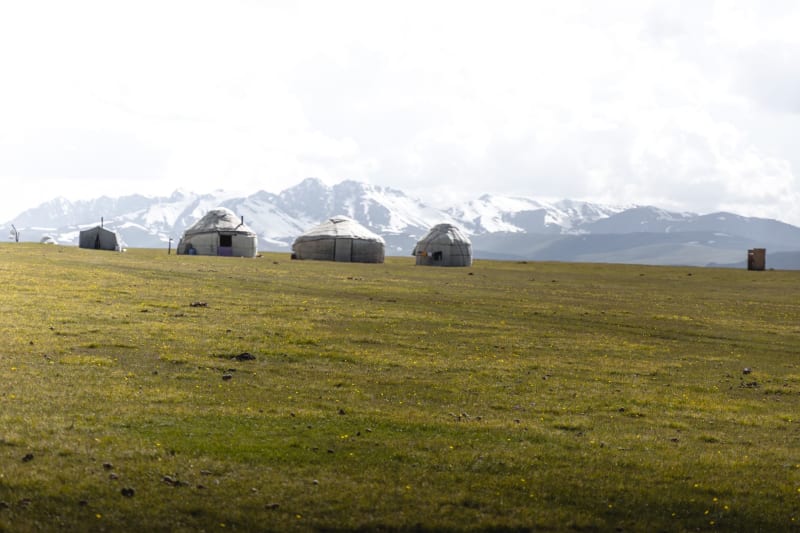 kyrgyzstan
 Tash Rabat
A 15th-century caravanserai made of fitted stone that stands intact in a remote valley near the Chinese border, as if the Silk Road simply forgot to leave.
Explore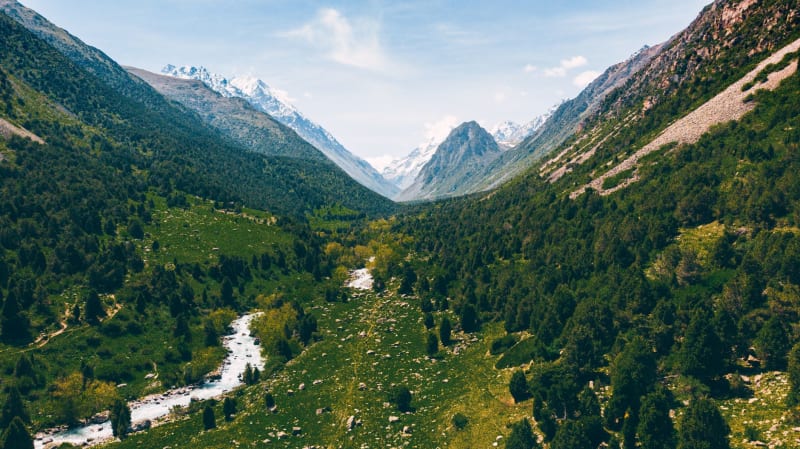 kyrgyzstan
 Ala Archa National Park
A gorge that begins forty kilometers from Bishkek and climbs into a world of glaciers, granite peaks, and complete silence.
Explore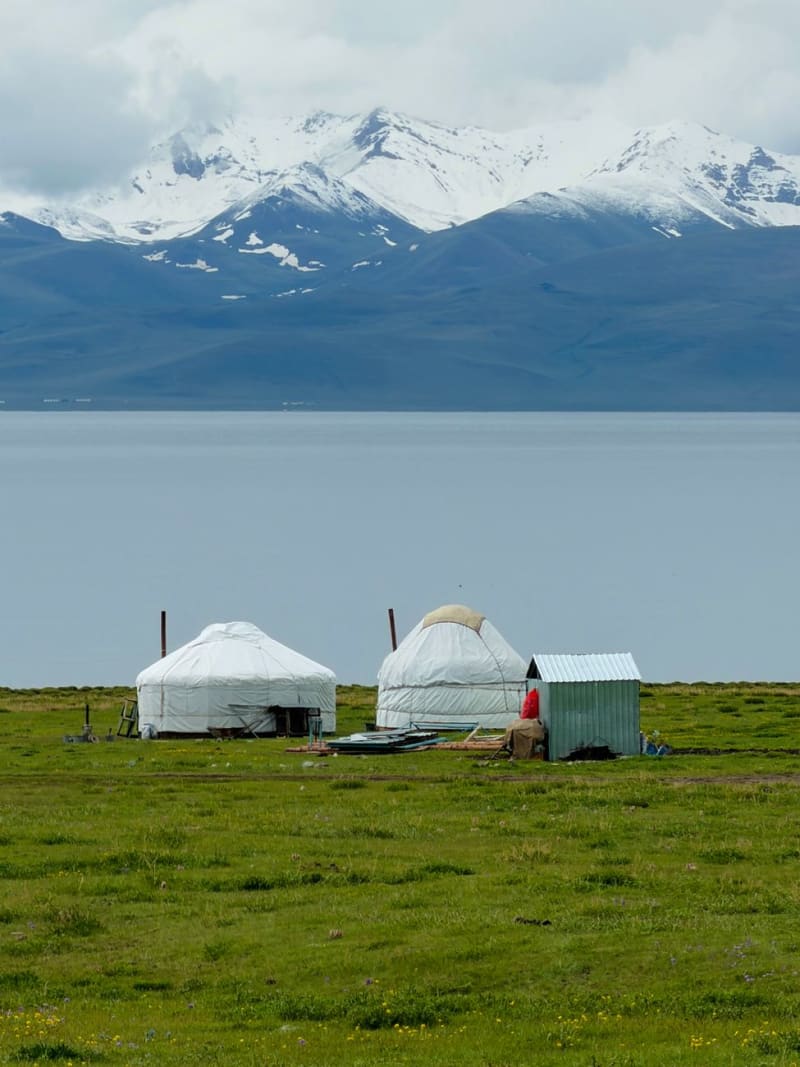 kyrgyzstan
 Altyn-Arashan
An alpine valley above Karakol where hot springs steam in the snowmelt, half-feral horses graze the meadows, and a battered Soviet jeep grinds three hours up a riverbed to get you there.
Explore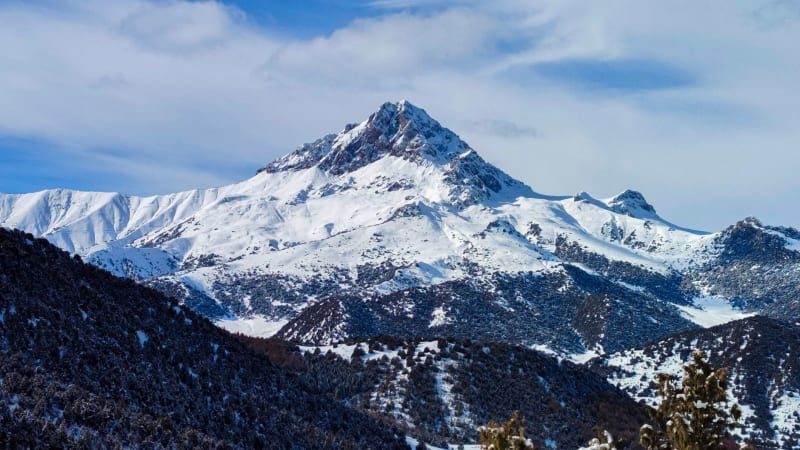 kyrgyzstan
 Arslanbob
A village tucked inside the world's largest natural walnut forest, where the Silk Road passed through and an Uzbek community still harvests the ancient trees.
Explore kyrgyzstan
 Bishkek
A Soviet grid of wide boulevards and chestnut trees that most travelers pass through too quickly on their way to somewhere higher.
Explore