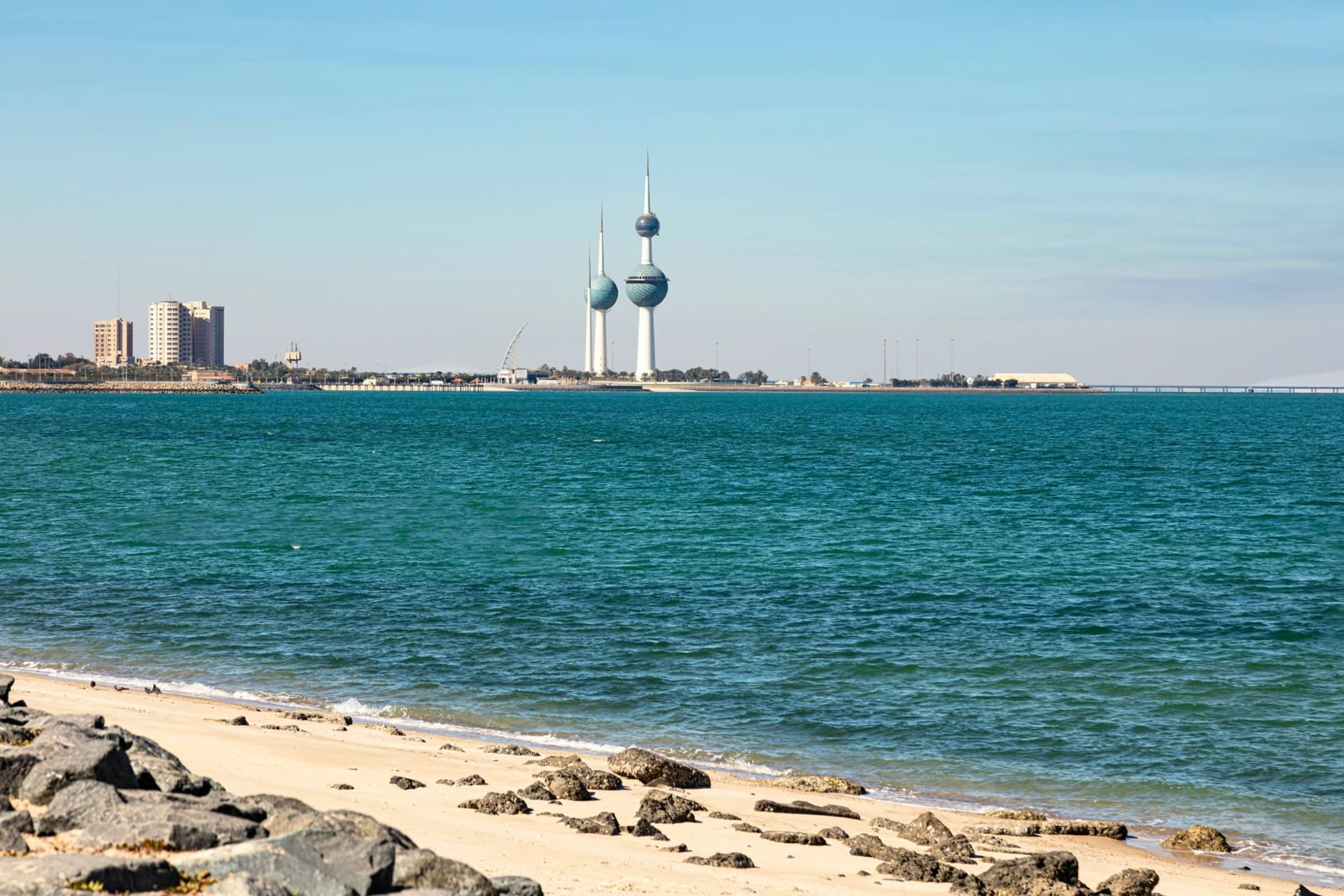
I found the restaurant in Rumaithiya the way you find the best restaurants anywhere: someone’s friend drew a map on their phone screen, said “no menu, just point,” gave me the neighborhood name but not the street, and did not bother telling me what the place was called. The cab driver found it anyway, which suggested it was the kind of place the cab driver had been to. We passed three gleaming towers on the main road and turned into a grid of low residential streets, and the restaurant appeared in what looked like it had originally been someone’s house — a door open onto a courtyard, plastic chairs, a counter with two large pots sitting on it, and an old man behind the counter who looked at me with the expression of someone who did not object to my presence but required me to make a decision.

Machboos is Kuwait’s national dish in the way that a dish can be national — meaning that everyone has a version, everyone has an opinion about the version, and eating an unfamiliar version in an unfamiliar place teaches you more about a place than any amount of reading can. The Rumaithiya version that afternoon was fish machboos: slow-cooked hamour laid over long-grain rice that had absorbed a broth built from dried lemon, saffron, cardamom, cinnamon, and something else I couldn’t isolate but kept trying to. The fish pulled apart in large flakes. The rice had a faint sourness from the loomi that balanced the warmth of the spices. I ate too much of it and ordered more. The old man behind the counter seemed pleased by this, though his expression barely changed.
Rumaithiya sits east of Kuwait City proper, and it is a neighborhood that functions on its own terms: predominantly Kuwaiti in character, residential in purpose, not organized around the needs of anyone passing through. The streets are quiet in the middle of the day when the heat is serious. The mosques announce the hours. In the evenings, the tea houses on the corner streets fill with men who have known each other for long enough to talk without finishing sentences. I found a tea house that served karak chai in small glasses with too much sugar and sat there for an hour reading nothing, which is a thing that good neighborhoods make easy.

The date shops in Rumaithiya deserve their own consideration. Kuwait takes its dates seriously — the differences between varieties, the pairings with coffee, the appropriate moments for each type — and the shops here sell thirty or forty kinds in open trays, some dry and crystallized, some soft and yielding, some tasting of caramel and some of almost nothing except concentrated sweetness. I bought four different kinds and ate them with cardamom coffee and felt, for a while, that I had understood something about the place that the towers and the malls and the Friday Market had been preparing me to understand without quite delivering it.
When to go: Year-round for lunch — the machboos restaurants tend to operate mainly at midday and early afternoon when the pots are full and fresh. Evenings bring the tea house culture, which is best from October through March. Rumaithiya is about 15 minutes east of the Kuwait City waterfront by taxi; ask for the residential area rather than the main commercial strip.