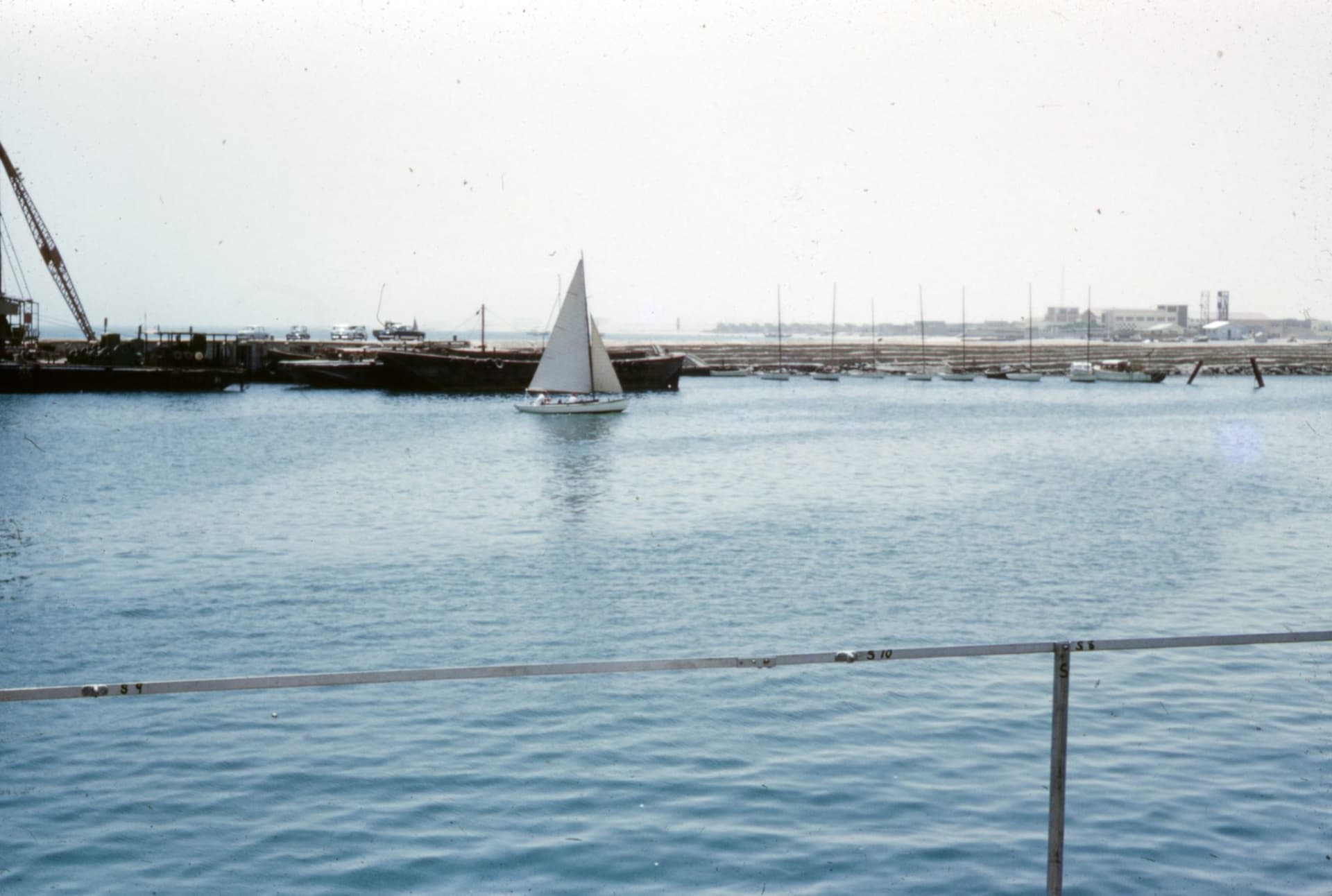
The ferry from Ras Salmiya takes about forty-five minutes, and for most of that crossing I stood at the bow watching the island slowly take shape on the horizon — a thin, flat line of land barely distinguishable from the water underneath it. It was mid-January, the Gulf choppy and cold, and I was almost the only tourist on board. Everyone else looked like they were returning home from errands, carrying bags from the mainland. Then I remembered: nobody lives on Failaka anymore. They haven’t since 1990.

Failaka is one of those places that layers time in ways that become disorienting if you think about it too long. The Bronze Age settlements here — some dating back four thousand years — are visible as low mounds scattered across the interior, and the Greeks under Alexander’s successors built a temple here in the third century BC, leaving coins and inscriptions that archaeologists are still sorting through. You can walk among those ruins on the island’s eastern end, the coral-stone foundations barely knee-high, the Gulf wind moving through the site like it has forgotten to stop. The sense of accumulated disappearances feels almost deliberate. Every civilization that came here eventually left, and the island absorbed them all without comment.
Then you reach the abandoned village, which is something else entirely. The Iraqi army evacuated Failaka’s entire population in 1990 — about five thousand people — and used the island as a military base during the occupation. After liberation, the residents never returned. The houses stand as they were left: doors missing, ceilings open to the sky, the occasional piece of furniture visible through a window frame. A mosque, still intact, with a locked gate. Streets that were clearly once active, children-loud, dinner-smelling. The contrast between this living memory and the ancient ruins a kilometer down the road is what makes Failaka strange in a way I wasn’t prepared for. The Greek temple feels like history. The village feels like last week.

There are beaches on the island’s western shore where the water runs clean and shallow and turquoise in a way that the mainland Kuwait coastline, crowded with infrastructure, rarely manages. I ate the lunch I’d brought from the mainland sitting on the sand there, watching pelicans work the shallows. The development plans for Failaka — and there are always development plans — keep getting discussed and then quietly shelved. For now, the island exists in a kind of involuntary preservation, caught between what happened to it and what hasn’t been decided about it yet. That ambiguity is, I think, what makes it worth the ferry ride.
The small archaeological museum near the ferry terminal has a modest but focused collection of Greek-era finds: coins, oil lamps, figurines. It is the kind of small museum that rewards patience, because the objects are unremarkable on their own but become significant when you’ve just walked the site they came from. The staff, when I visited, seemed surprised to see anyone, and that small surprise felt like the island’s truest welcome.
When to go: November through March, when the Gulf is navigable without heat exhaustion. Ferries run most days from the Ras Salmiya terminal in Kuwait City, though schedules shift seasonally — check with the Kuwait Authority for Tourism for current timings. Bring your own food and water; services on the island are minimal. Arrive early to have the ruins to yourself before afternoon tour groups arrive on weekends.