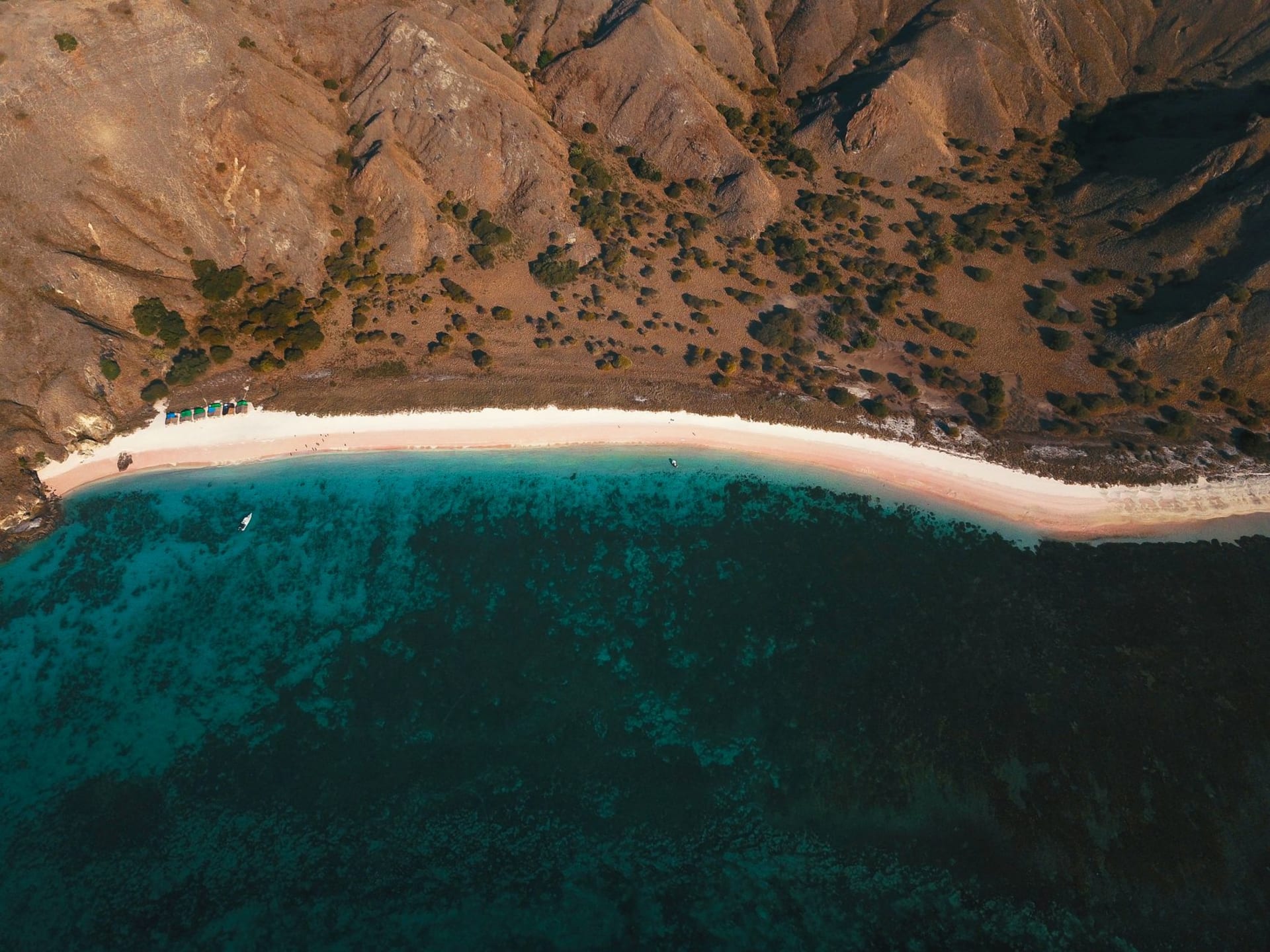
Loh Liang
"The dragon on the dock didn't move for me. I was the one who stepped around it."
The boat rounded the headland and I smelled Loh Liang before I saw it. Not the salt and seaweed smell of the sea we’d been crossing for an hour out of Labuan Bajo, but something older and darker — a low carrion note that drifted across the water like a reminder that this place operates on different rules. My guide noticed my expression and smiled without turning. “The dragons,” he said. “You can always smell them first.”
Loh Liang is the main entry point to Komodo Island proper, a cluster of wooden ranger buildings and a long dock that juts into the calm bay. The dock is where the dragons come to warm themselves in the morning sun, and on the day I arrived, three of them were already there — two medium-sized ones tangled near the shade of a support strut, and one enormous male stretched full-length across the planks as if demonstrating exactly what three meters looks like. A ranger walked me past it with a forked stick, not a tourist prop but actual protocol — written into policy because Komodo dragons can run at eight kilometers an hour over short distances and their mouths carry bacteria that make a bite fatal days later if untreated.
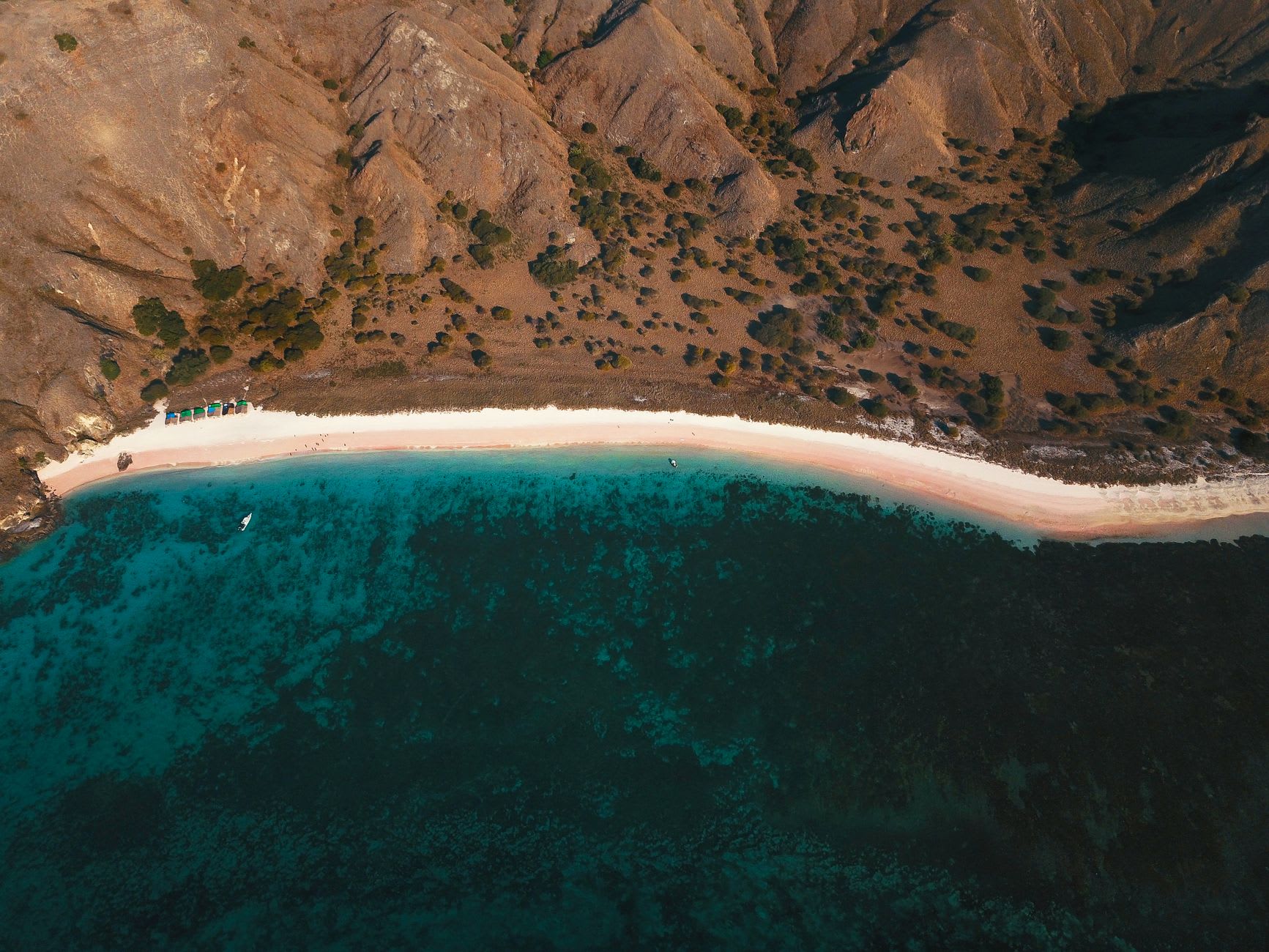
The trekking trails from Loh Liang move through dry savanna that doesn’t look like Southeast Asia at all — it looks more like parts of East Africa, golden grass over red volcanic soil, lontar palms spiking up against a bleached sky. The dragons you encounter in the interior are less accustomed to human presence than the dock loungers. On the long trek, one came out of the undergrowth about four meters to my left and regarded me with pale yellow eyes for perhaps thirty seconds before sliding back into the grass without urgency, without theater. My guide didn’t flinch. I very much did.
The ranger station has a small canteen where you can buy bottled water and instant noodles, and a covered waiting area before the trek departs. The other visitors ranged from Indonesian families on their first trip to see the dragons to European backpackers with ambitious hiking sandals to a group of serious wildlife photographers with telephoto lenses. Everyone was quieter than they’d been on the boat over. The island does something to your volume.
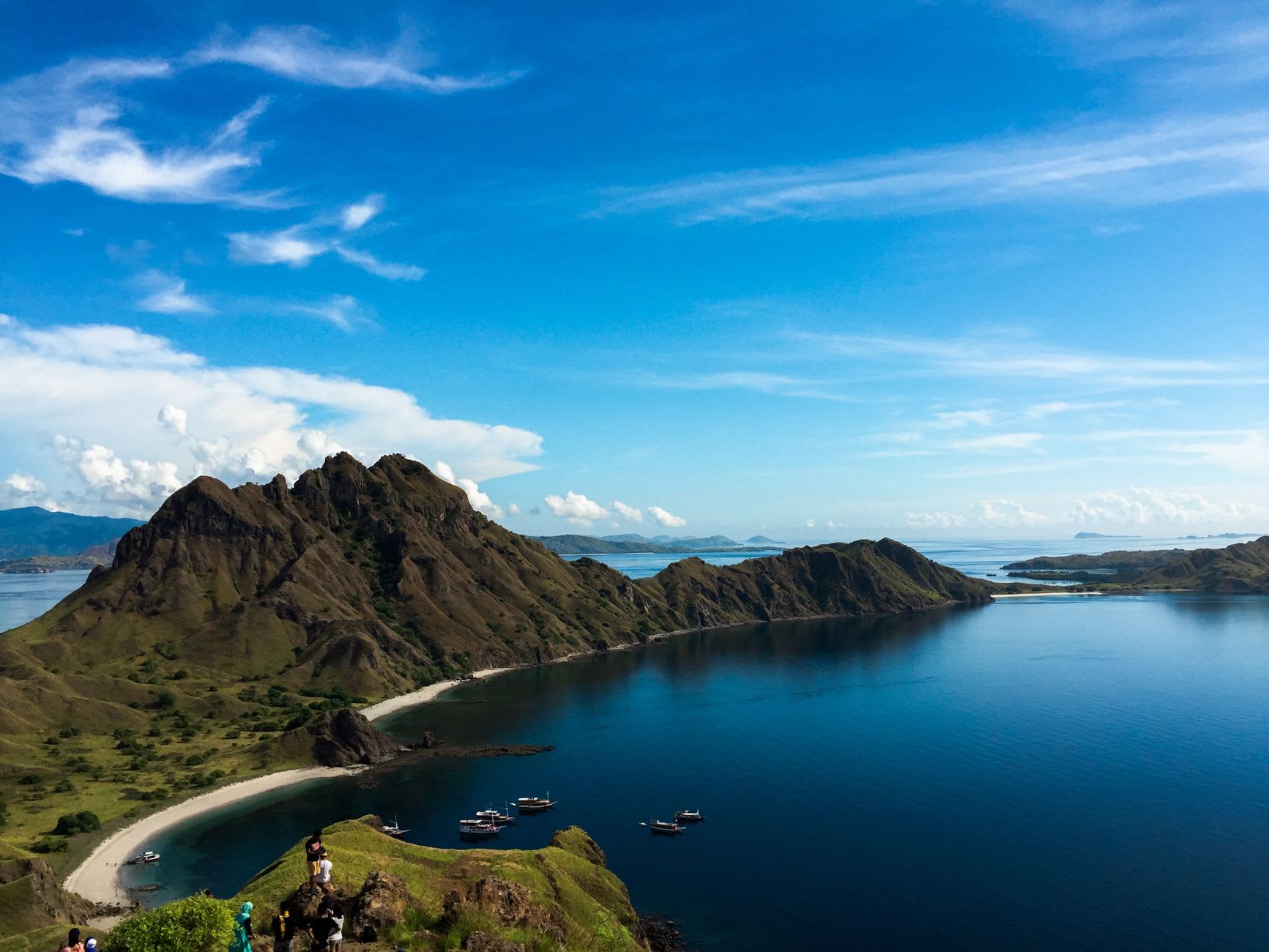
What surprised me most about Loh Liang wasn’t the dragons themselves — it was the combination of their size and their absolute stillness. These are the largest lizards on earth, descendants of a lineage that survived when most large reptiles did not, and they spend most of their time doing almost nothing. Waiting. Processing. Conserving. There is something philosophically satisfying about an apex predator whose primary activity is patience. I watched the dock dragon for twenty minutes before my group moved on. It did not acknowledge me once. I found that more unsettling than if it had.
When to go: April through October offers the driest conditions and calmest morning crossings from Labuan Bajo. Arrive at Loh Liang by 7am — the first light brings the dragons to the dock to warm up, and the first wave of day-trippers doesn’t arrive until around 9am. Those two early hours are worth setting an alarm for.