Bophut Fisherman's Village
"There is a specific hour on Friday evenings in Bophut where every smell that defines Thai cooking arrives at once and you have to stop walking just to deal with it."
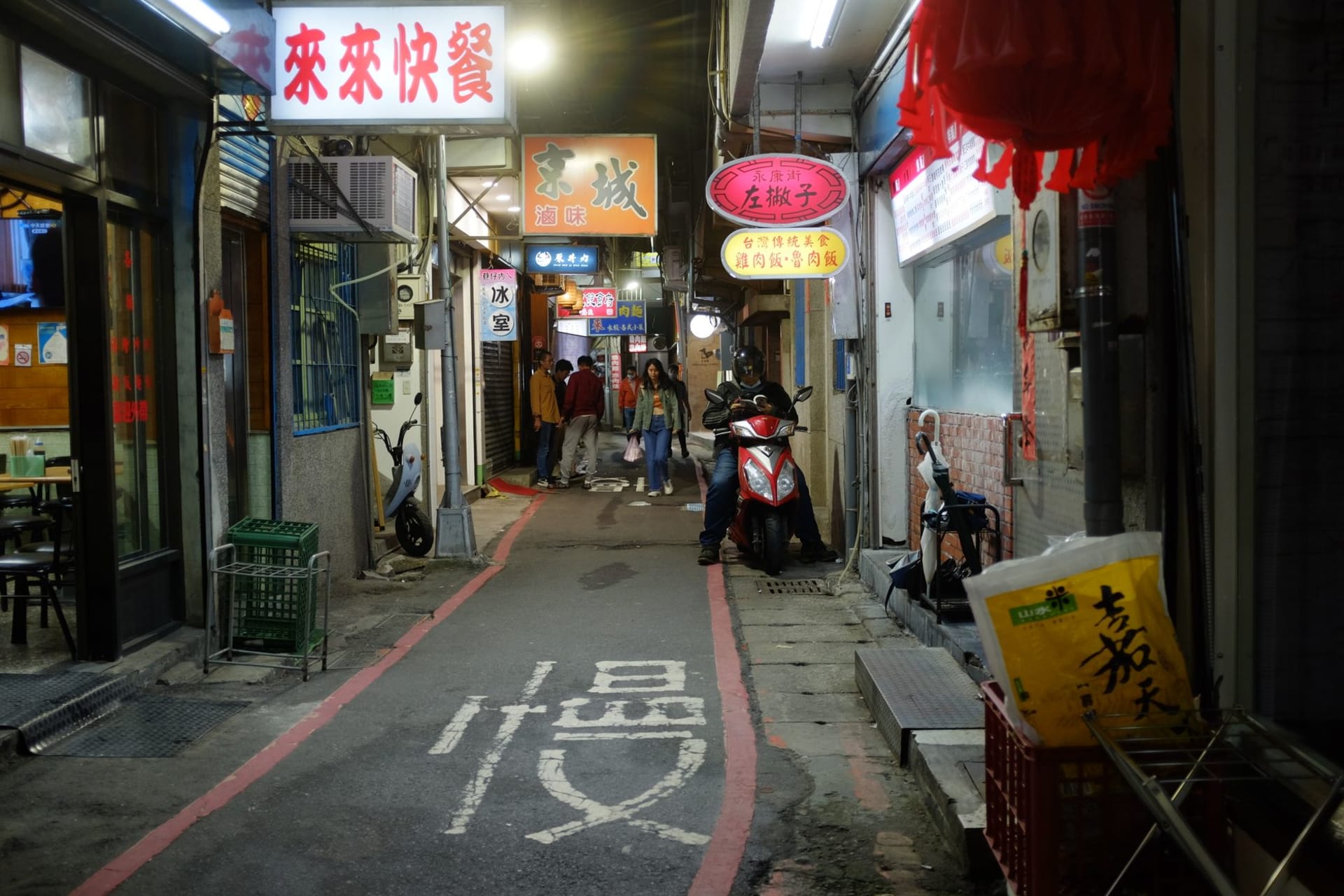
I found Bophut by accident, or almost — a local on a motorbike in Nathon waved toward the north road when I asked where people actually ate dinner, and I followed the coast until the road narrowed and the architecture changed. The shophouses appeared in the headlight: two-storey Chinese buildings with wooden shutters and tiled roofs, the kind of structures that in most of Southeast Asia have been gutted and replaced with concrete, but here have been repurposed rather than demolished. Some are now restaurants. Some are still hardware stores. One appeared to be a kind of combined pharmacy and tailor, which seemed impractical but had clearly been operating on that logic for decades.
The village stretches maybe two hundred metres along the waterfront. It faces north, which means the sunsets happen to your right and are not the point — the point is the light at around seven in the evening when the lanterns along the street come on and the cook fires under the wok stations start and the whole place takes on the amber quality of a photograph taken in the nineties. On Fridays this becomes the night market, and the street fills with vendors and smoke and tourists and Thai families all occupying the same narrow space with the reasonable good humour that good food tends to produce.

I ate at Bophut on three consecutive Fridays, which I realize sounds like I had run out of things to do on the island. In fact I had plenty to do. I kept coming back because the grilled corn with coconut cream and chilli was the kind of thing you want to eat while standing up, in the dark, with grease on your hands, and because the woman selling mango sticky rice with salted coconut milk cut her mango in a specific way I had not seen before — very thin, fanned out, almost translucent — and because on the third visit I found a table at a restaurant in one of the restored shophouses where the owner was from somewhere in Fujian province and had been cooking in Samui for thirty years, and his stir-fried morning glory with fermented tofu and the house fish sauce was something I ate slowly.
The pier at the end of the village is the best part of any morning. The longtail boats go out early and return by nine with whatever the Gulf offered, and the fishermen spread their catch on the dock in the sun. A cat population that appears to have been operating as a collective for some time attends these proceedings with professional focus. If you sit at the small coffee cart near the pier — the one without a sign, just a man with a moka pot and a table with condensed milk tins stacked on it — you can watch the whole transaction unfold with a glass of Thai iced coffee the colour of rust.

Bophut is not undiscovered — the Friday market now draws tour buses and the restaurant prices reflect that — but it has managed to stay something close to a functioning community rather than becoming purely a stage set. The key is time of day: arrive for the market, yes, but stay for the morning after.
When to go: The Friday night market runs year-round and is worth planning around. The north shore faces away from the worst of the monsoon season, meaning Bophut remains accessible even in October and November when the east coast is battered. Dry season from December through February is ideal, but this is one of the few corners of Samui that works in almost any weather.