Teraina
"An actual lake, on an actual coral atoll — Teraina breaks every rule the rest of Kiribati follows."
Also called Washington Island, an unusually lush Line Islands atoll built around a real freshwater lake, unlike anywhere else in Kiribati.
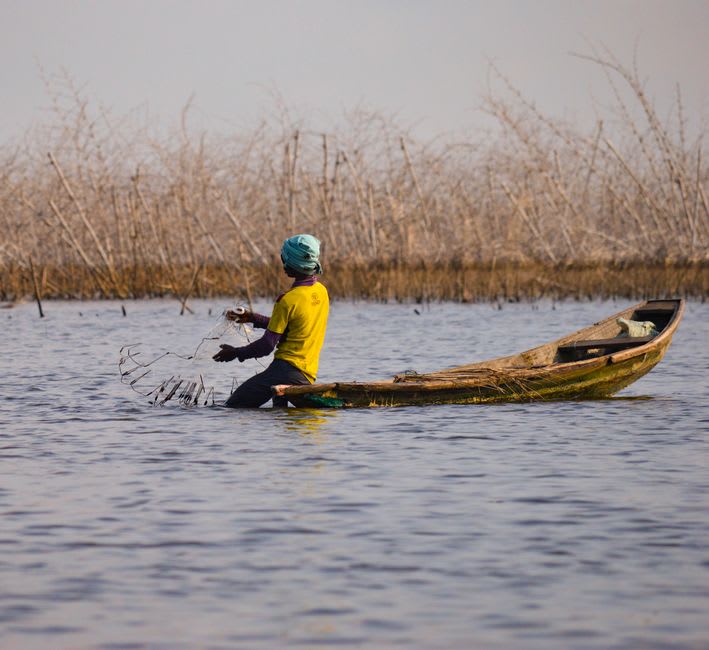
Teraina, known on older charts as Washington Island, was the single most disorienting place I visited anywhere in Kiribati, for one specific reason: it has a real freshwater lake. Every other atoll in this country is built around a lagoon of salt water connected, directly or through the porous coral base of the island, to the ocean. Teraina has an interior body of fresh water, Lake Washington, ringed by genuinely lush vegetation — dense stands of pandanus, breadfruit, and coconut growing thick enough in places to feel almost like forest rather than the scrubby coastal vegetation I’d gotten used to elsewhere. Locals fish the lake itself, a strange sight after weeks of watching people work reef flats and lagoon edges throughout the rest of the country.
I asked a village elder how the lake was understood locally, and he explained it partly in practical terms — a reliable source of fresh water and fish that doesn’t depend on rainfall the way catchment tanks on other islands do — and partly with a clear sense that Teraina considered itself unusually fortunate among Kiribati’s islands for having it. Copra production here is also notably productive, the richer soil and steadier fresh water supporting palm growth that looked visibly healthier than what I’d seen on some of the drier southern Gilbert atolls.
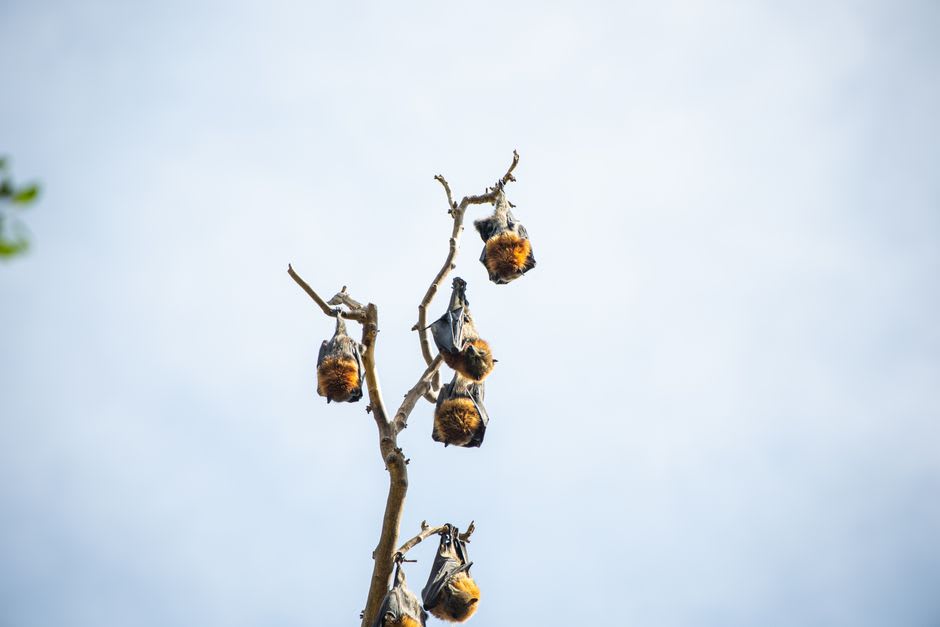
Getting to Teraina requires real commitment — infrequent flights from Kiritimati, occasional cargo boats, and once there, an isolation that felt almost total. I stayed with a family near the main settlement and spent an evening walking the lake’s edge as fruit bats moved overhead in numbers I hadn’t seen on any other island, silhouetted against a sky that stayed a deep bruised orange for what felt like an hour after sunset. It’s a small detail, but it’s stayed with me since — proof that even within one small island nation, geography can still surprise you completely.
When to go: April through October for the most reliable flights from Kiritimati, which is the only realistic gateway. There is no tourist infrastructure; arrange a homestay through community or church contacts well before arriving.
Keep exploring
More from Kiribati
 kiribati
 Abaiang
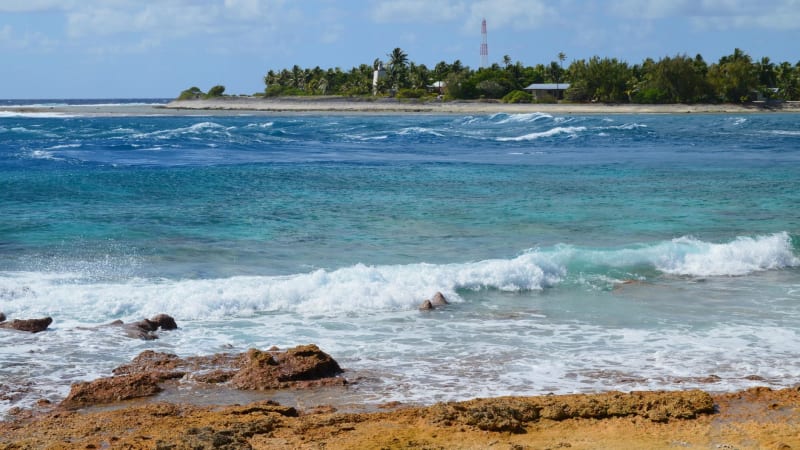
The first outer island north of Tarawa, where the lagoon is enormous and village life moves at the speed of the tide.
Explore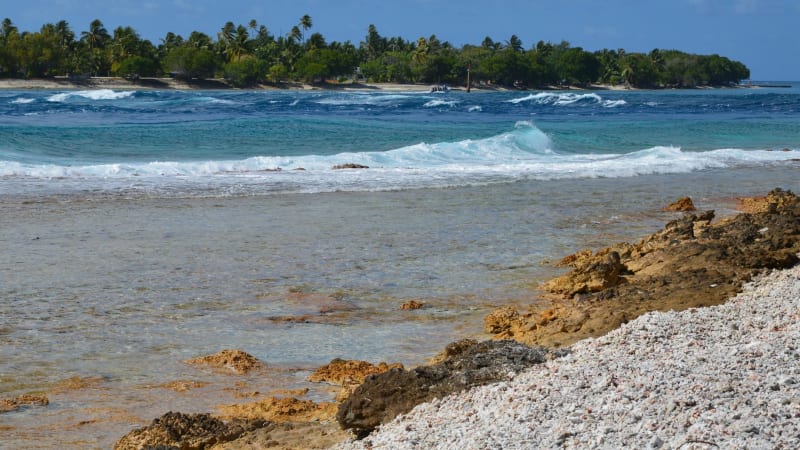 kiribati
 Abemama
The island where Robert Louis Stevenson spent months in 1889 — and where the reef is intact enough to justify its own pilgrimage.
Explore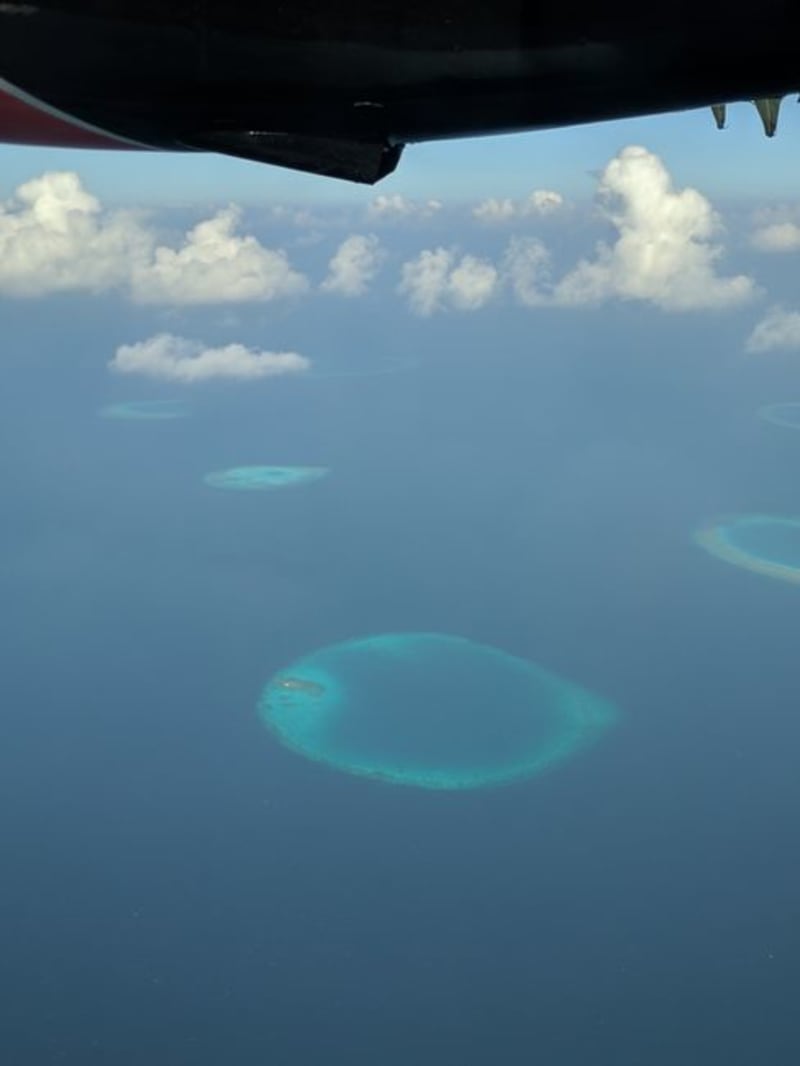 kiribati
 Aranuka
A quiet central Gilberts atoll with an oversized lagoon, historically used for copra and coconut crab, close enough to Abemama to feel like its calmer sibling.
Explore kiribati
 Arorae
The southernmost island in Kiribati, a cliff-edged reef with no lagoon at all, famous across the country for its finely woven mats.
Explore kiribati
 Banaba
A raised coral island scraped hollow by nearly eight decades of phosphate mining, where the land itself is the argument for what colonialism costs.
Explore kiribati
 Beru
The island where Christianity and literacy first took root in the Gilberts, still carrying the quiet authority of being first.
Explore