Makin
"The furthest north the Gilberts go, and the site of a raid most history books have already forgotten."
The northernmost atoll in the Gilbert chain, quietly beautiful and marked by a violent chapter of the Pacific war most visitors never learn about.
Makin sits at the very top of the Gilbert Island chain, close enough to Butaritari that the two are sometimes confused by people who haven’t spent time in this part of Kiribati, but the atoll has its own distinct character and its own strange piece of history that almost nobody I mentioned it to back home had ever heard of. In August 1942, U.S. Marine Raiders under Evans Carlson launched a submarine-borne commando raid on the Japanese garrison stationed here — the famous Makin Island Raid, intended partly as a diversion for the Guadalcanal campaign — and while the operation is a footnote in most general histories of the Pacific war, on Makin itself it’s a real and locally remembered event, with older residents able to point out where fighting occurred and where the small Japanese contingent had been based.
I found the physical remains of that history scattered and unmarked rather than curated — a crumbling concrete gun position half-swallowed by vegetation near one of the lagoon-side villages, a section of rusted metal that a local told me had been part of a Japanese landing structure. Nothing is signposted. There’s no museum. You need someone from the village to walk you to these places and explain what you’re looking at, which is exactly how I experienced it, guided by a man in his sixties whose own father had told him these stories directly rather than reading them anywhere.
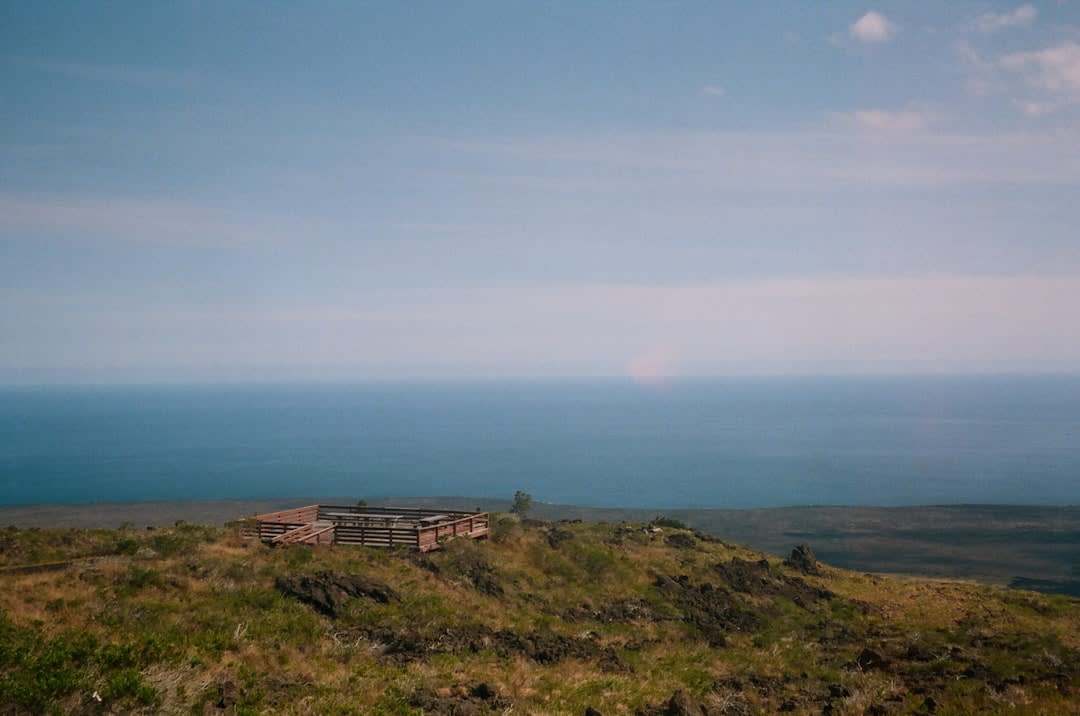
Set that history aside and Makin is simply one of the more peaceful atolls I visited — a substantial lagoon, good coconut plantations, a slower rhythm than even most of Kiribati’s outer islands manage. I spent an evening at a small gathering where an older woman sang songs in a style she said her grandmother had taught her, unaccompanied, her voice carrying easily across the open maneaba in the still evening air, and it was one of those moments that had nothing to do with the war history and everything to do with why I keep returning to these small, remote communities in the first place.

When to go: April through October for calmer inter-island transport. Flights and boats connecting through Butaritari are the most reliable route; arrange a local guide in advance if the WWII history interests you, since none of it is marked or explained on-site.
Keep exploring
More from Kiribati
 kiribati
 Marakei
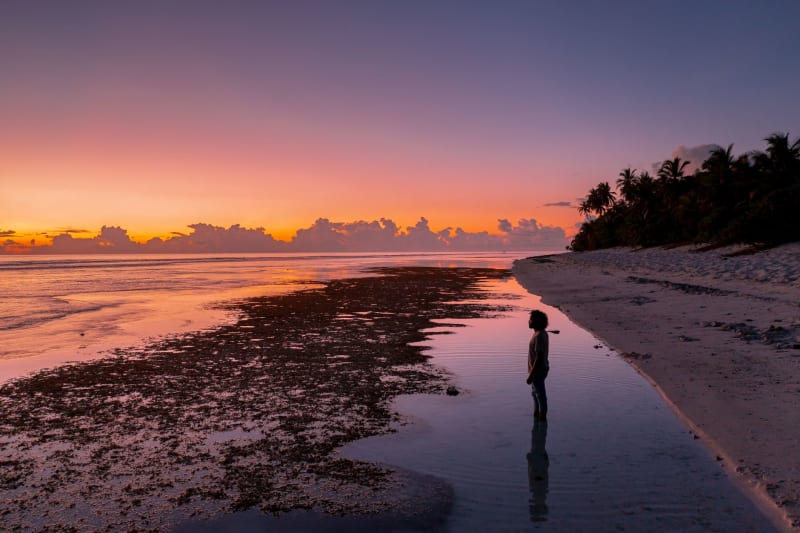
A remote circular atoll with no through-road — just a ring of villages connected by sand tracks and shared history.
Explore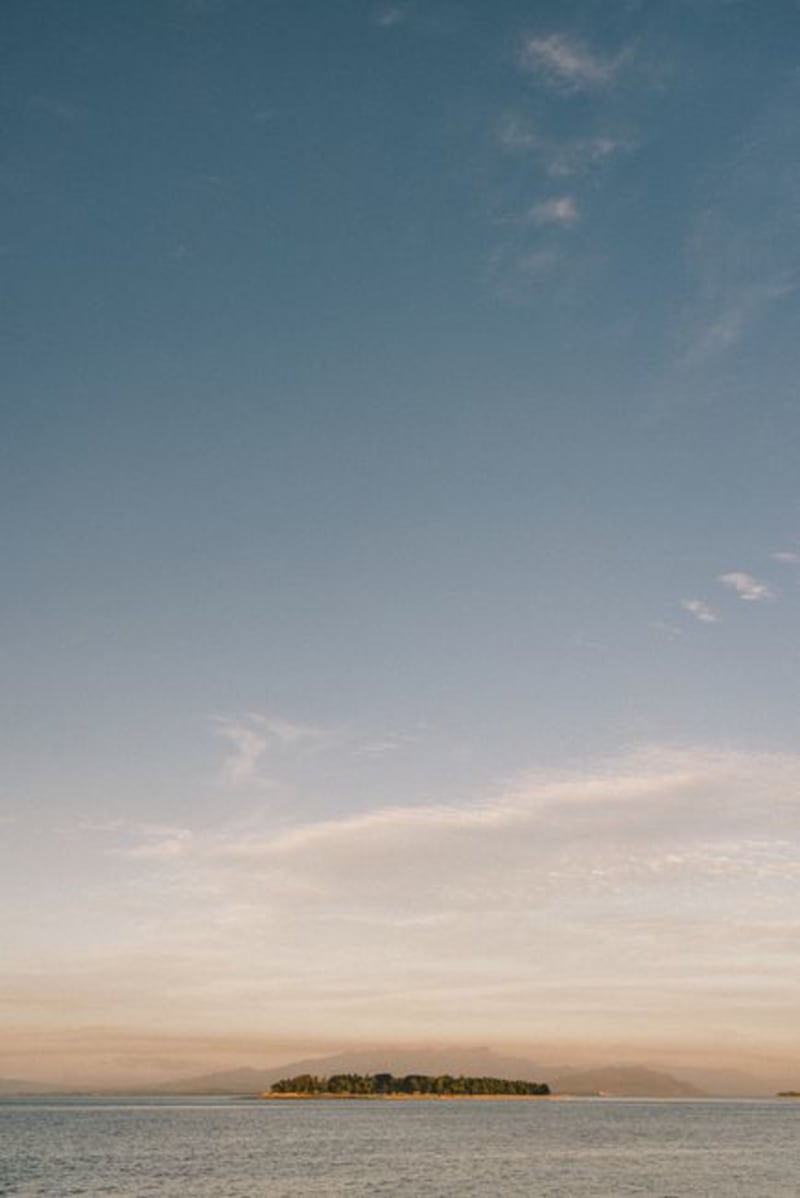 kiribati
 Nikunau
A reef island with no true lagoon, battered by open ocean on every side and holding some of the deepest oral traditions in the Gilberts.
Explore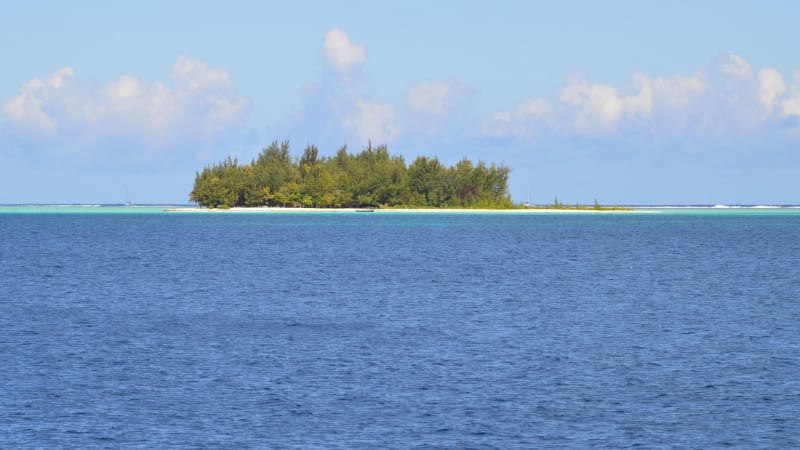 kiribati
 Nonouti
A remote lagoon atoll in the central Gilberts where the traditional te maneaba culture still operates as the architecture of daily life.
Explore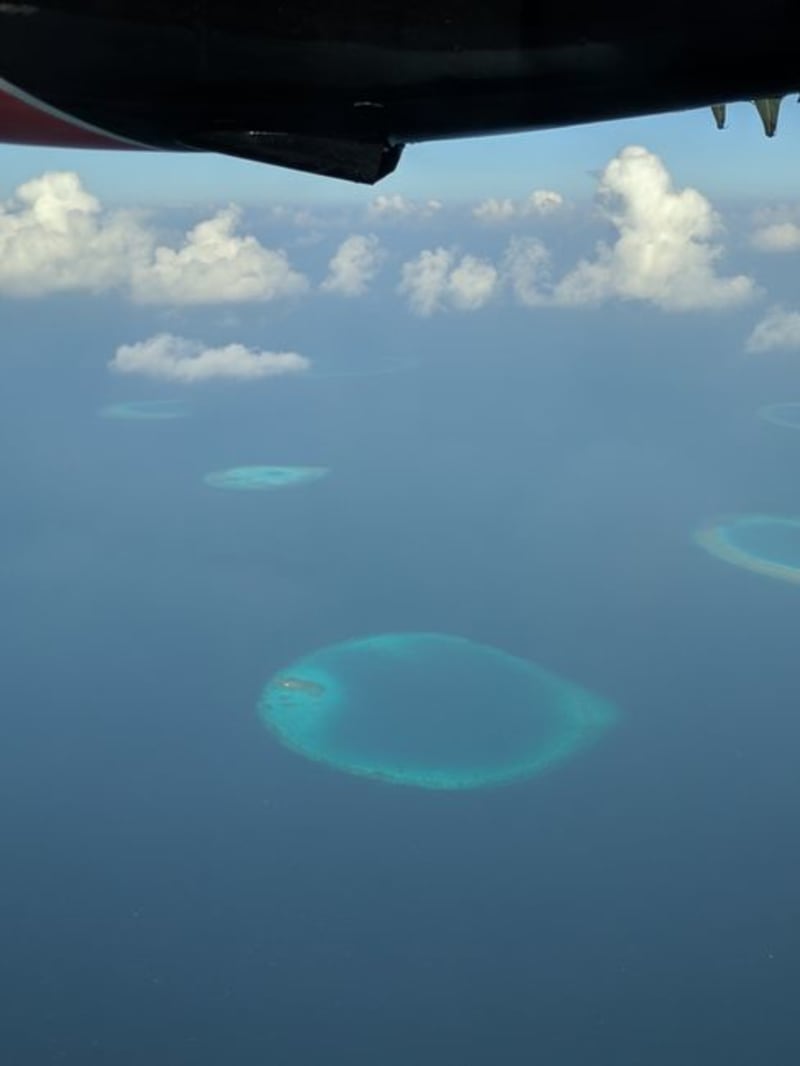 kiribati
 Onotoa
A narrow atoll split by two lagoons and held to some of the strictest traditional customs left in the Gilbert Islands.
Explore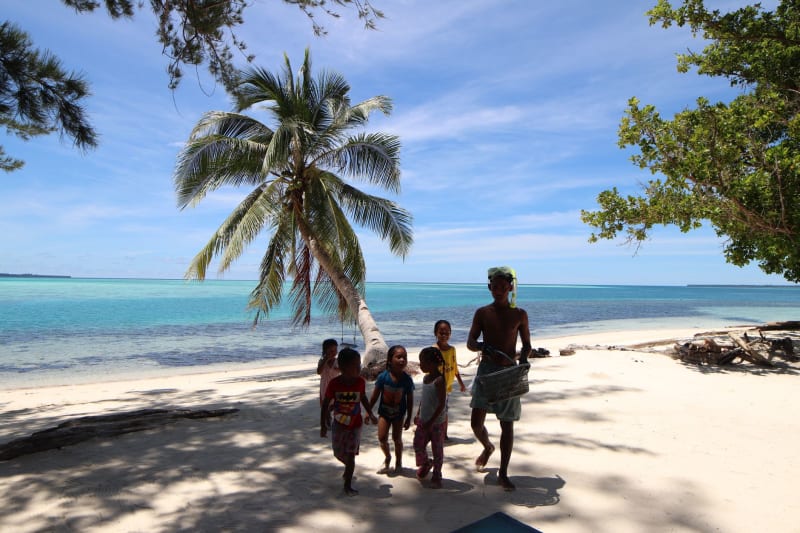 kiribati
 South Tarawa
A hundred thousand people crammed onto a sandbar no wider than a city block — chaotic, vital, and nothing like you expect.
Explore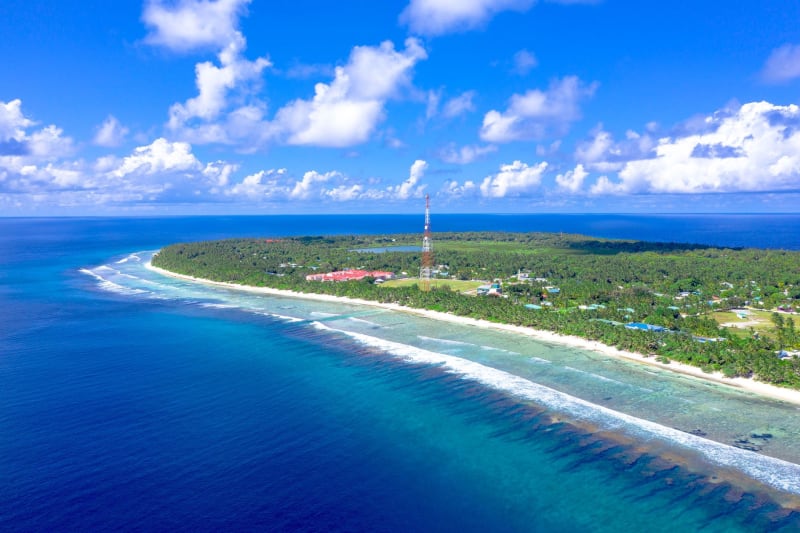 kiribati
 Tabiteuea
The longest island in the Gilbert group — conservative, proud, and divided by a channel that separates two distinct communities.
Explore