Beru
"Beru learned to read before almost anywhere else in the Gilberts, and it still argues like it remembers."
The island where Christianity and literacy first took root in the Gilberts, still carrying the quiet authority of being first.
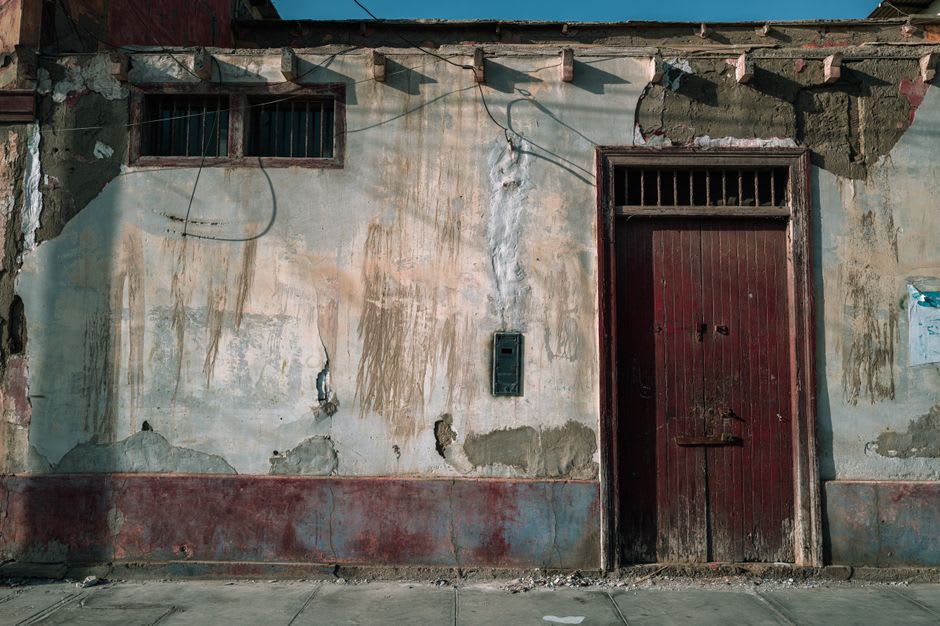
Beru carries itself differently than most of the outer islands I visited in Kiribati, and it took me a day or two to understand why. This is where the London Missionary Society established its first serious foothold in the Gilbert group in the 1870s, and Rongorongo village on Beru became, for a stretch of decades, the intellectual and religious center of the entire archipelago — the place where the Gilbertese language was first systematically written down, where the first pastors were trained, where literacy arrived before it existed almost anywhere else in this part of the Pacific. You feel that history in small ways: an unusual density of well-maintained churches, a local pride in oratory and debate that other islanders sometimes mention when talking about Beru people, a sense of a community that has always considered itself, correctly or not, a little more serious than its neighbors.
I spent an afternoon in Rongorongo talking with a retired teacher who walked me through the old mission compound, much of it still standing in weathered coral-lime plaster, and he made a point I hadn’t considered: that the missionaries who came to Beru got a foothold precisely because the island’s chiefly structure was fragmented enough to let outside religious authority establish itself without a single unified resistance. Whether or not that’s the full historical picture, it’s the story Beru tells about itself, and there’s something valuable in hearing a place narrate its own past rather than having it narrated for them.
Away from Rongorongo, Beru is much like its neighboring atolls — a long thin strip of land, a lagoon on the western side, villages connected by a single coastal track that floods at spring tides. I rode a borrowed bicycle the length of the island over two days, stopping wherever people waved me down, which was often. Kids practiced maneaba debate formats as a kind of game, mimicking the cadences of adult oratory with an accuracy that made the men sitting nearby laugh and correct them. Fishing off the reef edge at dusk produced a string of small reef fish that someone’s grandmother grilled over coconut husk coals without ceremony, handed to me on a banana leaf, gone in under a minute.
When to go: April through October for calmer inter-island boat and flight conditions. There’s a small government resthouse near Rongorongo; book through Tarawa in advance, as space is limited and often reserved for visiting officials.
Keep exploring
More from Kiribati
 kiribati
 Betio
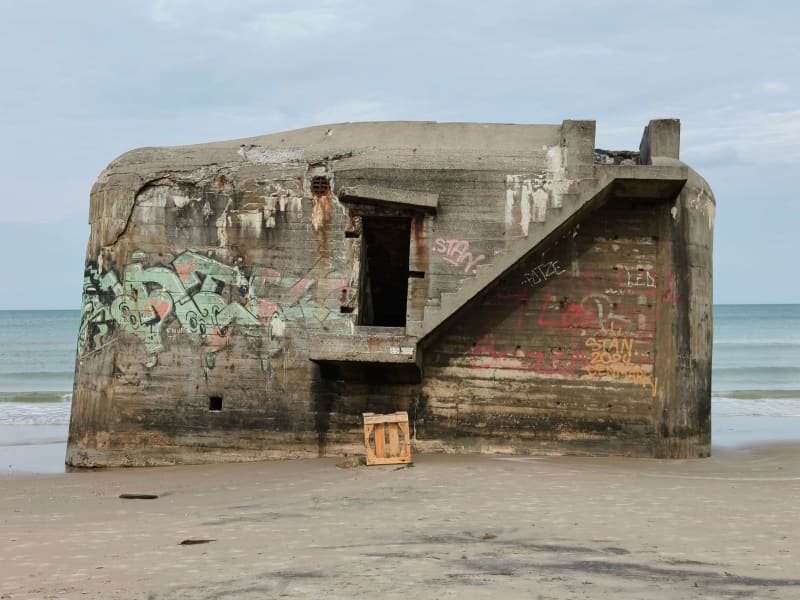
A WWII battlefield compressed into a fishing port — rust, coral, and the Pacific's indifferent tide covering what happened here.
Explore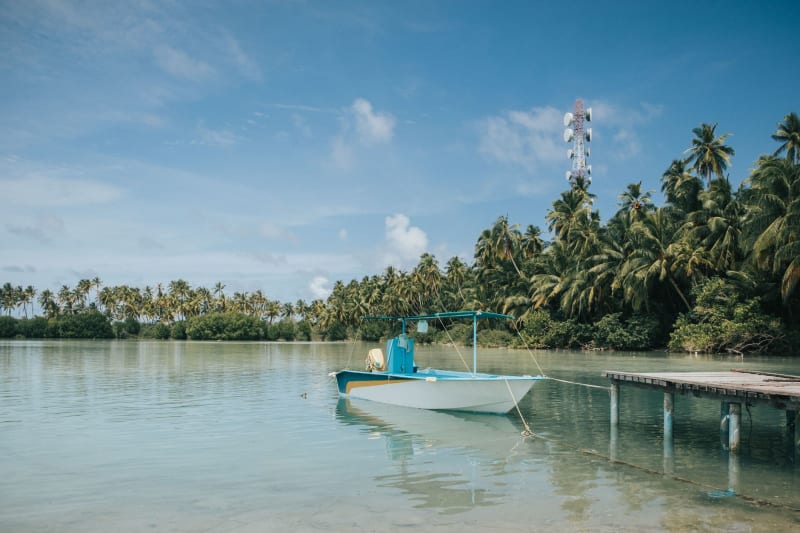 kiribati
 Butaritari
Kiribati's lushest atoll — more rainfall, more green, and a WWII raid that changed the Pacific war buried in its coconut groves.
Explore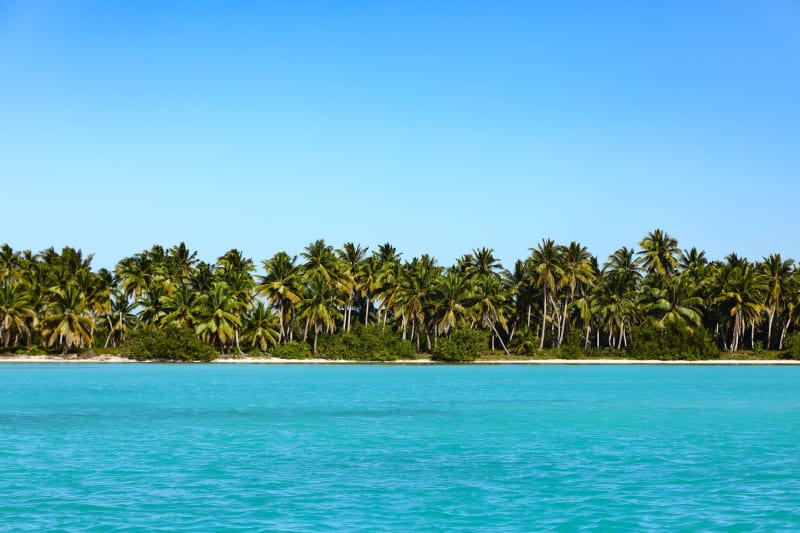 kiribati
 Kiritimati
The world's largest atoll by land area — a vast, flat island built for bonefish, seabirds, and the kind of silence that has mass.
Explore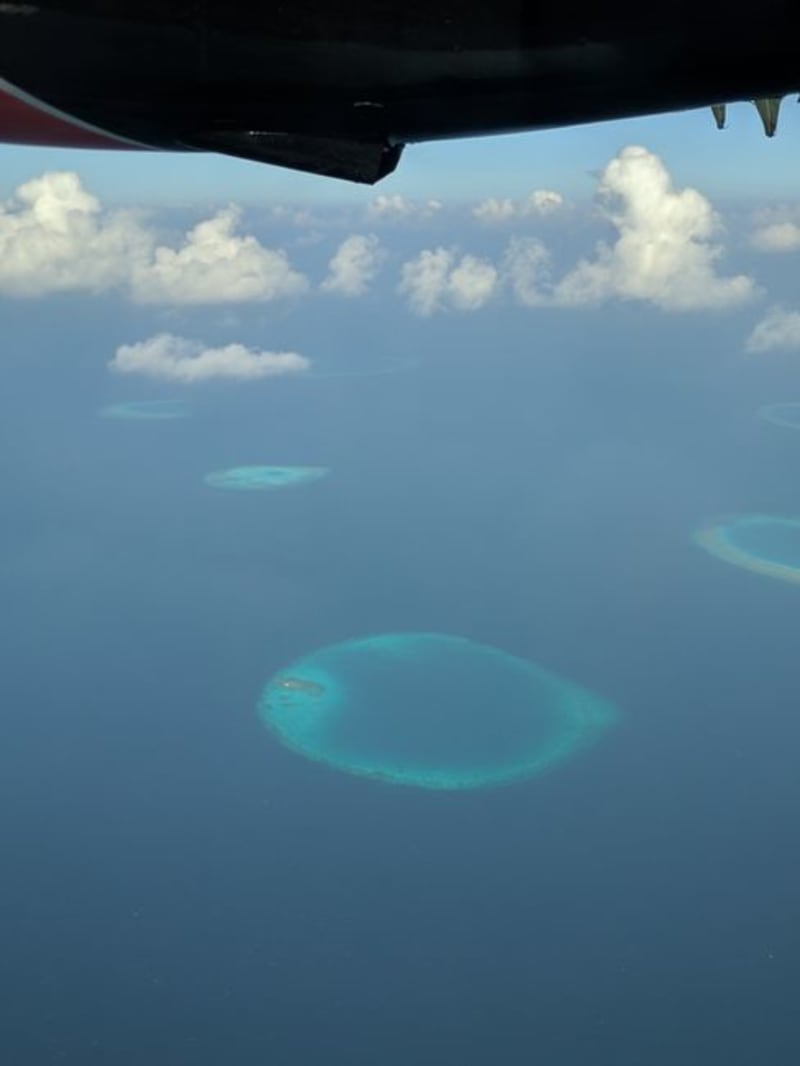 kiribati
 Kuria
A small, unhurried twin-islet atoll in the central Gilberts, joined by a causeway and known mostly to the people who already live there.
Explore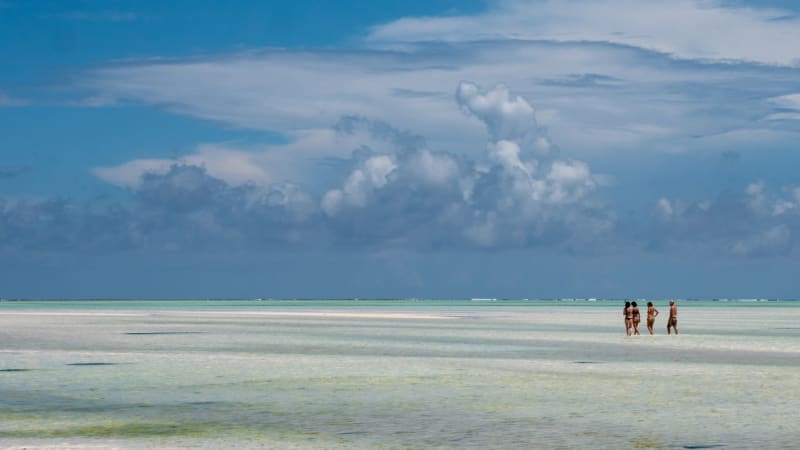 kiribati
 Maiana
A quiet atoll a short sail south of Tarawa, where the fishing is serious and the pace has not caught up with the capital.
Explore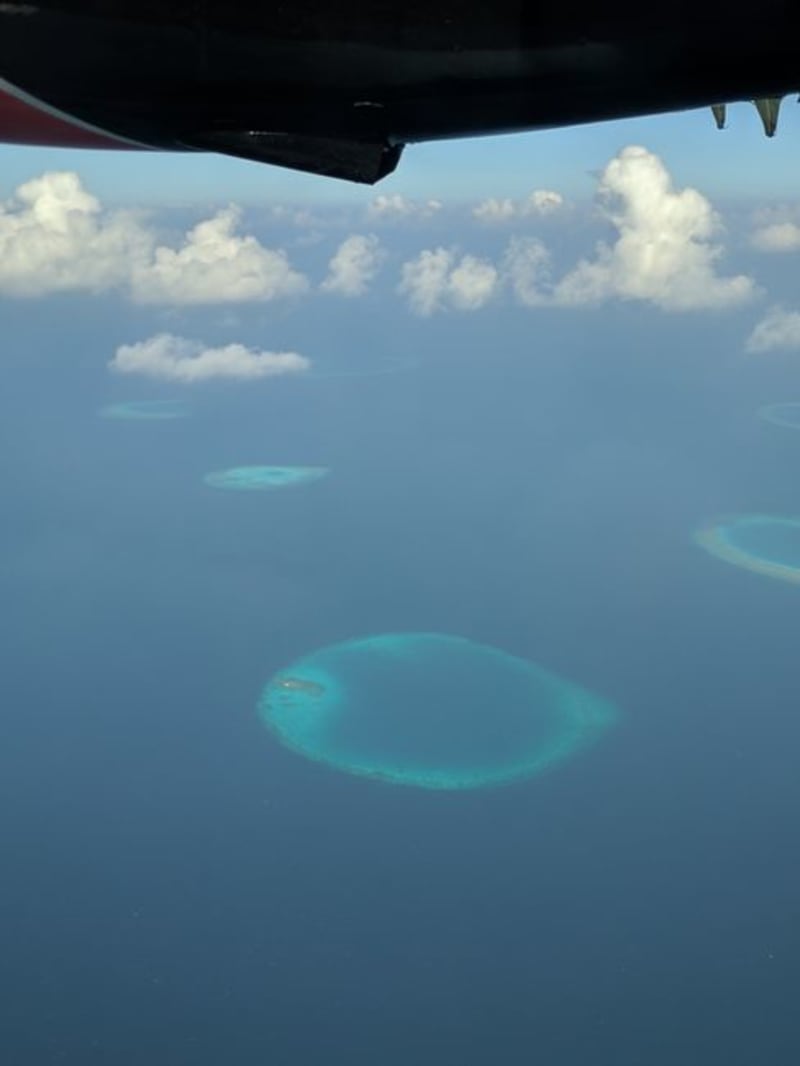 kiribati
 Makin
The northernmost atoll in the Gilbert chain, quietly beautiful and marked by a violent chapter of the Pacific war most visitors never learn about.
Explore