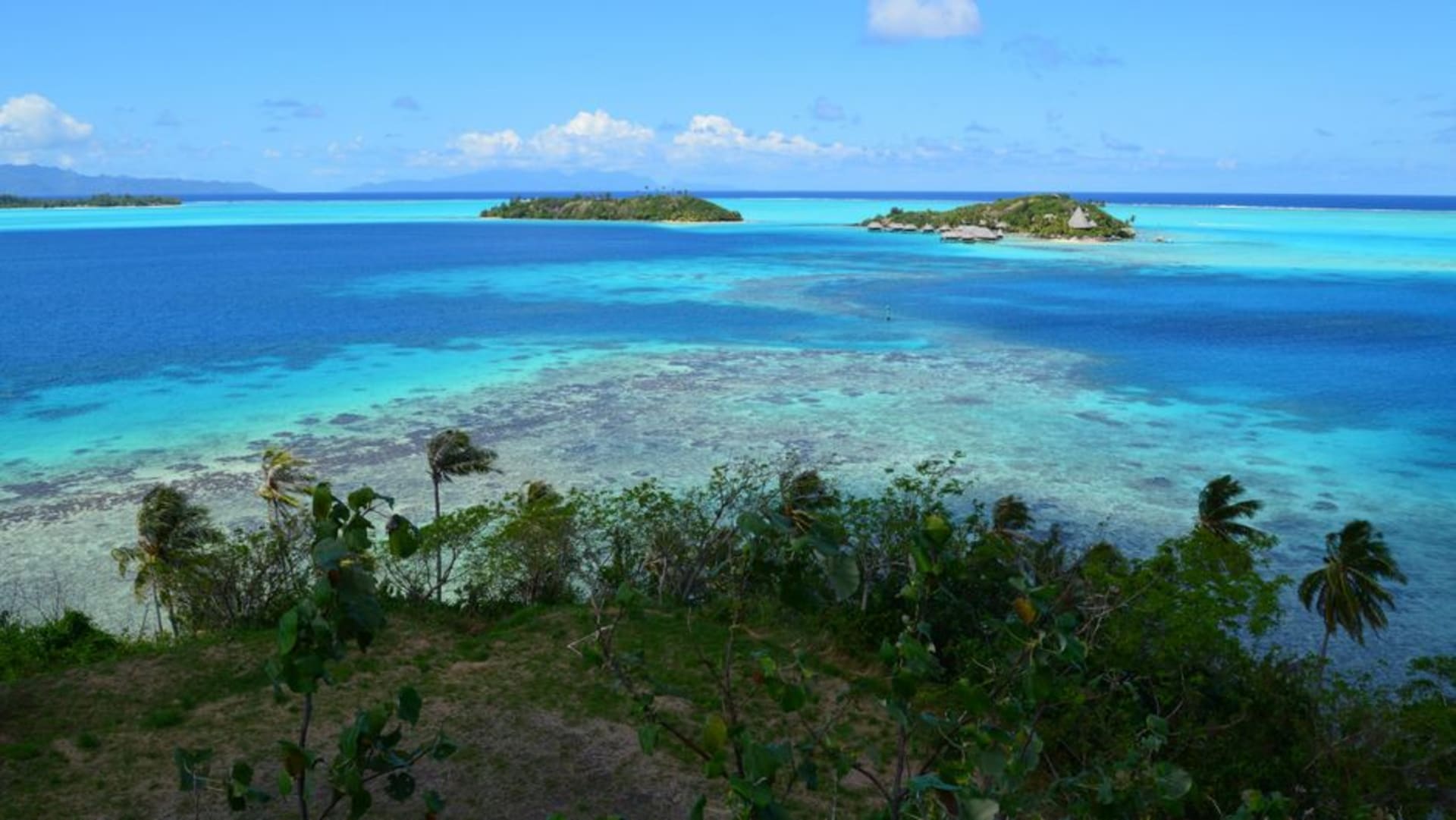
The southernmost island in Kiribati, a cliff-edged reef with no lagoon at all, famous across the country for its finely woven mats.
Getting to Arorae felt like reaching the actual edge of something. It’s the southernmost inhabited island in Kiribati, closer in spirit to the open ocean than to the rest of the Gilbert group, and like Nikunau it has no proper lagoon — just a narrow reef island with low limestone cliffs along parts of its coast, a genuine rarity in a country defined almost entirely by flat coral sand. I arrived on a small plane that seemed to spend more time circling for a clear approach than actually flying in a straight line, and when we finally touched down on the grass airstrip, half the village appeared to watch, because flights here are infrequent enough to count as an event.
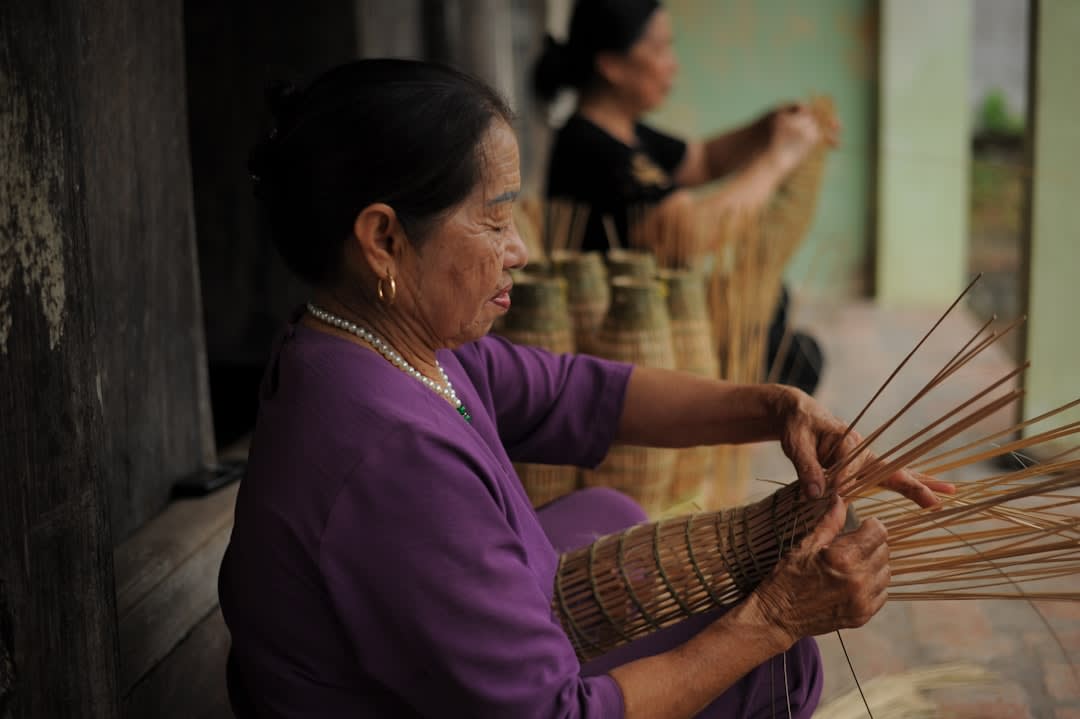
Arorae’s reputation within Kiribati rests heavily on its handicrafts, particularly te bwe — finely woven pandanus mats produced by the island’s women with a tightness and consistency other islanders openly admire. I sat with a group of women working under a shaded cook-house one afternoon, watching fingers move through pandanus strips with a speed that made the pattern seem to assemble itself, and was told that a well-made Arorae mat can take weeks of steady work and is still given as a significant gift at weddings and funerals across the country, regardless of where the recipient actually lives. The skill is passed down almost entirely through direct apprenticeship between women in the same family, no written instructions involved at all.
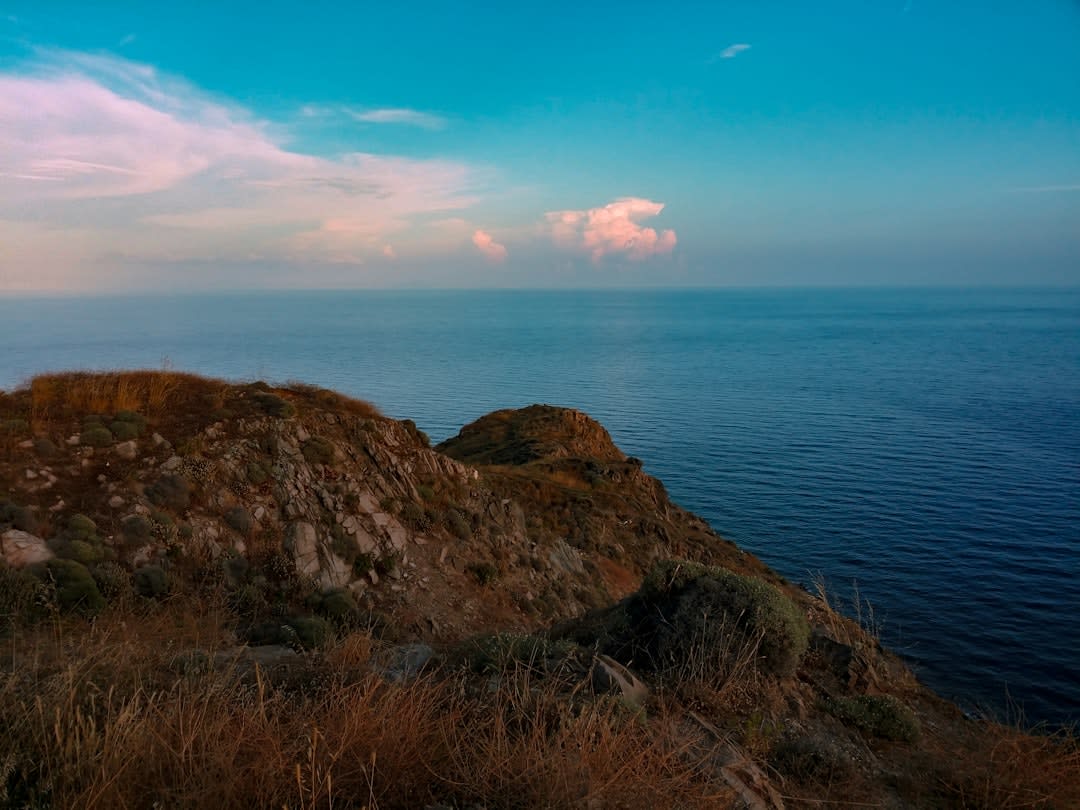
The island’s isolation also preserved something else — a set of whale-tooth ornaments and old shell tools that a local historian showed me in a small community collection, artifacts tied to a precolonial trading network that once connected Arorae to islands hundreds of kilometers away by canoe. Standing on the cliff edge at the island’s southern tip that evening, with nothing visible on the horizon in any direction and the swell working steadily against rock below me, it wasn’t hard to understand why people here talk about their island’s isolation as a source of pride rather than hardship.
When to go: April through October, when flights are more reliable — service to Arorae can be suspended for weeks at a stretch during the wetter season. There’s no formal lodging; a homestay arranged through Tarawa contacts is the only realistic option.