Aranuka
"Aranuka's lagoon is bigger than the island seems to deserve, and the island seems perfectly fine with that."
A quiet central Gilberts atoll with an oversized lagoon, historically used for copra and coconut crab, close enough to Abemama to feel like its calmer sibling.
Aranuka sits close enough to Abemama that boats regularly run between the two, and locals on both islands talk about them almost as a pair, though the personalities are noticeably different once you spend time in each. Where Abemama carries some literary weight from its Robert Louis Stevenson connection, Aranuka felt to me like the plainer, quieter of the two — a genuinely large lagoon relative to the size of the land around it, good coconut crab habitat in the bush interior, and a rhythm of life built almost entirely around fishing and copra rather than anything aimed at outside attention.
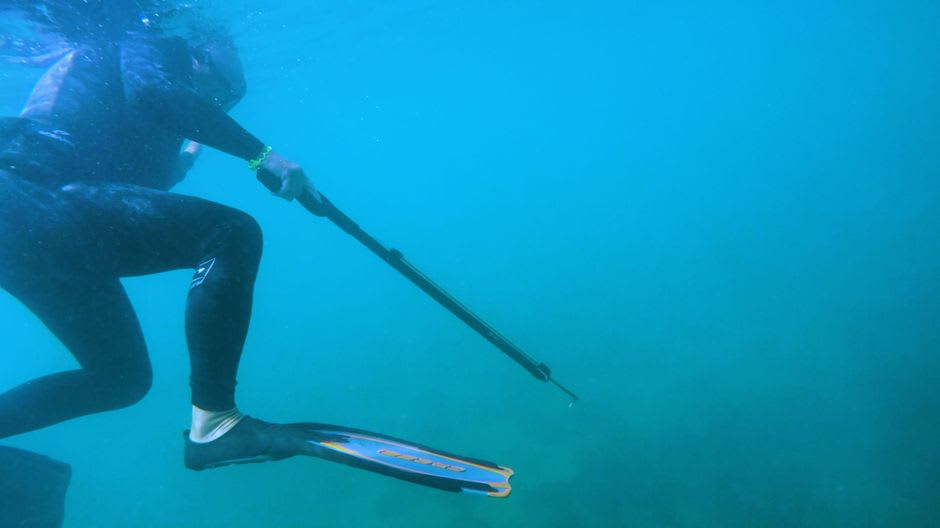
I arrived by a short boat hop from Abemama and spent my first afternoon simply walking the lagoon shore, which curves gently enough that from certain points you can see almost the entire circumference of the atoll’s inner water in one look — something that isn’t possible on most of Kiribati’s larger islands. A group of teenagers were spearfishing near the shallows using homemade goggles and hand-carved spears, working with an ease that made clear this wasn’t a special activity for them, just an ordinary Tuesday. They handed me a spear at one point, more out of amusement at how badly I’d do than any expectation I’d succeed, and I did in fact do badly, missing three fish in a row while they laughed without much cruelty.
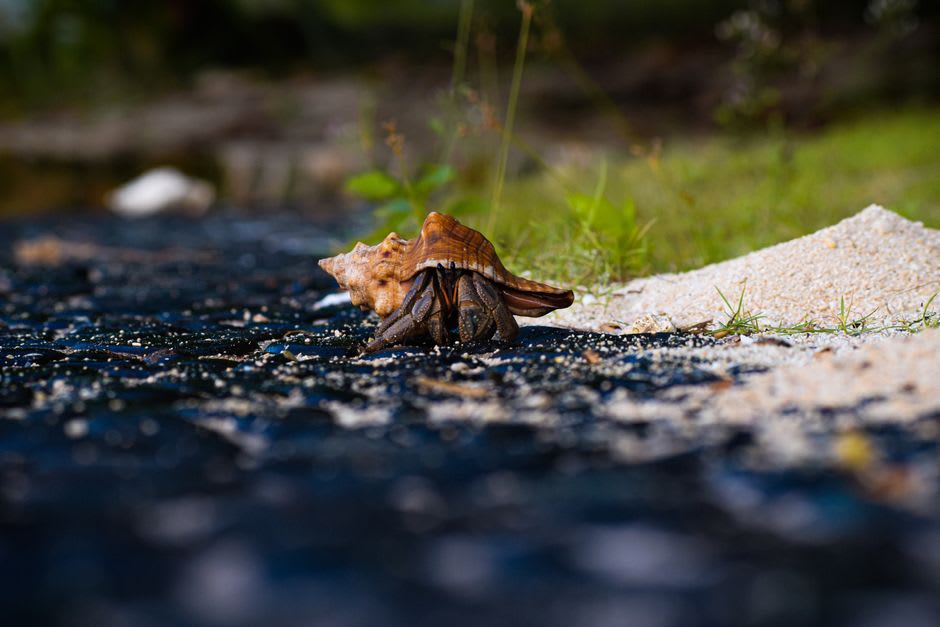
The bush interior of Aranuka is known locally for coconut crabs, the enormous land-dwelling crustaceans found across parts of the Pacific, and a man who ran a small informal operation gathering them for sale to Tarawa took me out one night with a headlamp to see how it’s done — slow, careful work in dense undergrowth, listening more than looking, since the crabs’ movement through dry leaves is often the first sign of where one is hiding. We found four in about two hours, which he said was a good but not exceptional night.
When to go: April through October for calmer boat travel. The short crossing from Abemama is the easiest way in; there’s no formal lodging, so arrange a homestay through Abemama or Tarawa contacts before you travel.
Keep exploring
More from Kiribati
 kiribati
 Arorae
The southernmost island in Kiribati, a cliff-edged reef with no lagoon at all, famous across the country for its finely woven mats.
Explore kiribati
 Banaba
A raised coral island scraped hollow by nearly eight decades of phosphate mining, where the land itself is the argument for what colonialism costs.
Explore kiribati
 Beru
The island where Christianity and literacy first took root in the Gilberts, still carrying the quiet authority of being first.
Explore kiribati
 Betio
A WWII battlefield compressed into a fishing port — rust, coral, and the Pacific's indifferent tide covering what happened here.
Explore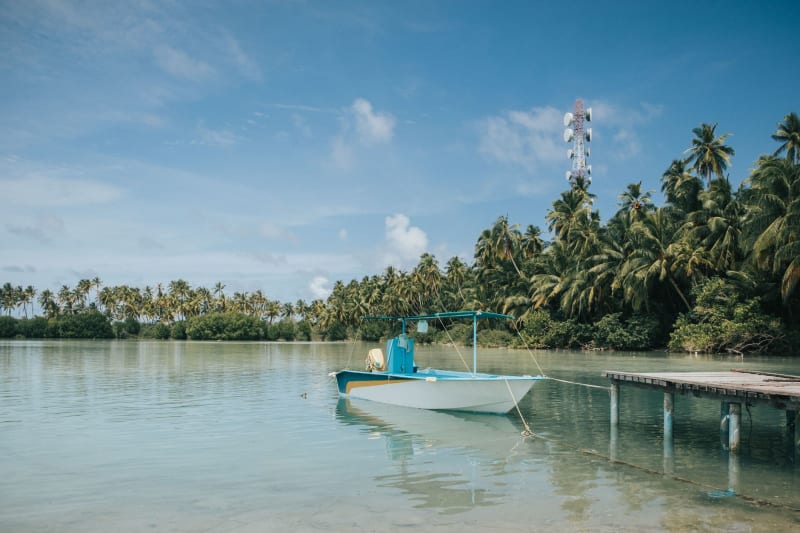 kiribati
 Butaritari
Kiribati's lushest atoll — more rainfall, more green, and a WWII raid that changed the Pacific war buried in its coconut groves.
Explore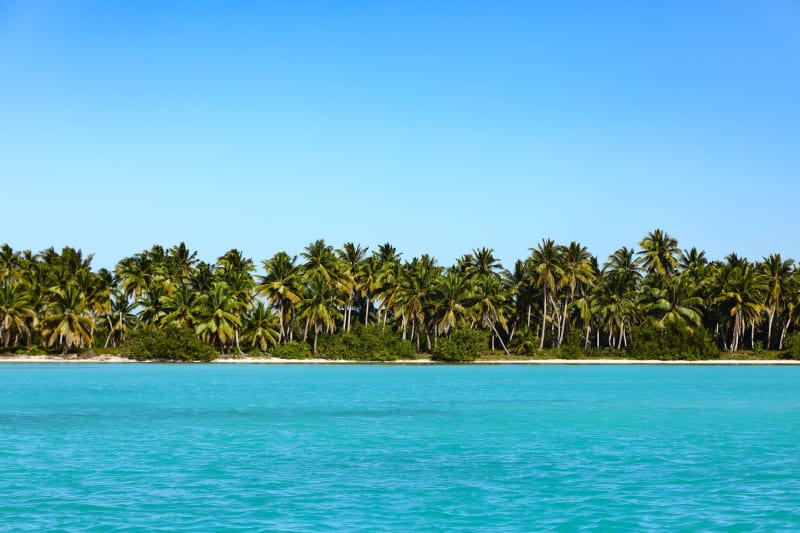 kiribati
 Kiritimati
The world's largest atoll by land area — a vast, flat island built for bonefish, seabirds, and the kind of silence that has mass.
Explore