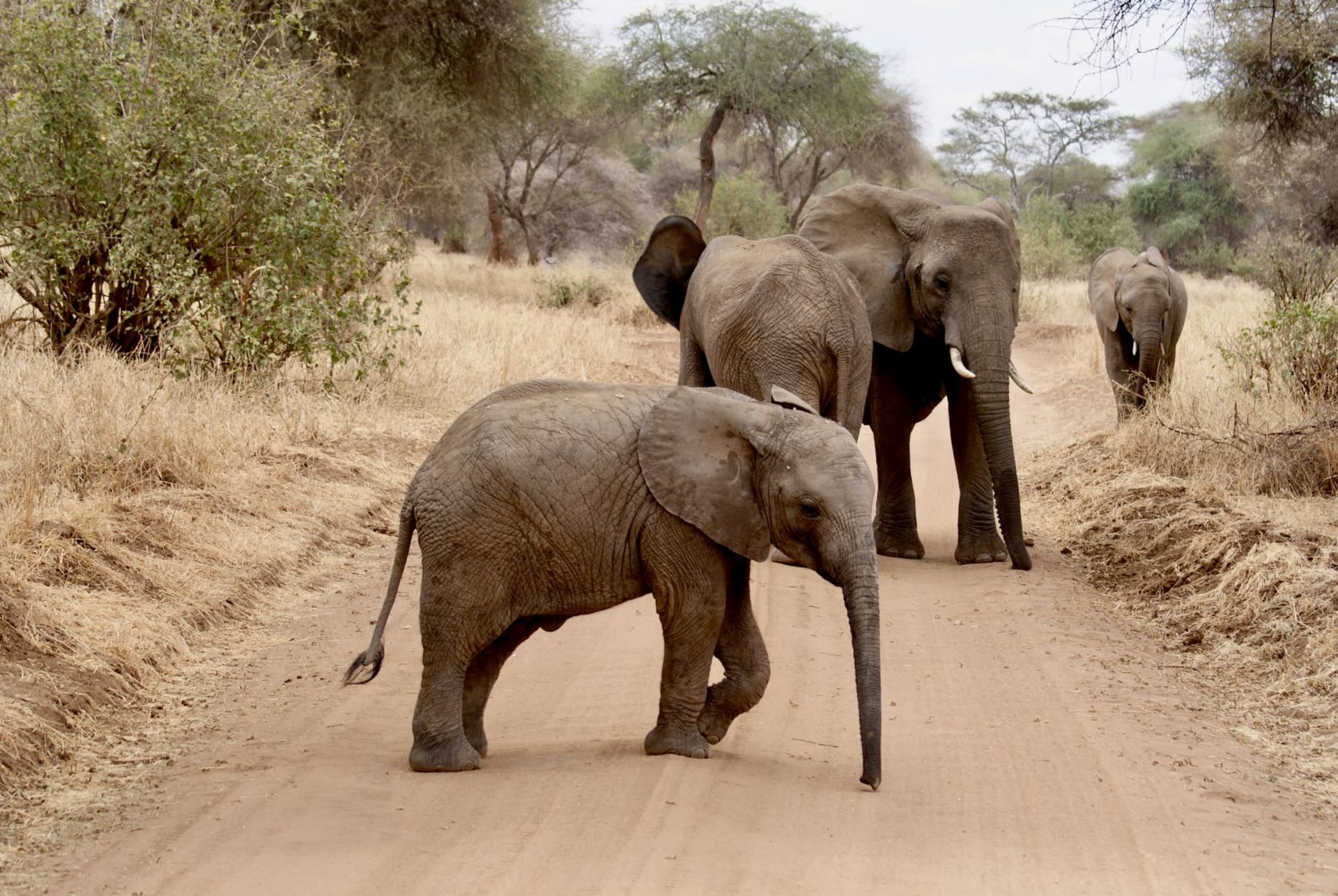
Mkomazi National Park
"We had a national park to ourselves for two days. I kept waiting for someone to tell us we'd made a mistake."
Everybody in this corner of Tanzania is pointed at Kilimanjaro, and rightly — it’s the whole reason most people are here. But after I’d watched too many exhausted trekkers stagger off the mountain at Marangu, I wanted something flatter and emptier, and someone at our guesthouse in Same mentioned Mkomazi. I’d never heard of it. That turned out to be the appeal. Mkomazi is a dry savanna park straddling the Kilimanjaro and Tanga regions, hard against the Kenyan border, and for two days we had it almost entirely to ourselves — a national park the size of a small country, and a single other vehicle the whole time.
Brought back from nothing
Mkomazi has a quiet, stubborn comeback story, which is most of why I loved it. For decades it was degraded by livestock and poaching, and the things that should have lived here were simply gone. Then it became a national park and the slow rehabilitation began. There’s a fenced black rhino sanctuary here — animals reintroduced and guarded around the clock, since a wild Tanzanian rhino is now a rare and precious thing. And there’s an African wild dog breeding and reintroduction program, working to put back one of the continent’s most endangered predators. You don’t see these animals casually. But knowing the project exists, and is working, gives the whole dusty landscape a sense of being tended rather than abandoned.
We saw oryx, which I associate with the desert and was startled to find here — fringe-eared oryx, with those impossible rapier horns. We saw gerenuk, the absurd long-necked antelope that stands on its hind legs to browse, looking permanently surprised. And lesser kudu, slipping through the acacia like rumours. The bird life was relentless; Lia, who keeps a list she pretends she doesn’t keep, added a dozen names in a morning.
The mountains all around
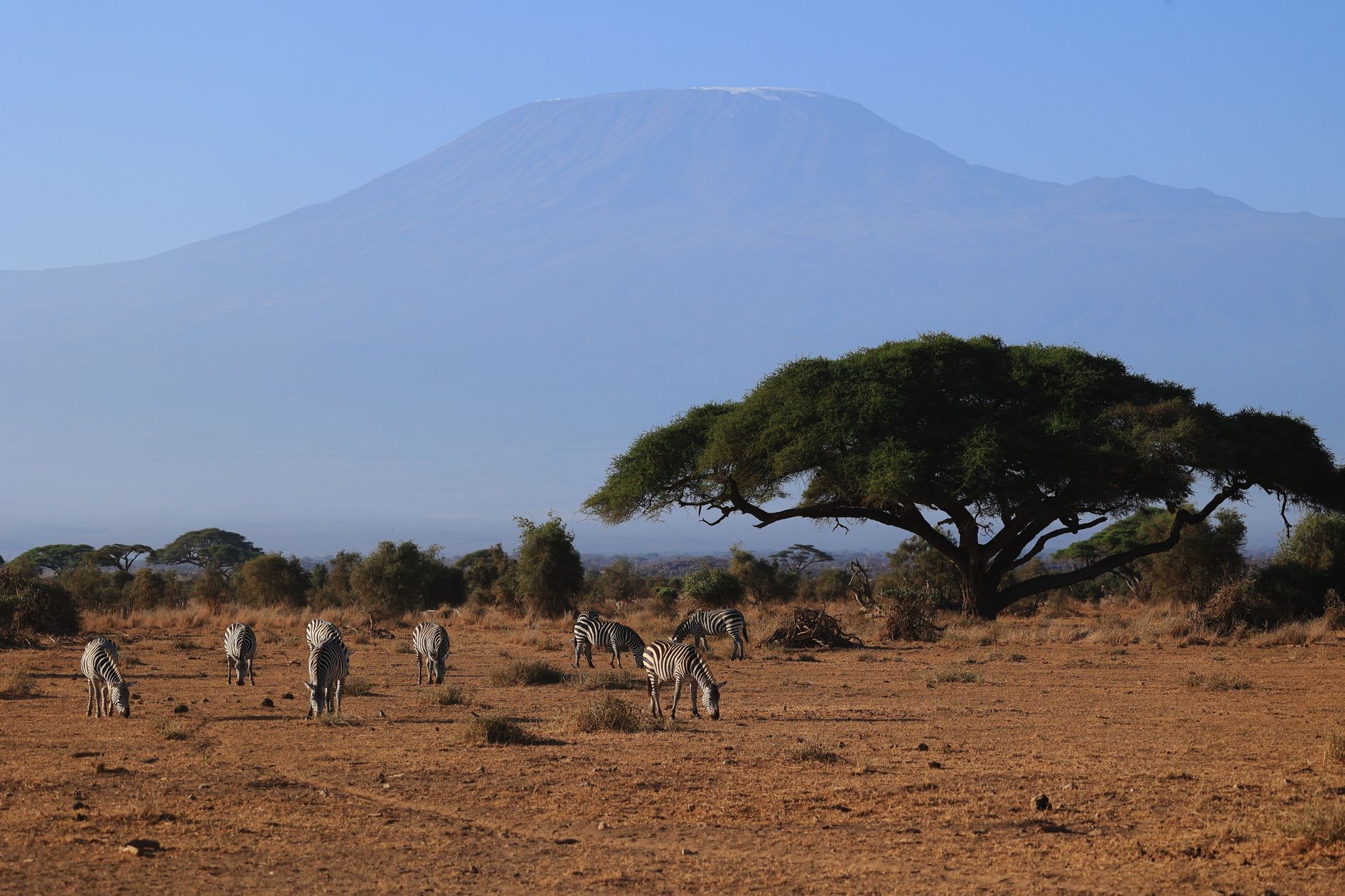
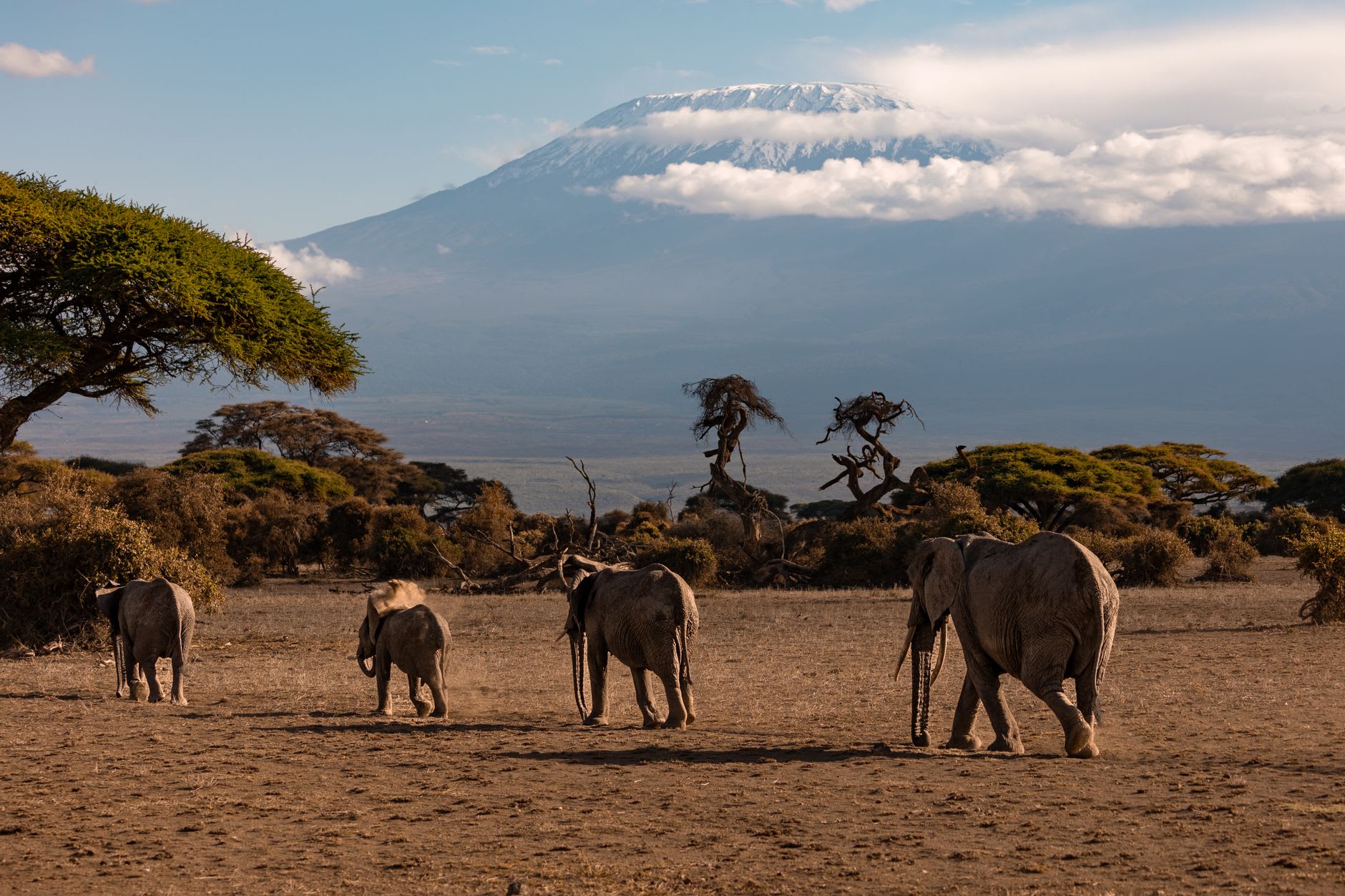
What makes Mkomazi more than just another dry savanna is the frame around it. The Pare Mountains rise along one side and the Usambaras loom beyond, and on a clear morning, improbably, the snows of Kilimanjaro float on the northern horizon, detached and impossible above the heat haze. We drove to a rocky outcrop at the end of an afternoon and the guide cut the engine and we just sat with a thermos of tea while the light went long and gold across the plain and a herd of elephant — there are elephants here too, fewer than they should be, but here — moved unhurried toward the treeline.
I won’t oversell it. Mkomazi is dry, the game is sparser than the big northern parks, and you work for your sightings. If you want a guaranteed lion every hour, go to the Serengeti and accept the convoy of jeeps that comes with it. But if you want the increasingly rare experience of a wild place that is genuinely quiet — where the silence at midday is total and a little unnerving, where you can believe for a couple of days that you’ve slipped through a gap in the itinerary everyone else is following — Mkomazi is a gift. We left reluctantly, and only because Kilimanjaro, eventually, has to be climbed.
When to go: The dry months from June to October and again from late December to February offer the best game viewing and the clearest mountain views, including Kilimanjaro on the horizon. The rains in March to May make the tracks difficult and the bush thick, scattering the wildlife.