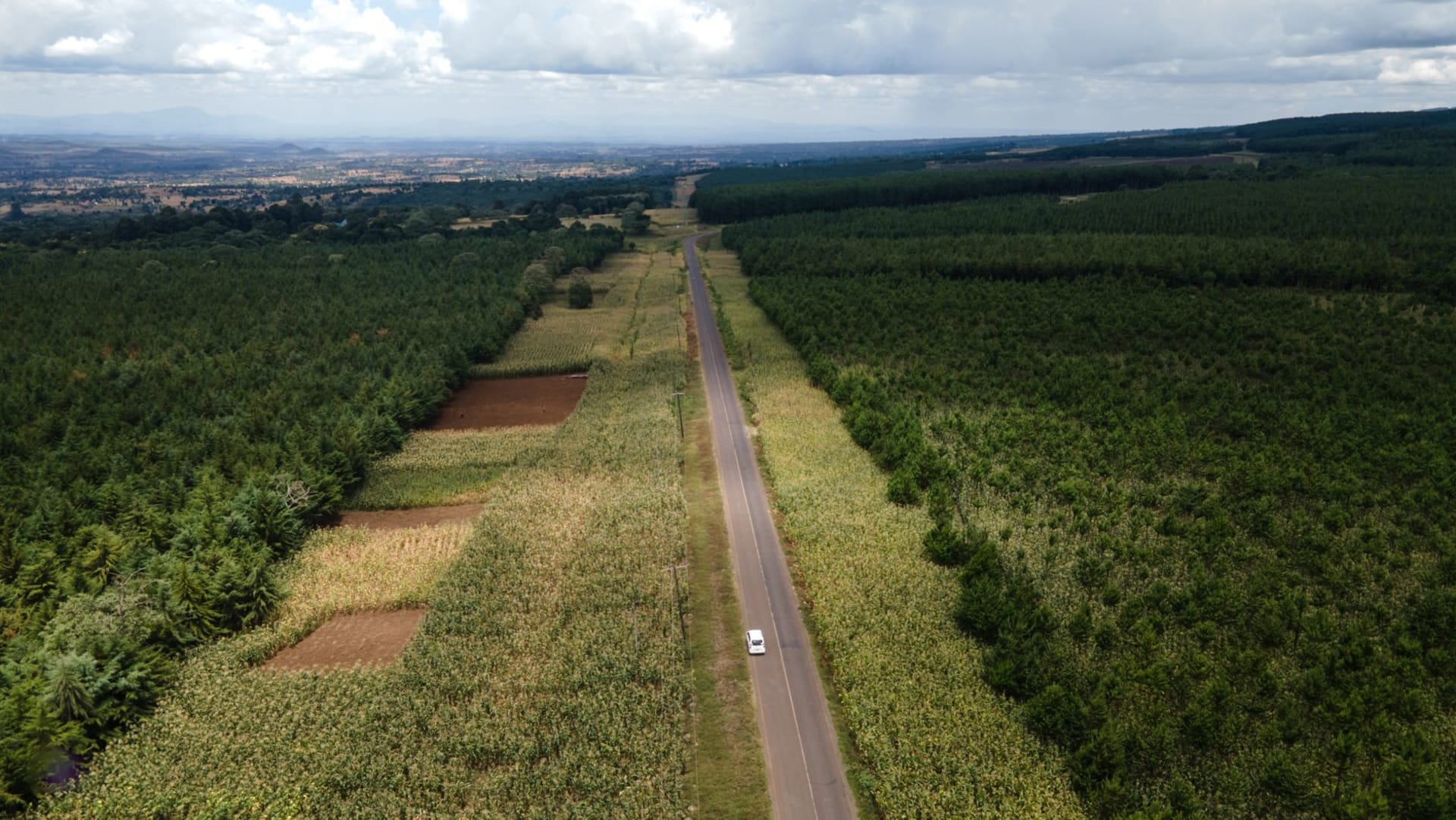
Materuni Waterfalls
"The spray hits your face before you hear it — the jungle keeps the waterfall's secret right until the last bend in the trail."
My guide Joseph walked faster than I expected for a man wearing flip-flops on a muddy path. We had left the village of Materuni just after eight in the morning, the air still cold in the way that high-altitude equatorial mornings have — cold not in a northern European sense but cold in the way a glass of water is cold, just enough to make you grateful for it. The trail wound immediately into a green so dense it felt architectural. Banana leaves as wide as bed sheets filtered the light. The smell was something I kept trying to identify: part wet earth, part something floral and faintly medicinal that Joseph eventually told me was cardamom. He pointed to clusters of small green pods hanging from low plants at the trail’s edge. I had been walking through a spice garden without knowing it.
Materuni sits on the southern slopes of Kilimanjaro at around 1,800 metres, a Chagga farming village that most visitors to the mountain drive past on their way to the Marangu or Machame gates. The waterfall trail takes between two and three hours round trip, depending on how long you linger. Joseph had been leading the walk for twelve years and still paused at every viewpoint with the unselfconscious pleasure of someone who has not yet taken the view for granted. Through the gaps in the canopy, Kilimanjaro’s summit appeared and disappeared depending on cloud and angle — sometimes a white flash, sometimes just a grey suggestion against a bluer grey.
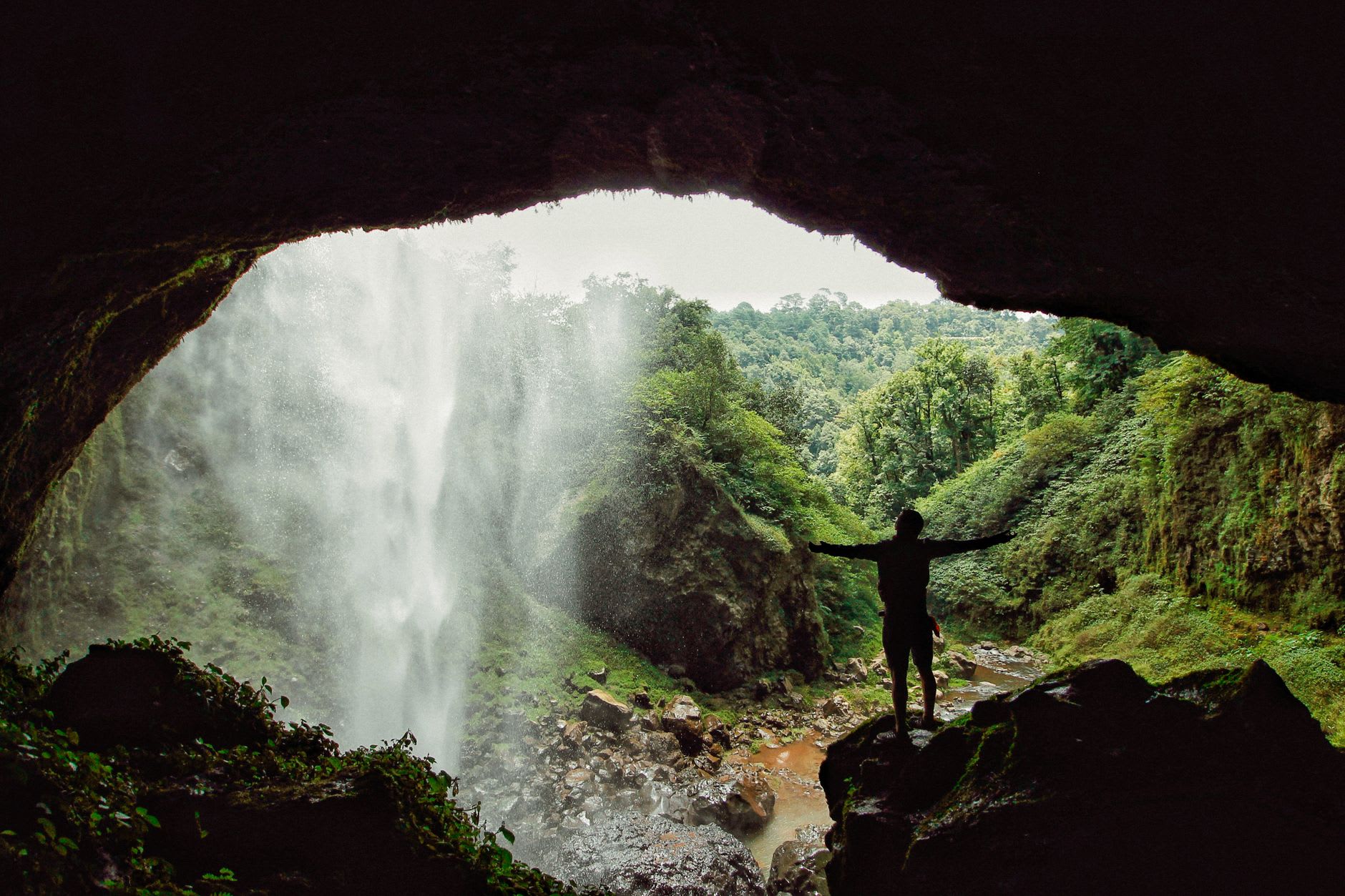
The sound reaches you before the sight does. A low roar that starts as something you might confuse for wind in the canopy, then deepens and grows specific as the trail drops toward the river canyon. The waterfall drops about ninety metres into a pool of such cold clarity that the stones at the bottom seem closer than they are. We sat on boulders at the pool’s edge and ate mandazi — the slightly sweet Tanzanian fried dough — that Joseph’s wife had packed in a cloth bag. The mist from the falling water drifted over us in periodic cool waves. A kingfisher, improbably blue, sat on a rock in the middle of the pool for a long moment and then was gone.
The coffee ceremony on the way back was the detail that turned a good hike into something I think about often. Joseph’s family grows coffee on a small plot near the village, and at a clearing with a view north toward the mountain he built a small fire and roasted beans in a blackened pan, stirring them by hand until the smell became the smell of the entire southern hemisphere. The coffee was served in small cups with fresh ginger and without milk, the way Chagga people have been drinking it for generations. It tasted like something that had been earned rather than purchased, which is the best way coffee can taste.

The walk back through the banana plantation was quieter. I asked Joseph whether he had ever climbed to the summit. He said yes, twice — once as a porter at age twenty and once two years ago with his eldest son. The second time, he said, was for different reasons than the first. The first time he was carrying someone else’s bag. The second time he was carrying his own memories of doing it the first way, and that weight, he said, was harder.
When to go: The trail is walkable year-round but at its best during the dry months of January through March and June through October. After heavy rain the path turns slippery and the river can run too high and loud to allow comfortable access to the pool. Book with a village guide in Materuni rather than through a Moshi agency — the price is lower and the money stays in the community.