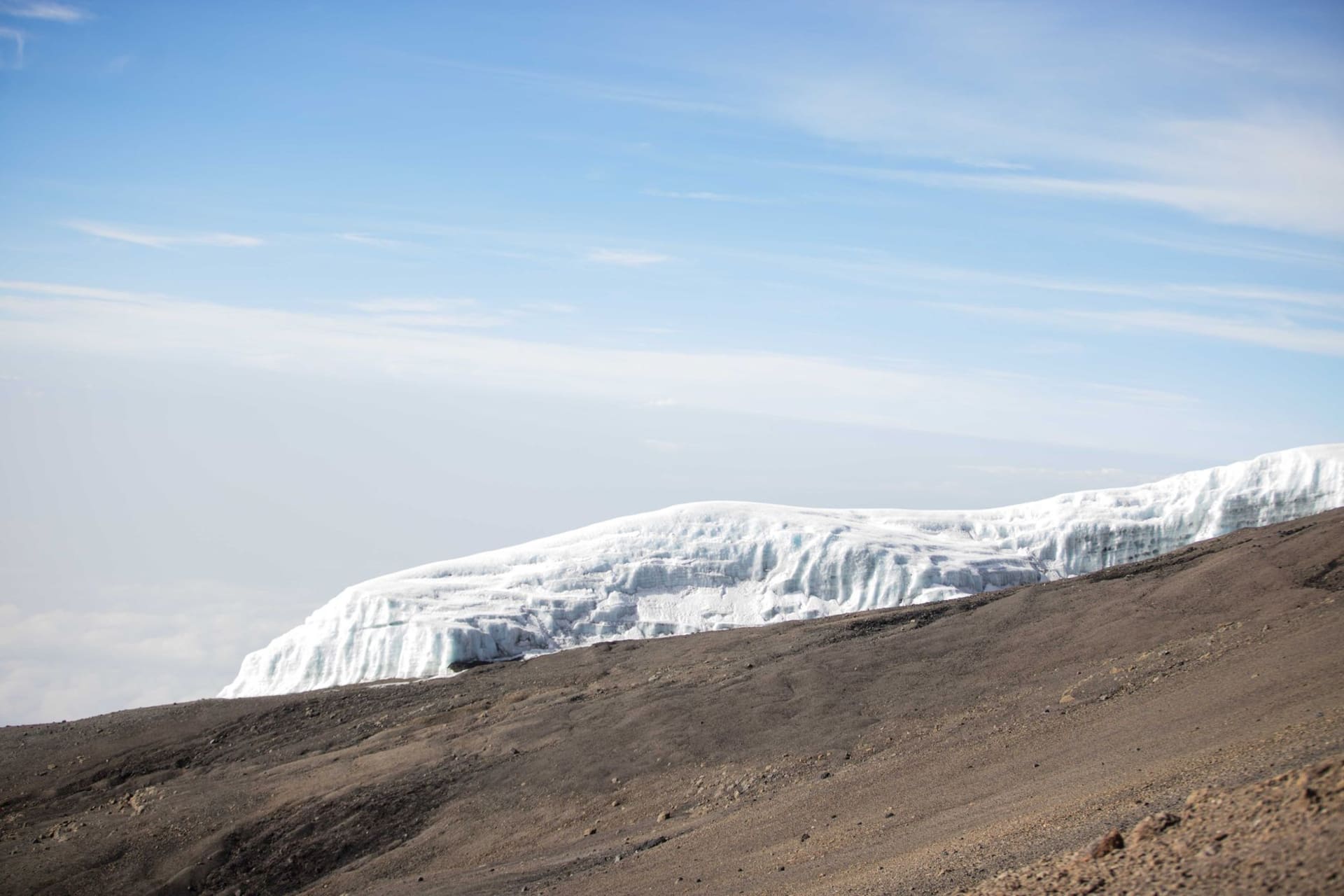
Machame
"Every porter I met on the Machame route was carrying more than I owned — and moving faster than I was without the pack."
We arrived at the Machame gate at six forty-five in the morning and it was already chaos in the best possible sense. Porters were loading metal food boxes onto their heads with a practised efficiency that made our frantic buckle-checking look like a performance of anxiety. Park rangers with clipboards processed registration papers at a desk inside a wooden building. A cook from our crew had somehow already produced a thermos of ginger tea, which appeared at my elbow at exactly the moment I most needed it. The air smelled of eucalyptus and cold soil and something resinous from the forest above.
Machame village sits below the gate, scattered along a ridge above the plains. You pass through it on the forty-minute drive up from the Arusha-Moshi highway — a village of small farms and corrugated rooftops and banana trees leaning over the road in the early morning dark. The village is not set up for tourism in any significant way, which is part of its appeal. The economy here is agricultural: coffee, banana, maize planted in the volcanic soil that Kilimanjaro has been depositing on these slopes for millions of years. What tourism there is filters through in the form of pre-dawn vehicle convoys and the daily spectacle of porters moving in both directions on the route above.
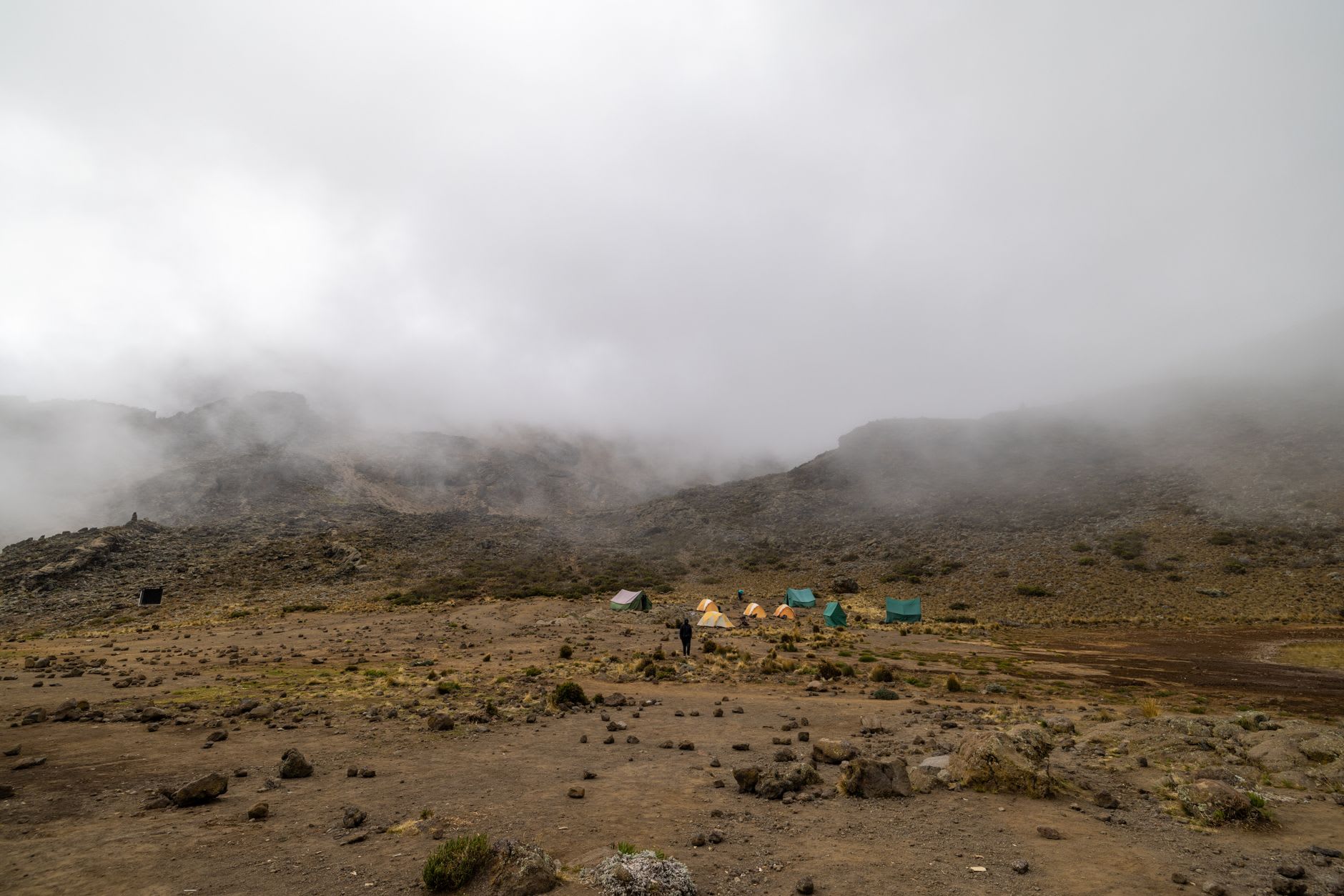
The first hours of the Machame route are through a forest so alive it feels like breathing. Giant tree heathers draped in old man’s beard lichen. Colobus monkeys conducting their morning business overhead with the indifference of creatures who have decided that humans are neither threat nor interest. The path is steep almost immediately — the Machame route’s reputation for difficulty is earned early — and the combination of altitude and gradient means that even fit people find themselves breathing differently, paying more attention to each step than they usually do on flat ground. I found this meditative in a way I hadn’t anticipated. The forest demands presence.
What the Machame route is called the Whiskey route — as opposed to Marangu’s Coca-Cola — says something true about its character. It is harder, longer, more varied, more beautiful. It passes through every climatic zone of the mountain: forest, moorland, alpine desert, the lunar landscape of the summit crater rim. The village at its base has absorbed this identity without particularly celebrating it. There is no Whiskey Route pub or summit memorabilia shop. There are fields and chickens and children walking to school along the same road that Land Cruisers full of expedition gear navigate in pre-dawn dark.
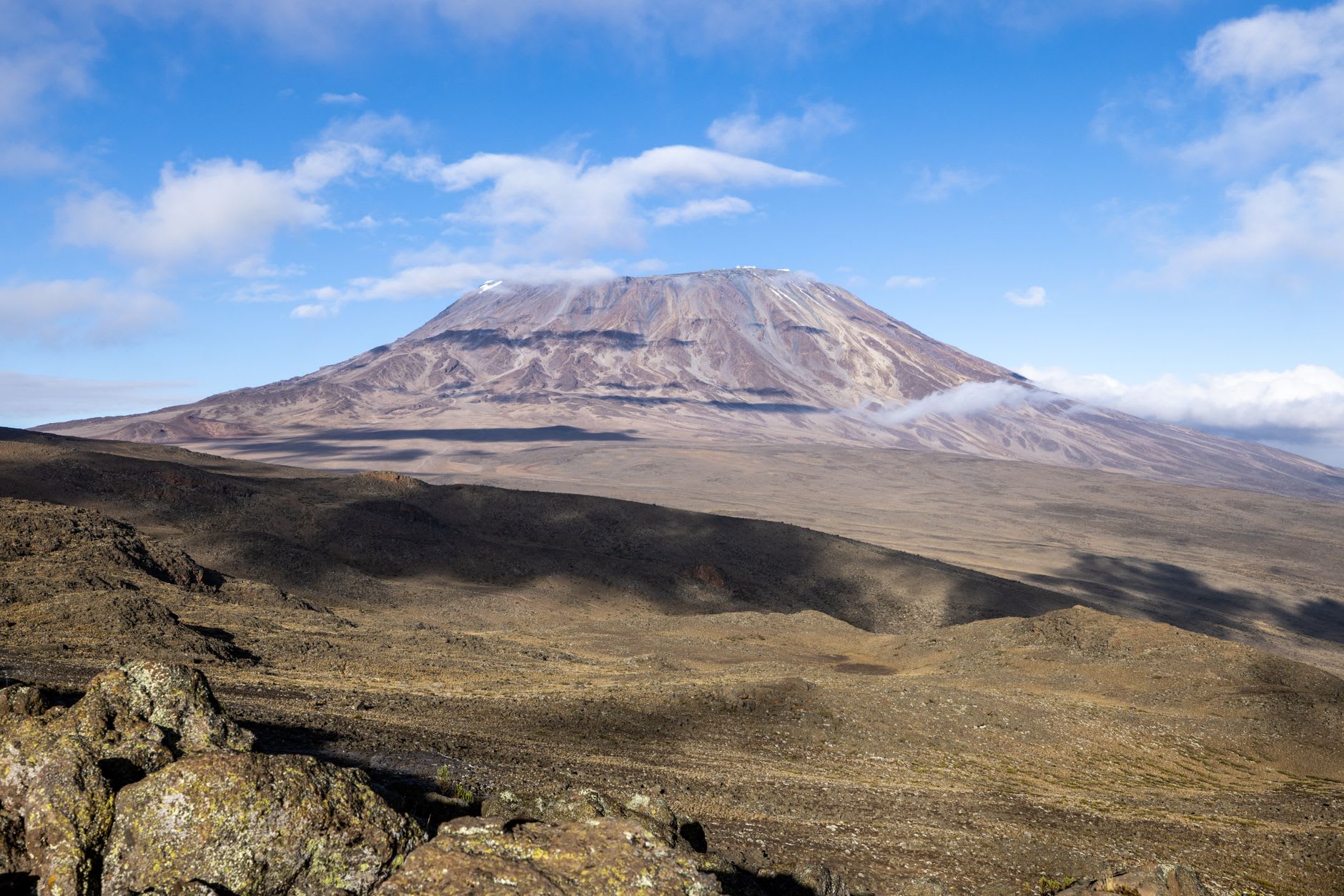
On the evening before our summit attempt, I sat outside the third camp and watched the sun go down over the plains below. From 3,800 metres, the whole of northern Tanzania was visible — a brown and gold immensity stretching to what I assumed was Arusha and beyond it, the Ngorongoro highlands. The Machame valley was a dark cleft in the mountain’s side far below. Somewhere in that cleft was a village where people were eating dinner and feeding animals and not thinking about the summit at all. That felt like a reasonable approach to take.
When to go: The Machame route is best attempted during the dry seasons — January through March and June through October. July and August are the busiest months on the route; January through March offers the same good weather with notably fewer climbers. Allow six to seven days for the ascent to ensure adequate acclimatisation. The village itself can be visited year-round as part of a drive up to the gate or a forest day walk.