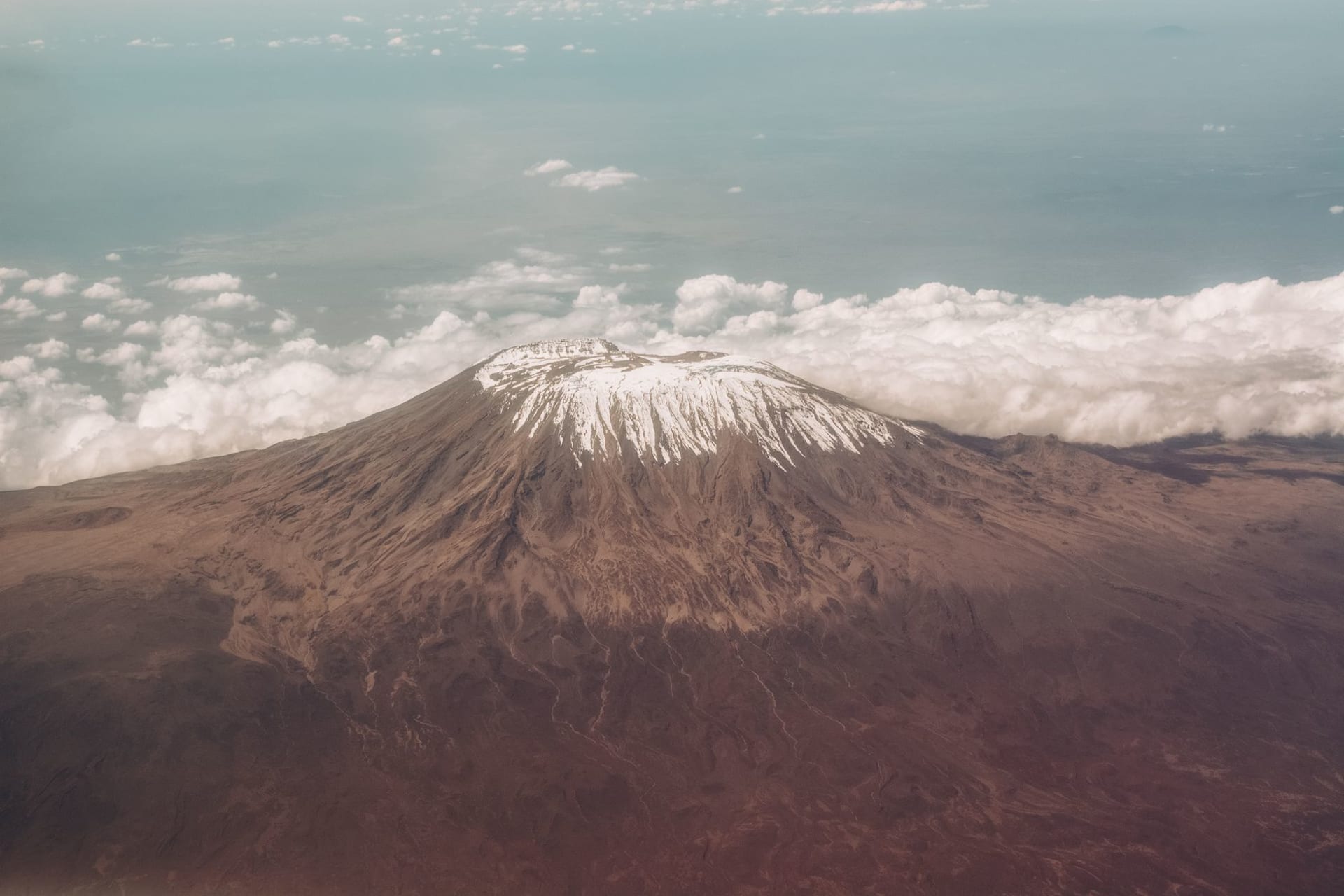
Lake Chala
"You don't stumble onto Lake Chala — you earn it, which is exactly why it feels like it belongs to you."
The last stretch of road to Lake Chala is rough enough to make you question the decision. A corrugated dirt track through sugar cane fields east of Moshi, then a sharper rise into dry acacia woodland, the landscape becoming stranger and more remote with every kilometre. I had hired a motorcycle from Moshi — a decision that made the journey faster than any car I could have chartered and considerably less comfortable — and by the time the track ended at a small car park of crushed red laterite, my bones had their own opinions about East African road maintenance. Then I walked to the rim and looked down, and the discomfort left my body the way it does when something truly unexpected happens to your vision.
Lake Chala sits inside a volcanic crater on the border between Tanzania and Kenya, roughly thirty kilometres east of Moshi. The crater is almost perfectly circular — it looks as if the earth decided to measure itself at this precise point. The lake itself fills the crater to within a hundred metres of the rim, its colour a deep cobalt blue that does not change with the light in the way that other water does. It simply stays that blue, as if committed to it. The cliffs drop sheer to the water’s edge, covered in greenery where moisture has collected in the rock. A visible current circulates on the surface from underground springs fed directly by Kilimanjaro’s snowmelt seeping through the volcanic rock.
The descent to the water is a switchback trail cut into the crater wall, forty minutes of careful footing on loose volcanic scree. At the bottom the silence is extraordinary. The rim above blocks wind and road noise and any sound that might connect you to the ordinary world. What remains is birdsong, the faint hiss of water movement, and the particular compressed quiet of a closed space. A small community of fishermen operates from a rocky beach on the Tanzanian side, and I sat with them for an hour watching them repair nets and discussing, in a four-language approximation, the matter of whether anyone had swum to the Kenyan side. One man said his grandfather had. Another said his grandfather told the same story, which is either a coincidence or the only story that mattered.
I did swim — briefly, in the shallower water near the beach, where the temperature is cold enough to produce a noise from your lungs involuntarily. The water is extraordinarily clear; you can see the rocks three metres below with a resolution that feels almost digital. There are tilapia in the lake and, if certain reports are to be believed, at least one crocodile that migrated overland decades ago and has reportedly not been seen since. I chose not to test that particular uncertainty and stayed close to shore.
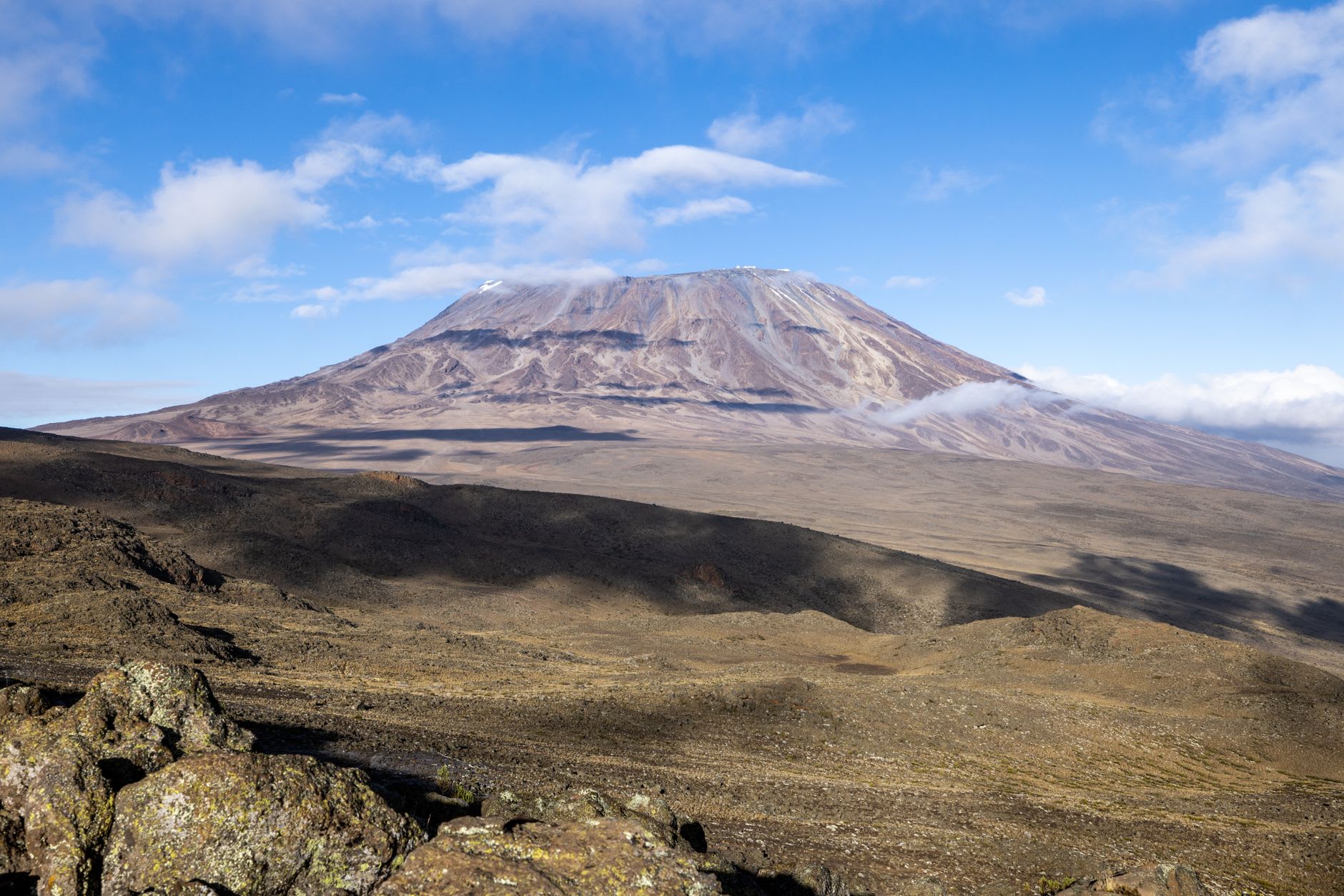
The climb back up to the rim in late afternoon was done with the mountain directly behind me, Kilimanjaro filling the western horizon with the fullness that it always does when you are east of Moshi and the air is clear. From the rim, the lake below and the mountain behind coexisted in a way that neither could produce alone — the crater’s enclosed perfection against the mountain’s blunt immensity. I took photographs that did not capture it and then put the camera away and simply stood there while the light changed.
When to go: Lake Chala is accessible year-round and dry-season independent in the sense that the water does not change. The drive from Moshi is best between January and March or June through October when the unpaved roads east of the city are most navigable. Come early in the morning — the crater rim view is clearest before ten, when cloud tends to build on the mountain. The descent trail is steep and requires decent footwear regardless of season.