Hell's Gate National Park
"The one place in Kenya where nobody yelled at us to get back in the car."
A Rift Valley park where you cycle past zebra and giraffe on your own two wheels, dwarfed by volcanic towers that inspired The Lion King.
We rented rusty single-speed bikes from a guy outside the main gate who barely looked up from his phone, and that was basically the entire safety briefing for Hell’s Gate. No ranger, no vehicle, no rifle — just Lia and me, wobbling down a red dirt track with a herd of zebra grazing twenty meters away like we weren’t even there. I kept waiting for someone to stop us. Nobody did. That’s the strange gift of this park: because the big predators are essentially absent, you’re allowed to walk and cycle among the wildlife completely unaccompanied, which after a week of being confined to safari vehicles elsewhere in the country felt almost illegal.
The landscape is what stays with me more than the animals, honestly. Hell’s Gate sits in the Rift Valley near Lake Naivasha, and it’s dominated by two volcanic plugs, Fischer’s Tower and Central Tower, jagged leftovers of a volcano that must have been enormous before it collapsed. We ditched the bikes at the base of Fischer’s Tower and watched a group of climbers rope up its face while a lone giraffe browsed the acacia trees just below them, completely unbothered by the scraping and shouting above.
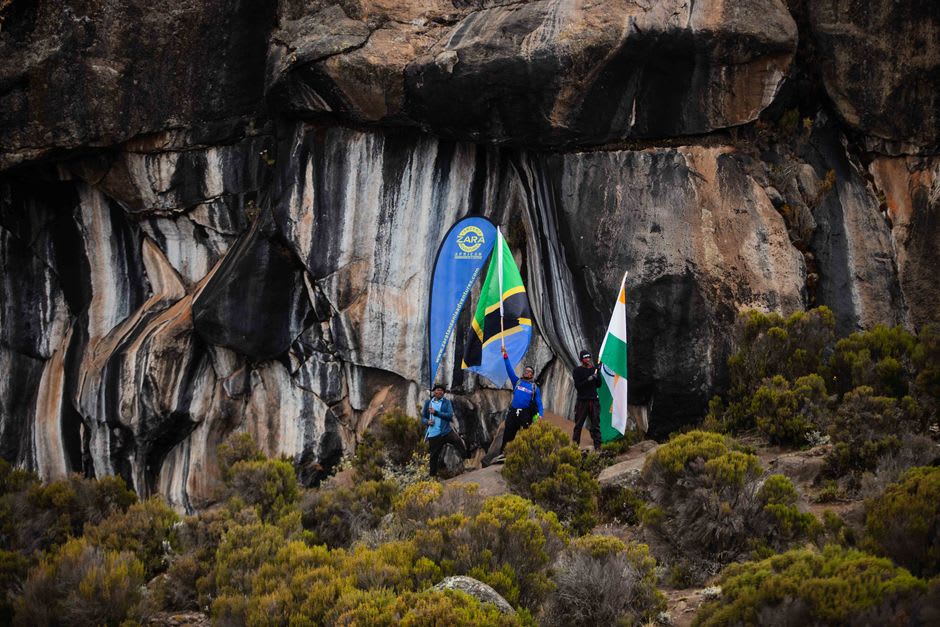
Past the towers, we hired a young guide named Joseph for the gorge hike, which turned out to be the smartest ten dollars we spent that day. The gorge narrows into a slot canyon where you’re scrambling over boulders and wading through ankle-deep, faintly warm water — a reminder that all this geothermal energy is very much alive underground. You can actually see the steam vents from the trail, and Joseph pointed out where the Olkaria Geothermal Power Station taps into the same heat, one of the largest plants of its kind on the continent. It’s a strange thing to stand in a slot canyon that looks primeval and know there’s a power station a few kilometers away running off the exact same forces that carved it.
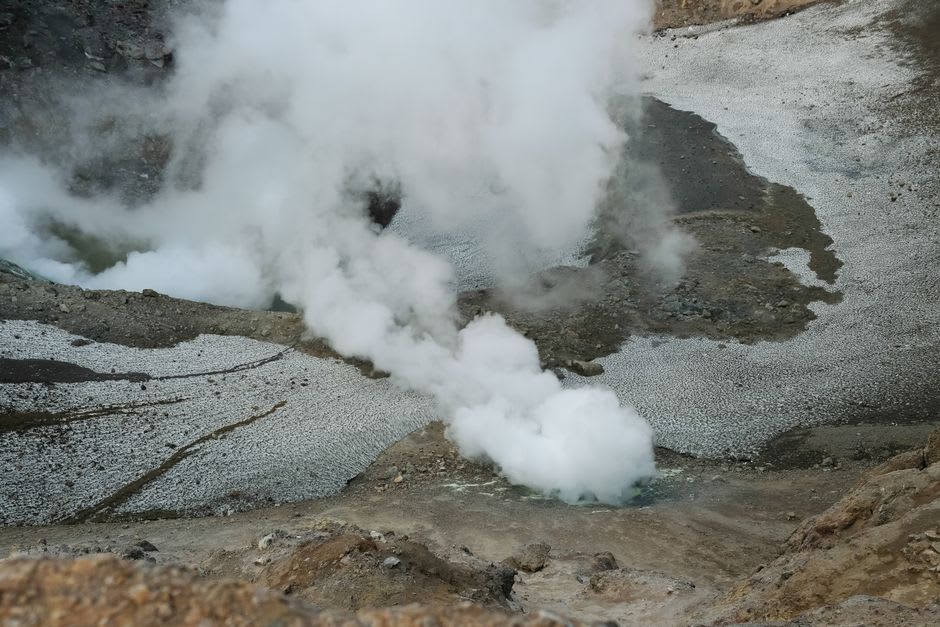
By late afternoon, with the light going gold and those cliffs throwing long shadows across the valley, I finally understood why people keep bringing up The Lion King here — the animators apparently drew on exactly this scenery, and once you’ve seen it you can’t unsee it. We free-wheeled the last stretch back to the gate with buffalo silhouetted on the ridge above us, and I remember thinking it was the closest I’d ever felt to actually being inside a wildlife documentary rather than watching one through a window.
When to go: We went in July, right in the dry-season sweet spot — January-February or June-September are your best bets for firm trails and comfortable cycling, since the gorge and dirt tracks turn slick and far less fun once the rains set in.
Keep exploring
More from Kenya
 kenya
kenya Kakamega Forest
Kenya's last rainforest fragment, where the savanna gives way to dripping canopy, birdsong, and monkeys found nowhere else in the country.
Explore kenya
kenya Laikipia Plateau
A community conservancy plateau north of Mount Kenya where black rhinos roam private ranches alongside Maasai cattle.
Explore kenya
kenya Lake Nakuru
A soda lake in the Rift Valley that turns pink with flamingos and holds some of Africa's last healthy rhino populations within a single fenced sanctuary.
Explore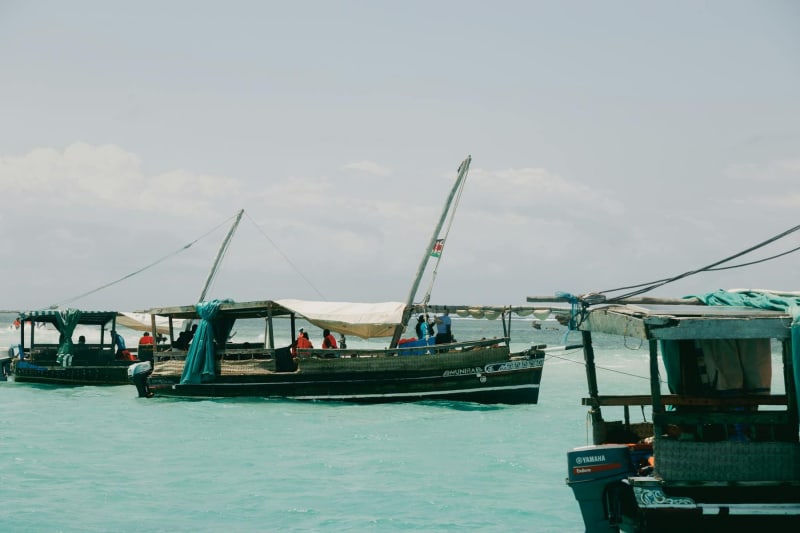 kenya
kenya Lamu Old Town
East Africa's oldest Swahili settlement on an island accessible only by boat, where donkeys outnumber cars by a thousand to none.
Explore kenya
kenya Lamu Island
East Africa's oldest living town — no cars, only donkeys, dhows, and a Swahili culture unchanged by centuries.
Explore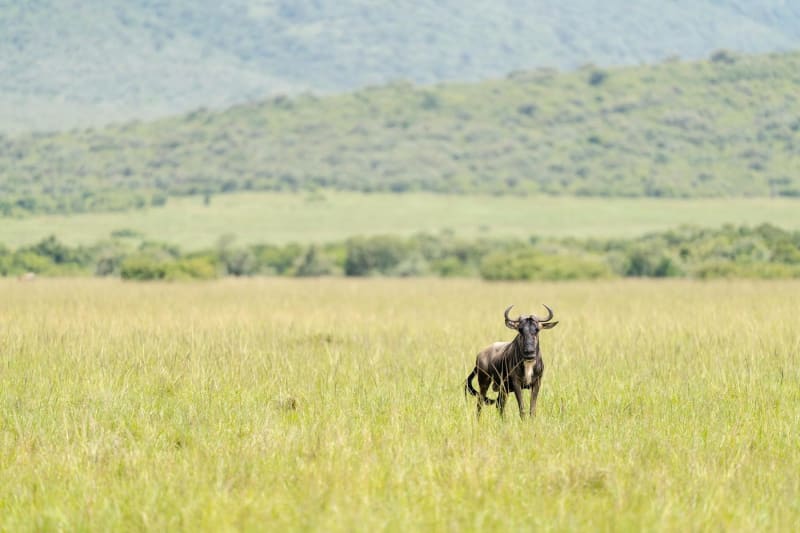 kenya
kenya Masai Mara
Kenya's most iconic game reserve — endless golden plains, the Big Five, and the world's greatest wildlife show.
Explore