Baikonur Cosmodrome
"Some places you visit for the view. Baikonur, you visit to stand where the sky stopped being a ceiling."
A pilgrimage to the windswept steppe launch pad where Sputnik and Gagarin first left Earth, still firing rockets skyward today.
I’ll admit I booked the Baikonur trip half-convinced it would fall through. Getting there isn’t like booking a weekend in Almaty — you need a permit, a registered tour operator, and a launch date that actually holds, because in this part of the world schedules slip more often than they stick. But Lia found an operator running a spring window tied to a crewed Soyuz launch to the ISS, and three weeks later we were on a night train easing across the Syr Darya toward a town that, until 1995, didn’t officially exist on any map.
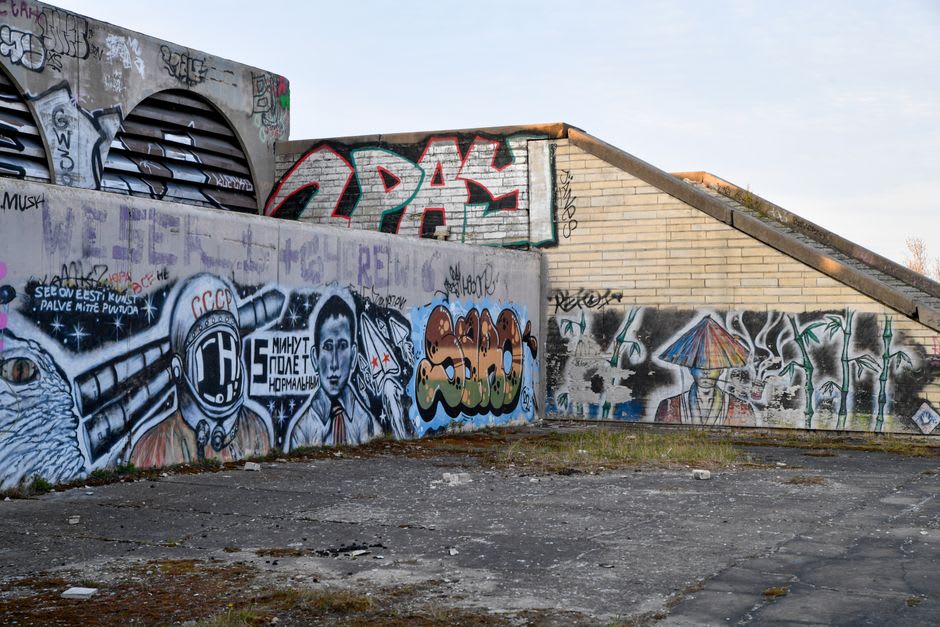
That’s the detail that stuck with me before I’d even seen a rocket: Baikonur, formerly Leninsk, was built as a closed Soviet city purely to house the people who kept this place running. Walking its wide, oddly quiet avenues, past apartment blocks with peeling murals of cosmonauts, I kept thinking about how an entire town was invented, from nothing, to serve a launch pad. Lia pointed out a mural of Gagarin near our guesthouse and said it looked more like a saint’s icon than a poster — she wasn’t wrong.
The launch itself happened at dusk, and no amount of documentary footage prepares you for it. We stood behind the safety line with a knot of other visitors, cold wind cutting across the steppe, and when the Soyuz lit up it turned night briefly into a flat orange day. I felt the rumble in my chest before I registered the sound. Standing on the same launch complex where Sputnik 1 went up in October 1957 and where Gagarin left the ground in April 1961 for the first human spaceflight, it was hard not to get a little emotional — this isn’t a replica or a museum piece, it’s the same working ground, still doing the job it was built for in 1955.
The next morning our guide took us through the cosmodrome’s museum, past Gagarin’s actual quarantine quarters and a wall of framed crew photos going back decades, before explaining, almost as an aside, that Russia has leased this whole site from Kazakhstan since 1994, with the deal now stretching to 2050. It’s a strange geopolitical footnote to carry around a place this significant — a slice of Kazakh steppe, permanently rented for the business of leaving the planet.
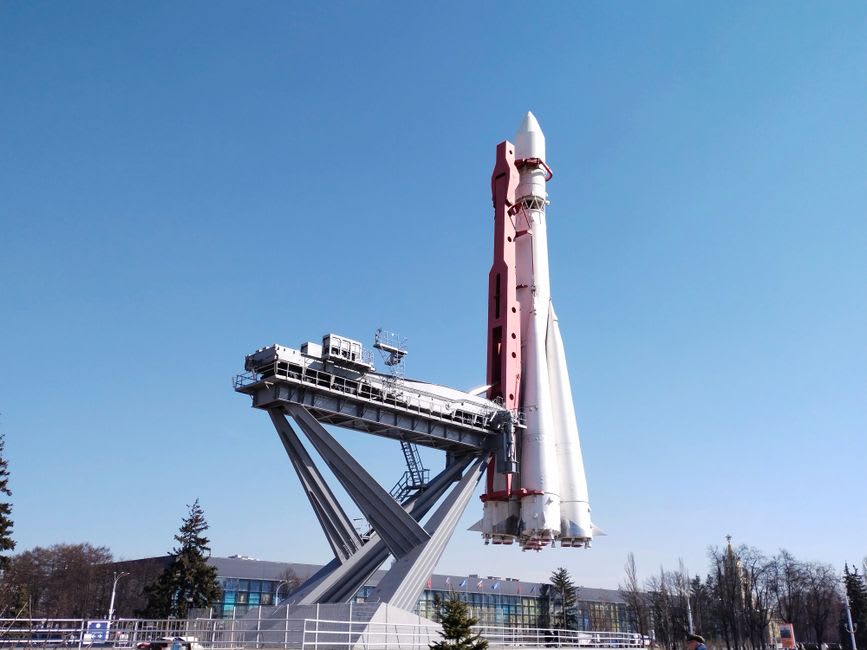
When to go: Time your trip around a scheduled launch — tour operators can usually only confirm access once a date is locked, and spring or autumn windows tend to be easiest to arrange around crewed missions to the ISS.
Keep exploring
More from Kazakhstan
 kazakhstan
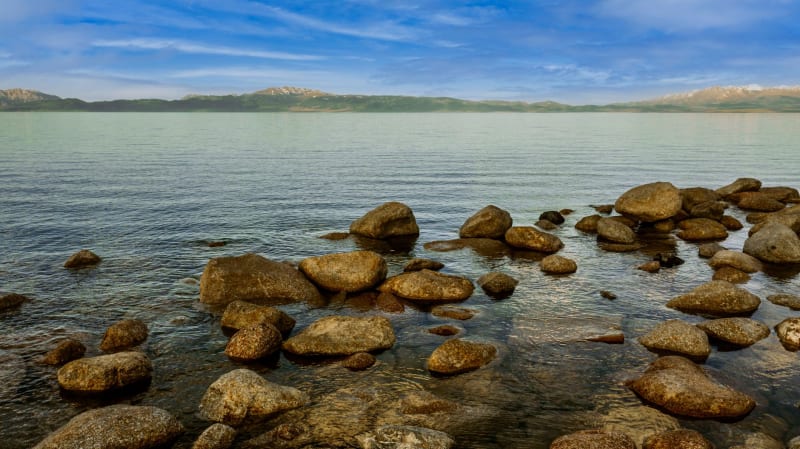
 Lake Balkhash
Half freshwater, half saltwater — a lake so vast it generates its own weather, split by a narrow strait and stranded improbably in the middle of the steppe.
Explore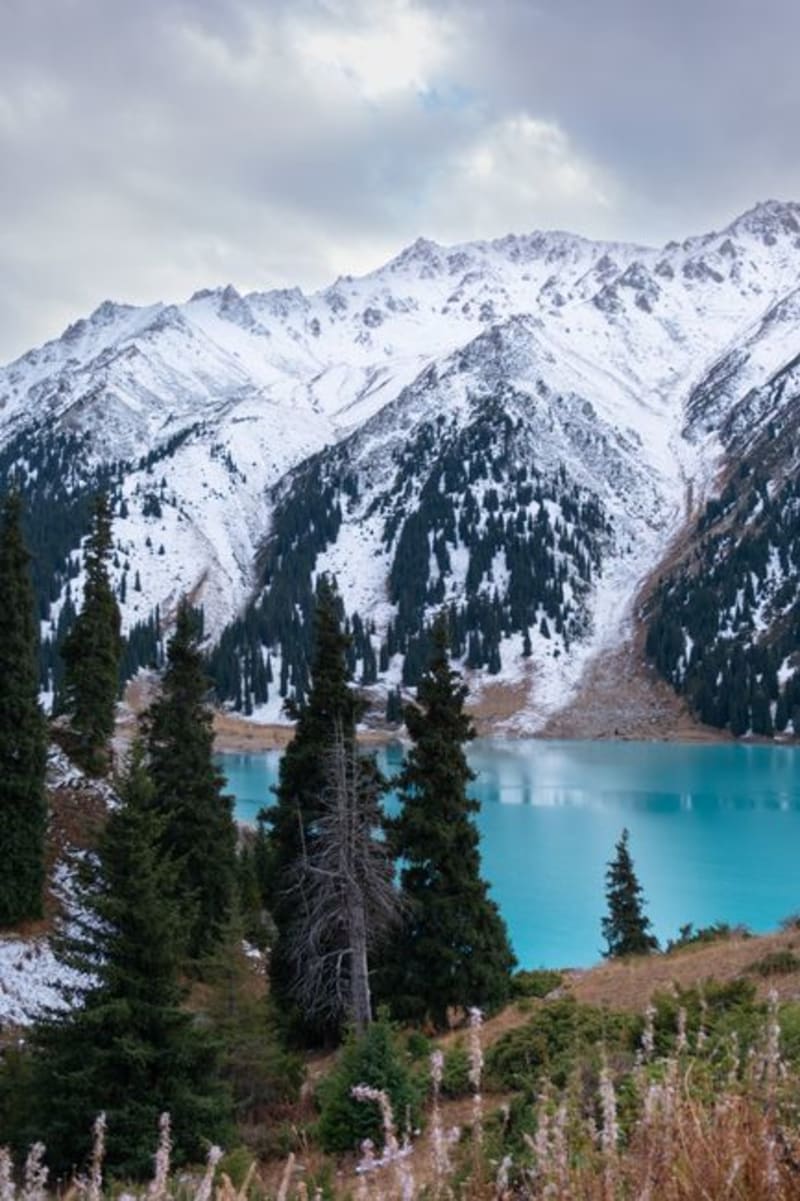 kazakhstan
 Big Almaty Lake
An alpine mirror of glacial turquoise at 2,511 meters, ringed by peaks and watched over by a Soviet-era observatory.
Explore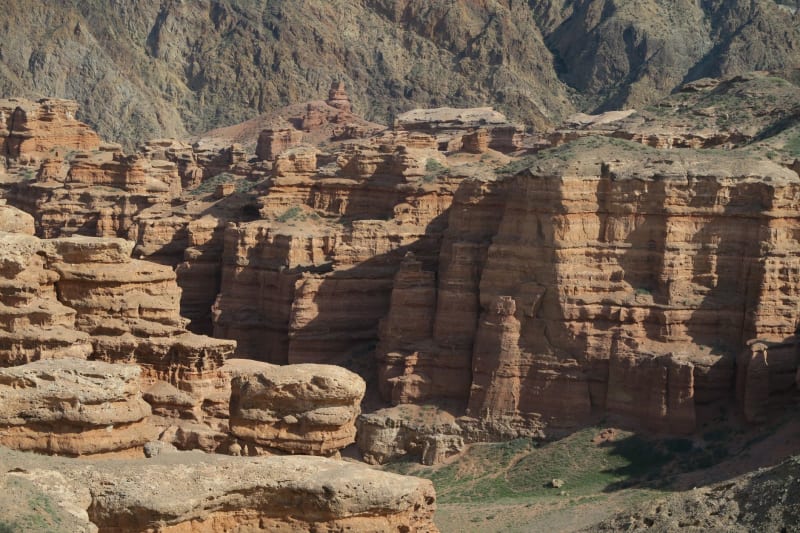 kazakhstan
 Charyn Canyon
A Grand Canyon-scale gash in the earth two hours from Almaty that Kazakhstan barely bothers to advertise.
Explore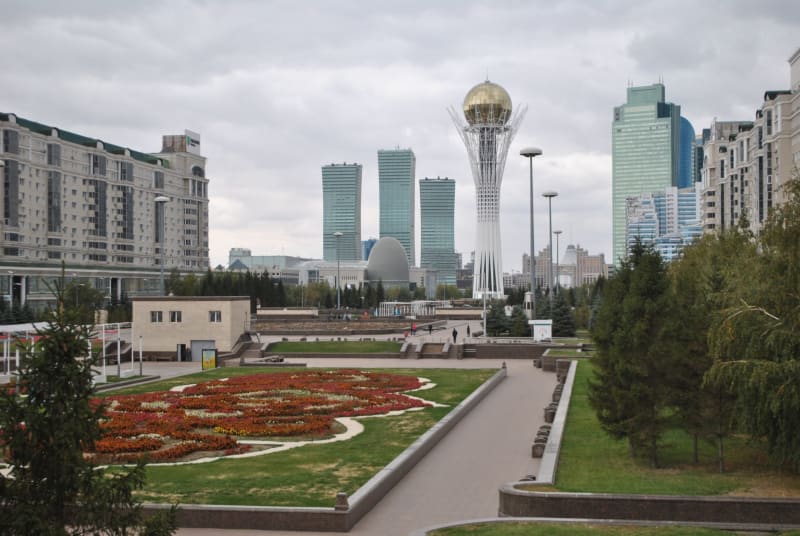 kazakhstan
 Karaganda
A Soviet coal city built on Gulag labor that now carries its dark past with a directness that most countries managing similar histories never manage.
Explore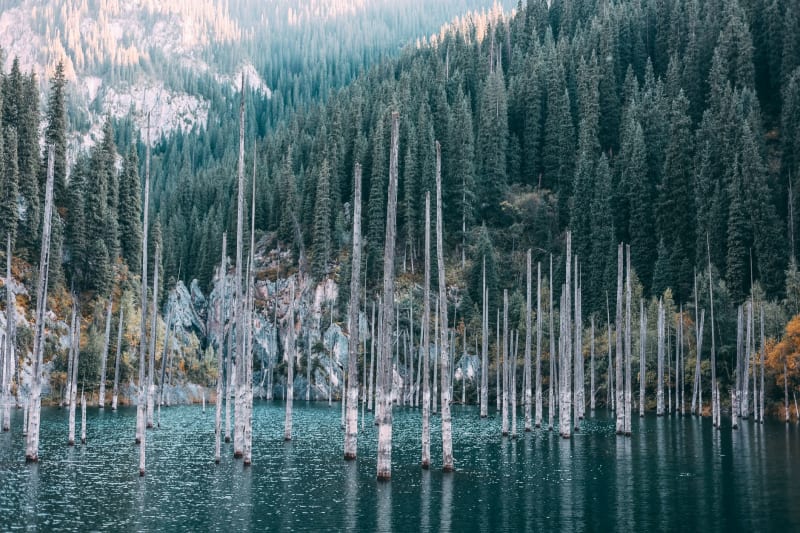 kazakhstan
 Kolsai Lakes
Three glacial lakes stacked in the Tian Shan foothills, where the pine forests smell of somewhere much further north and the silence is absolute.
Explore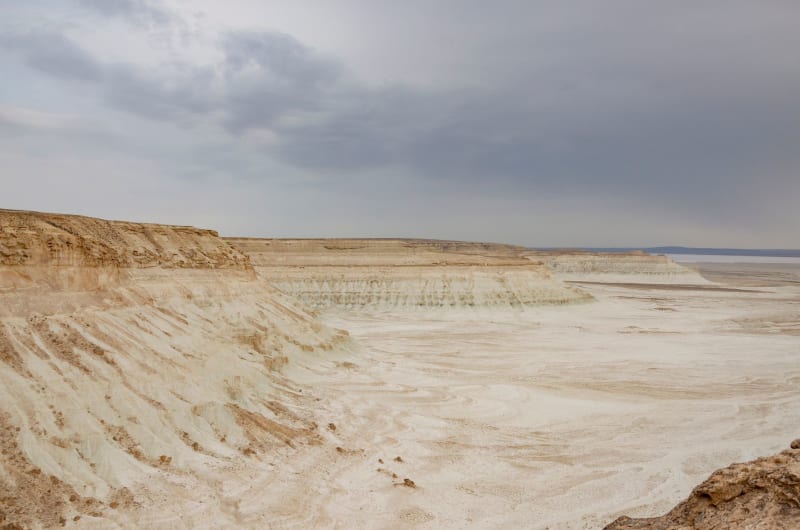 kazakhstan
 Mangystau
The otherworldly west — chalk cliffs, underground mosques carved into rock, and a landscape so alien that 'desert' is an insufficient word for it.
Explore