Verinag
"A river has to start somewhere, and this is one of the stranger places I've seen it happen."
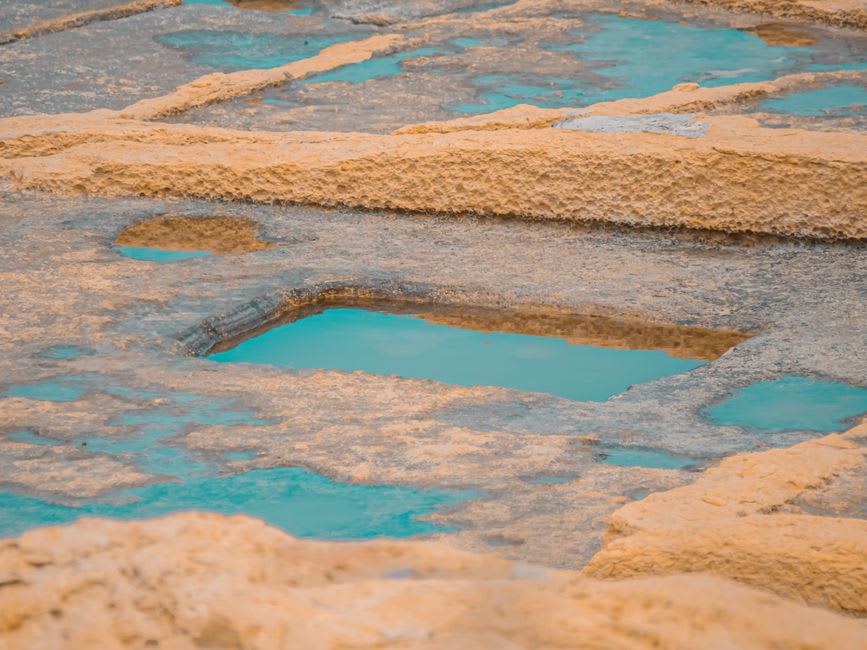
An octagonal Mughal spring pool where the Jhelum River is born, turquoise and cold enough to make you gasp.
I hadn’t planned to stop at Verinag. It was meant to be a bathroom break on the long drive south from Anantnag toward Kokernag, a name I’d circled on the map without much conviction. Then I saw the pool through the trees — a perfect octagon of stone, water so clear and so deeply turquoise it looked lit from underneath — and I sat by the wall for an hour instead, forgetting entirely why I’d stopped in the first place.
This spring is, depending on who you ask, either a minor curiosity or the literal source of the Jhelum River, the waterway that later runs through Srinagar and defines the whole valley’s geography. Jahangir, the Mughal emperor who never met a good spring he didn’t want to formalize with stonework, had the pool built in 1620, ringing the natural spring with an octagonal wall and an arcade of arches on one side. What strikes you is the discipline of it — this isn’t a wild spring dressed up a little, it’s fully architectural, geometric, almost mathematical, and yet the water inside behaves like it belongs to no century at all, just rising cold and blue-green from somewhere far underground.
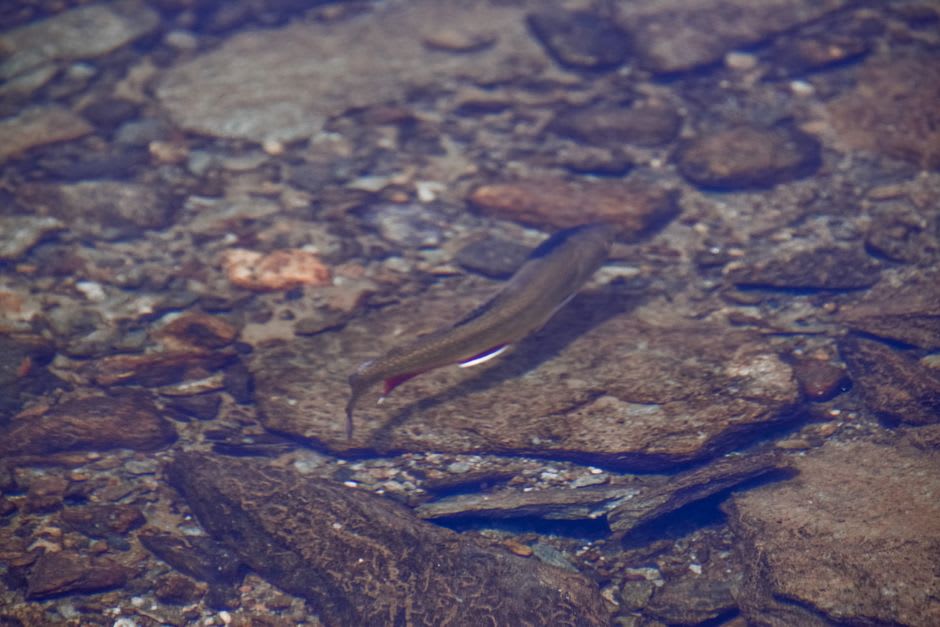
An old man selling roasted corn near the entrance told me the water never freezes, even in the hardest winters, and never runs dry, even in the driest summers — a claim I couldn’t verify but wanted to believe. Trout move through the shallows near the walls, dark shapes against the pale stone bottom, and the garden around the pool, planted with chinar and walnut trees, has the slightly overgrown, under-visited feeling of a monument that history has quietly stopped paying attention to. I liked it more for that. No queues, no guides shouting through megaphones, just the sound of water falling gently over one edge of the wall into the channel that becomes, eventually, one of the great rivers of the subcontinent.
When to go: April through October, when the garden is green and the water at its most vividly turquoise. Combine it with Kokernag, twenty minutes further along the same road, for a full afternoon of Kashmir’s spring-fed gardens.
Keep exploring
More from Kashmir
 kashmir
 Wular Lake
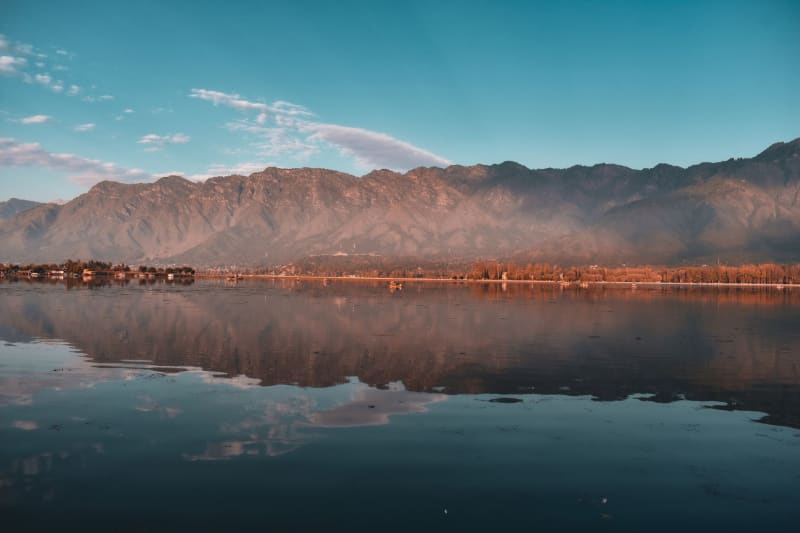
Asia's largest freshwater lake — a vast, flat inland sea where the sky is bigger than the mountains and the fishing communities have been here longer than history records.
Explore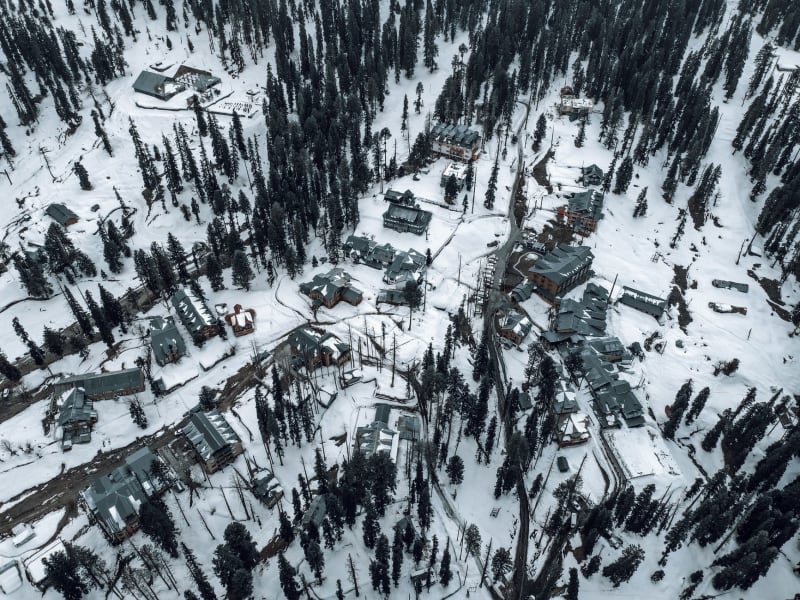 kashmir
 Yusmarg
A hidden meadow above the pines that the gondolas and ski resorts have not reached yet — just horses, silence, and the particular peace of being genuinely off the route.
Explore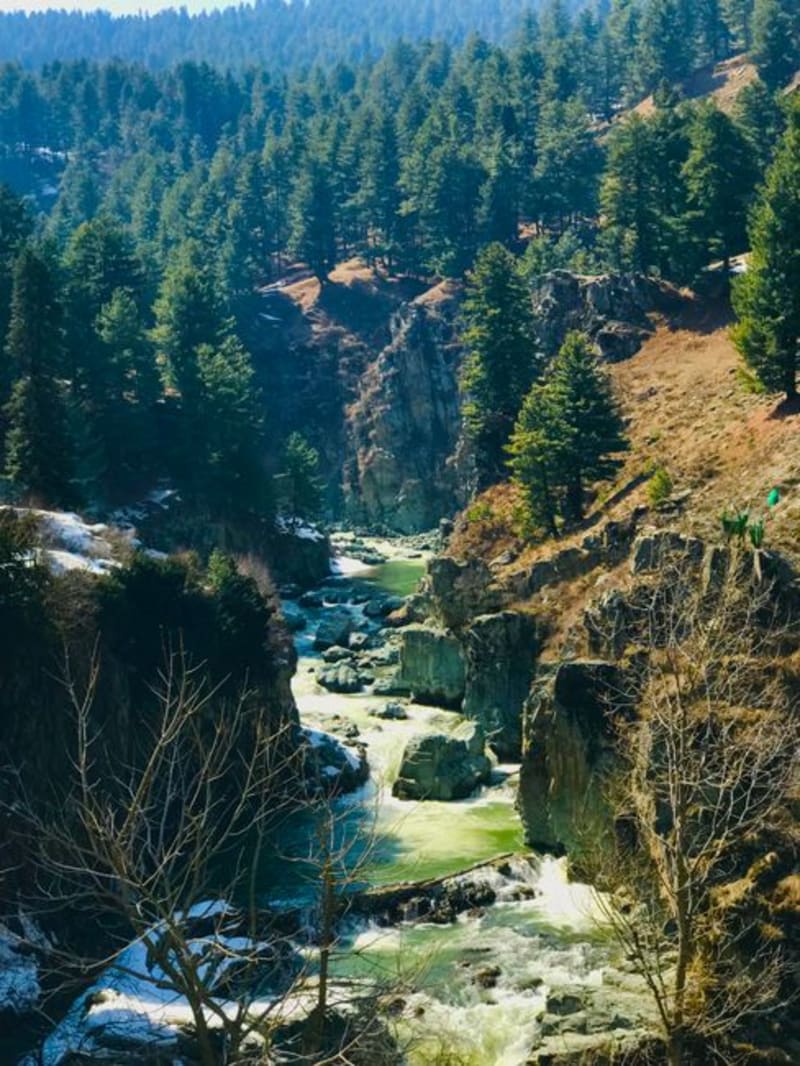 kashmir
 Aharbal
A waterfall crashing through a forested gorge, and the trailhead for one of Kashmir's most striking high-altitude lakes.
Explore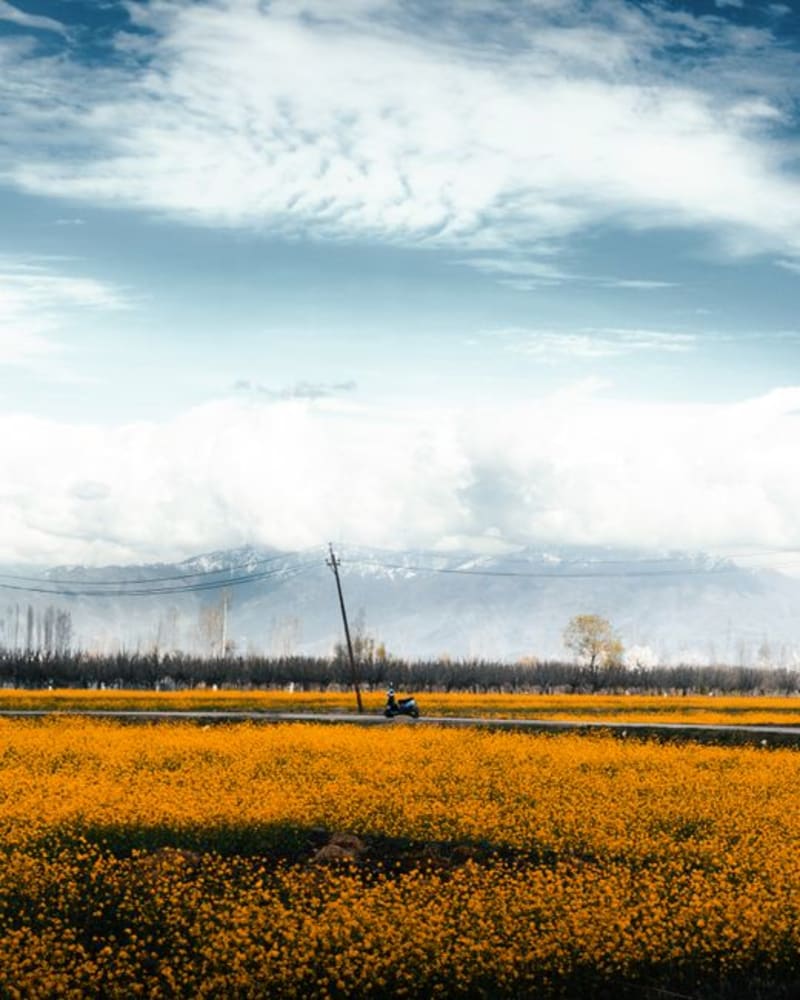 kashmir
 Baramulla
A river town on the Jhelum where the valley narrows toward the outside world, carrying its history more openly than most of Kashmir does.
Explore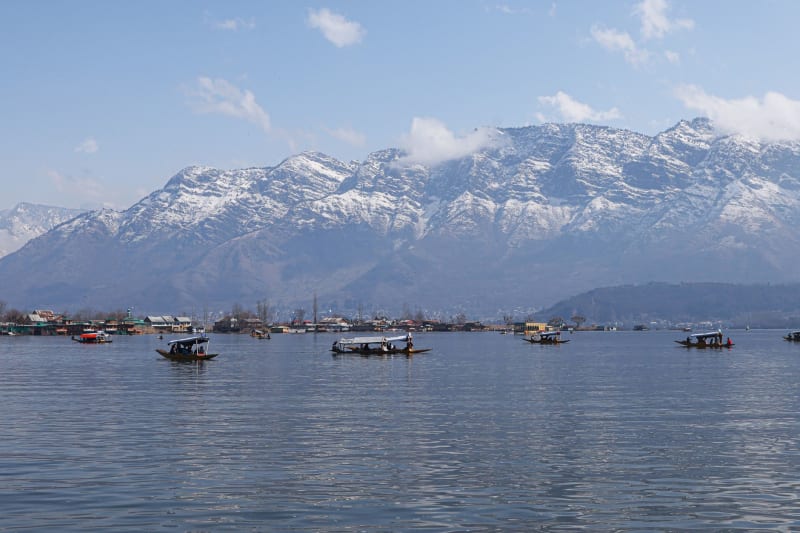 kashmir
 Dal Lake
A lake so alive with floating markets, houseboats, and mountain light that stillness here has a texture all its own.
Explore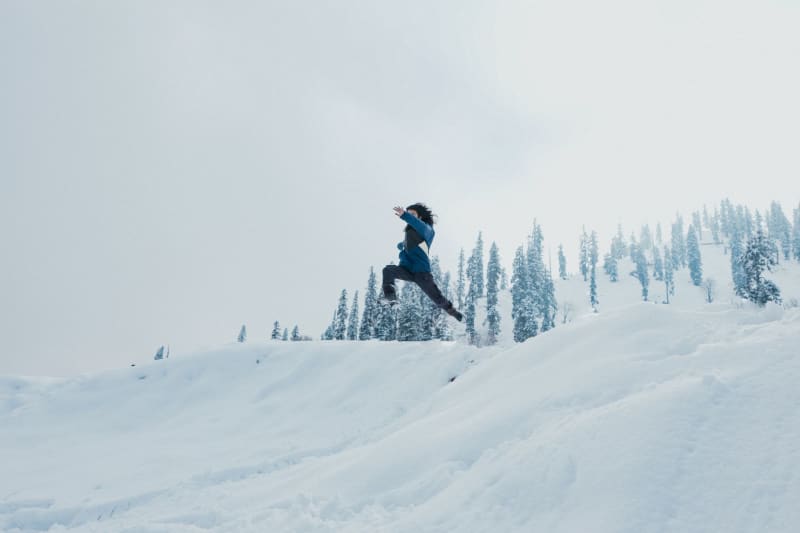 kashmir
 Doodhpathri
The Valley of Milk — a remote meadow where streams run so white over limestone that the name makes complete sense when you're standing in it.
Explore