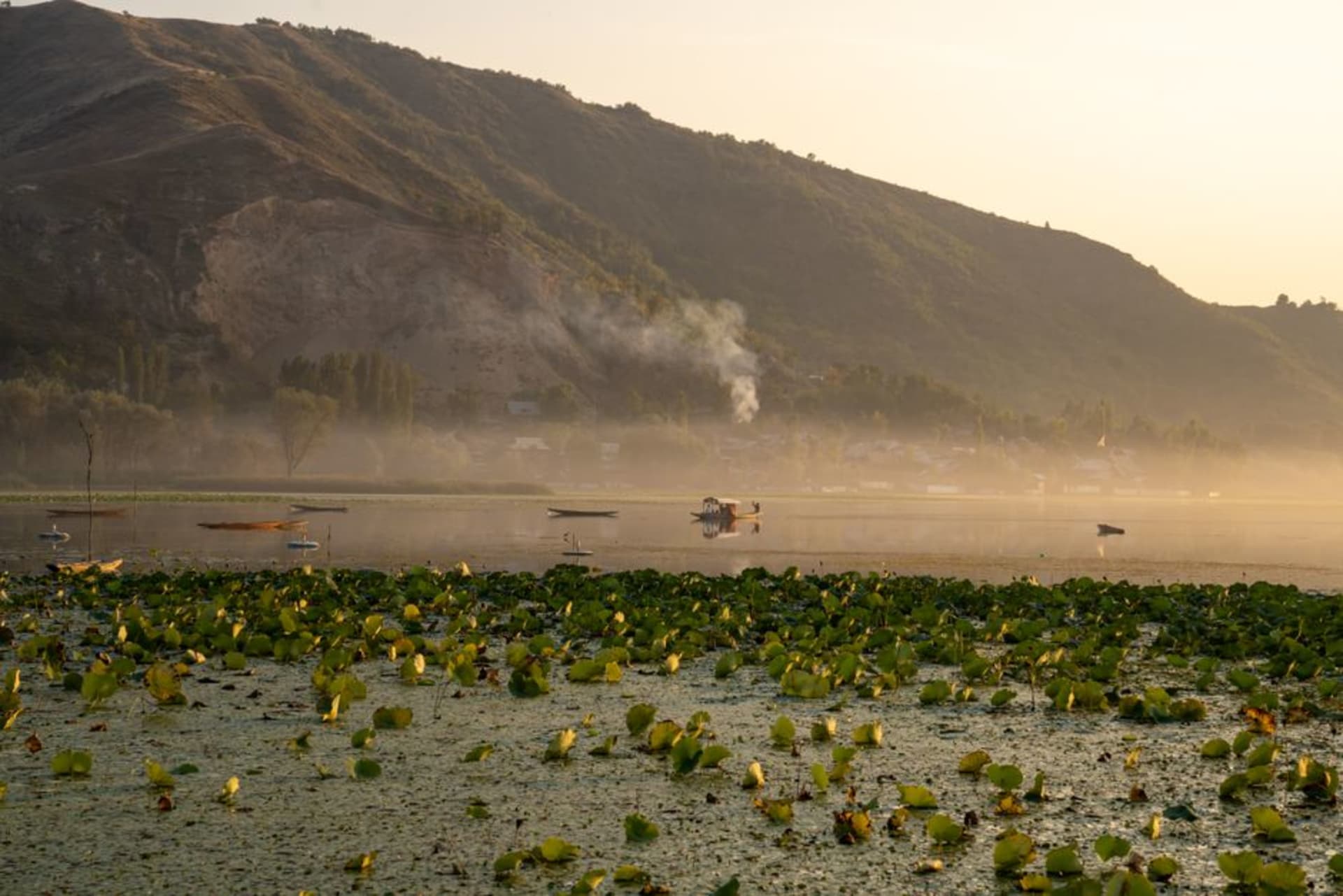
A freshwater lake the Mughals called the supreme jewel of Kashmir's waters, still fringed with lotus flowers and almost entirely without tourists.
Nobody I asked in Srinagar seemed especially eager to talk about Manasbal Lake, which is strange, because the Mughals — not people known for undervaluing scenery — supposedly called it the supreme jewel among Kashmir’s lakes. I drove up on a quiet Tuesday, about an hour north of the city, expecting at least a small crowd. I found two fishermen, a handful of grazing goats, and a stillness so complete that the sound of my own footsteps on the shoreline path felt like an intrusion.
The lake is smaller than Dal and entirely without the floating gardens, houseboats, and shikara touts that define the Srinagar lake experience. What it has instead is depth — it’s the deepest lake in Kashmir — and an extraordinary bloom of lotus flowers that covers large sections of the surface in July and August, pink and white against water so still it barely seems to move. A ruined Mughal-era garden, Jarokha Bagh, sits on the northern shore, mostly overgrown now, terraces and a few arched openings still visible under the grass, the kind of minor royal folly that would draw crowds anywhere else in the world and here just sits quietly falling apart.
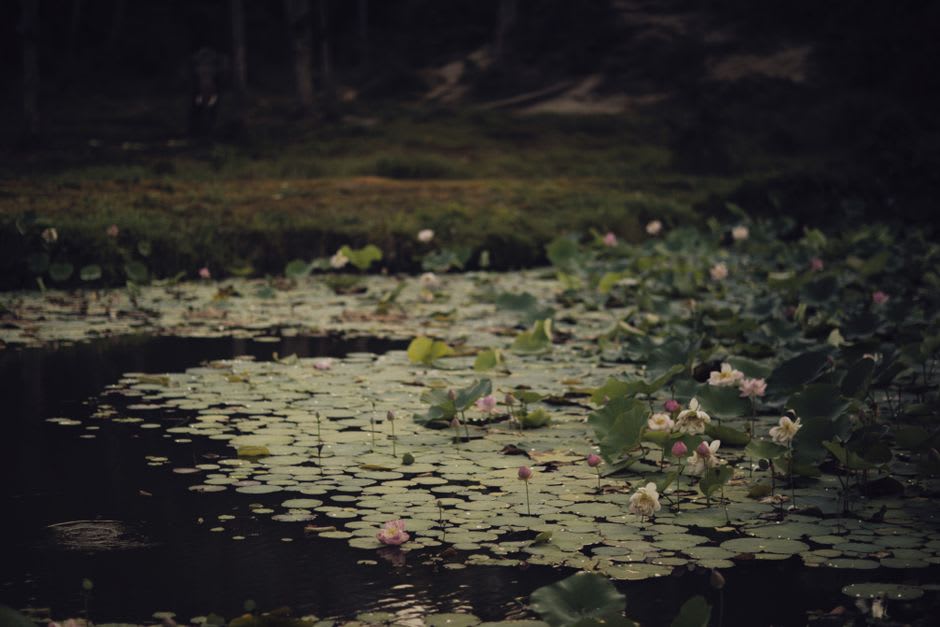
I hired a small boat from the village of Kondabal on the eastern shore, rowed by a young man who fished the lake most mornings and ferried the occasional visitor in the afternoons. He pointed out birds as we drifted — herons, coots, and in winter he said the lake fills with migratory species escaping the cold further north, enough that birdwatchers who do know about Manasbal come specifically for that. We didn’t talk much otherwise. The lake didn’t ask for conversation. It asked for the kind of attention you give something you suspect won’t stay this quiet forever.
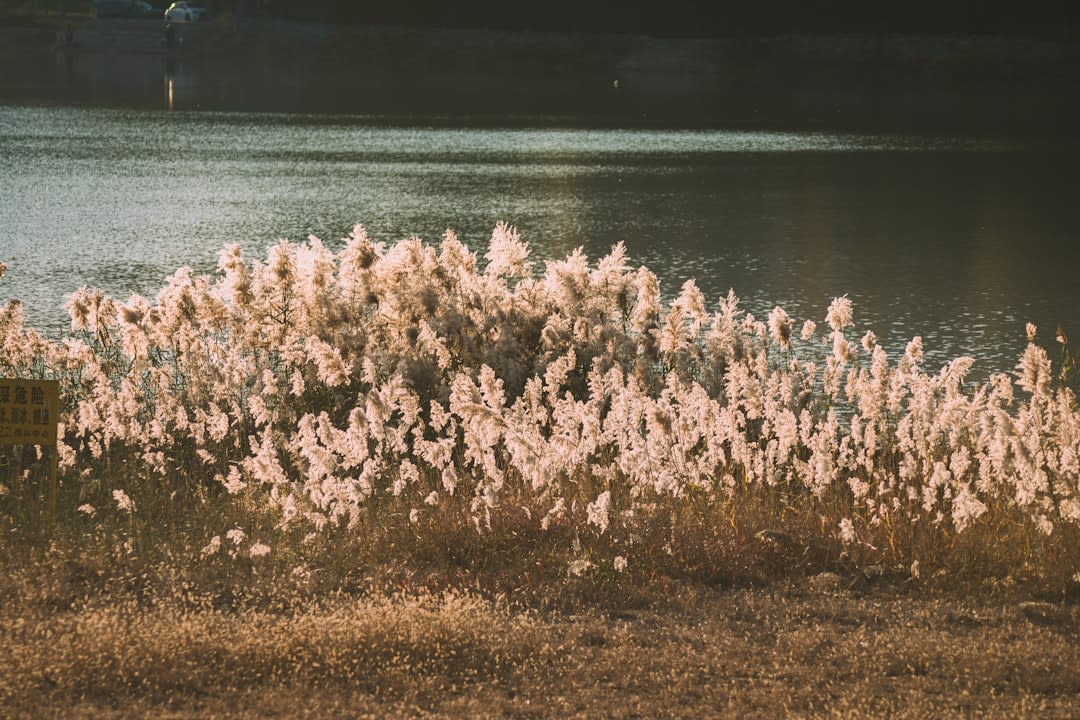
When to go: July and August for the lotus bloom, or November through February for migratory birds. Early morning gives you the stillest water and the best chance of having the shoreline entirely to yourself.
Keep exploring
More from Kashmir
 kashmir
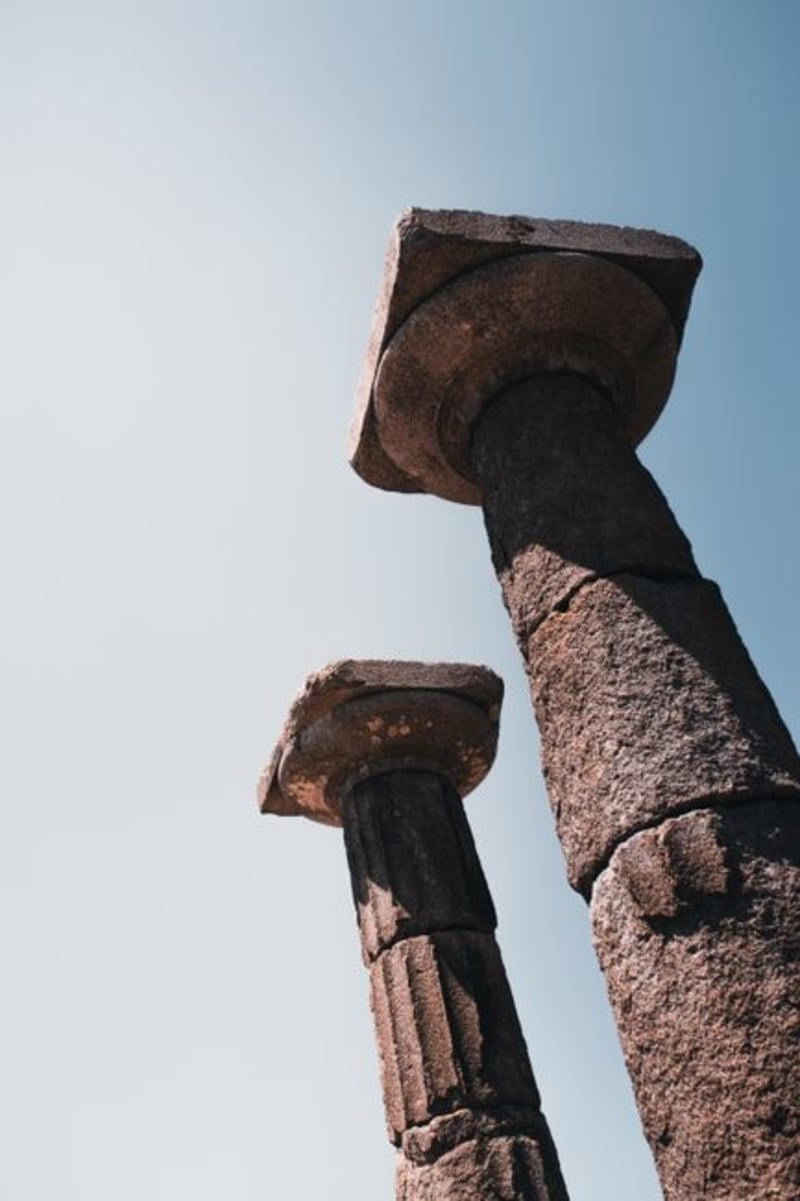
 Martand Sun Temple
An eighth-century ruin of colossal stone columns standing alone on a plateau, built by a king who wanted his temple to outlast his kingdom.
Explore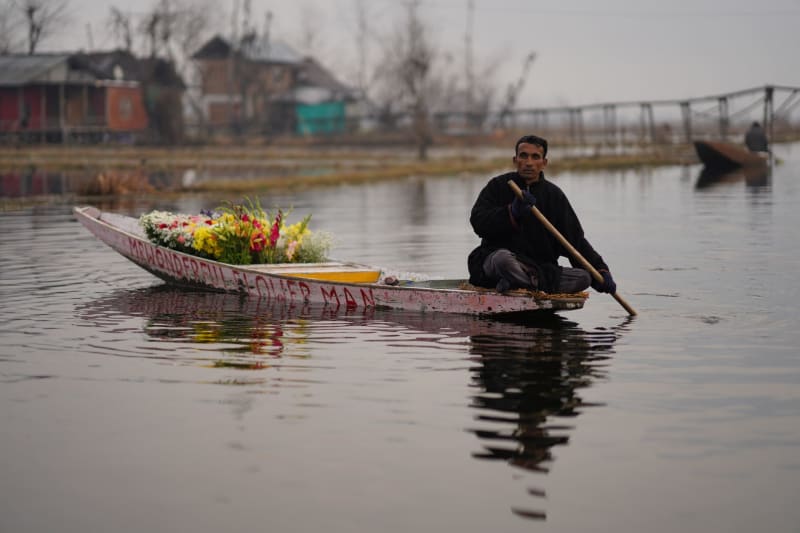 kashmir
 Nagin Lake
Dal Lake's quieter sister — cleaner water, fewer crowds, and an evening light that makes you understand why poets kept coming here.
Explore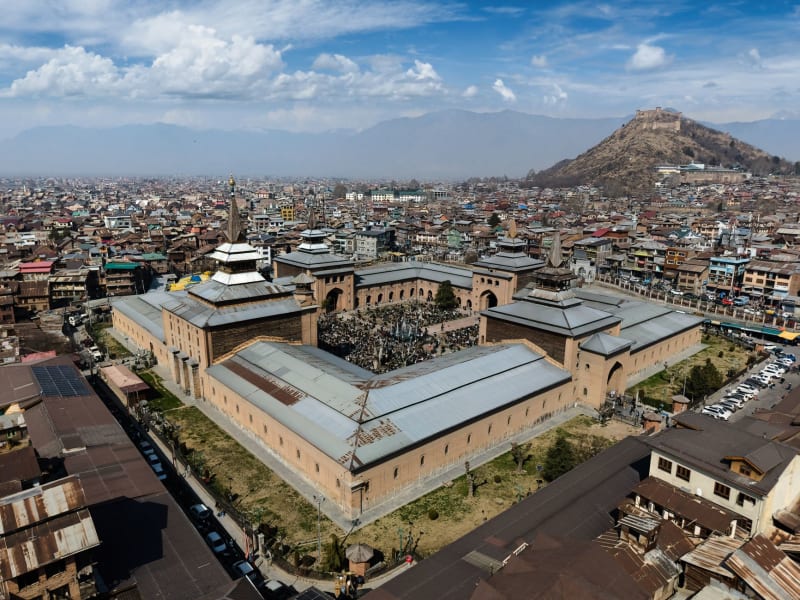 kashmir
 Old Srinagar
The city's wooden heart — Mughal mosques, craft workshops, and bazaars where saffron is sold by the grain and the lanes remember six centuries.
Explore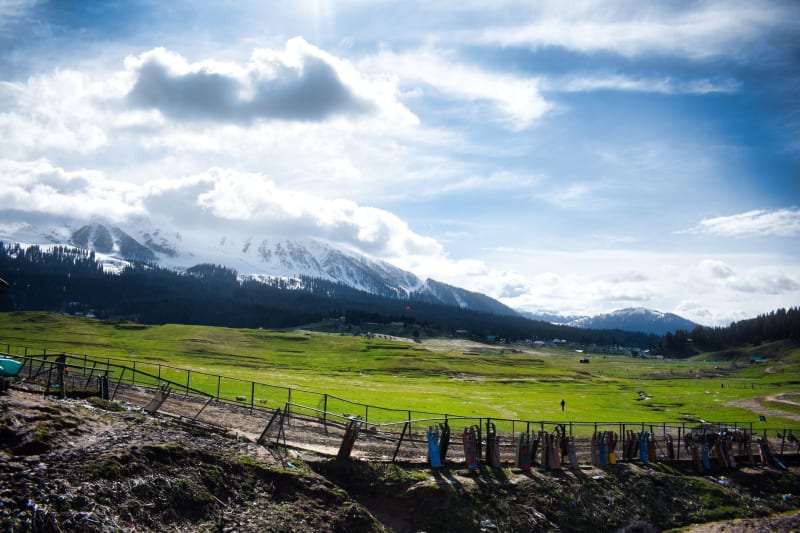 kashmir
 Pahalgam
A valley town on the Lidder River where shepherds descend from the high pastures every autumn and the pines smell of something ancient.
Explore kashmir
 Pampore
The saffron capital of Kashmir — in October, its fields turn purple at dawn and the air carries a spice so specific it rewires your sense of smell.
Explore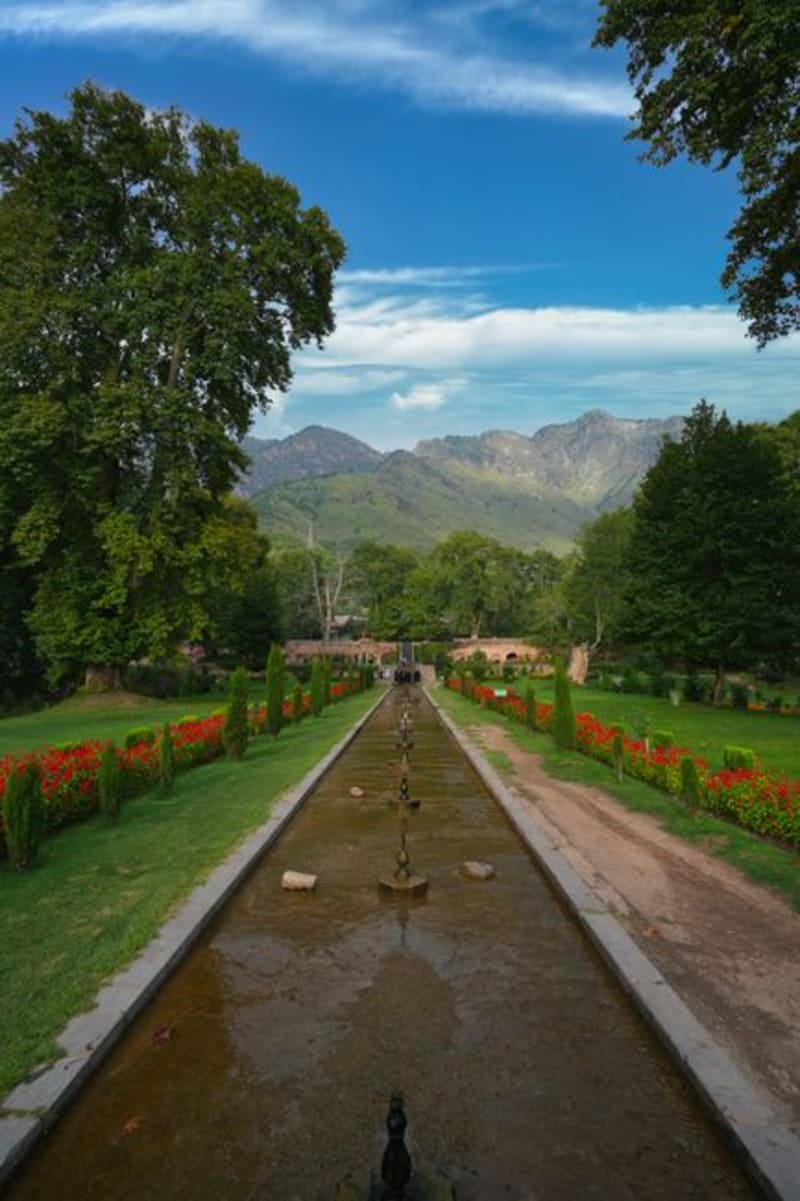 kashmir
 Pari Mahal
A terraced Mughal-era palace built for a prince who preferred astronomy and Sufi philosophy to the business of ruling an empire.
Explore