A terraced garden fed by dozens of freshwater springs, quieter and greener than anything Srinagar's Mughal gardens ever get to be.
Kokernag gets a fraction of the visitors that Srinagar’s famous Mughal gardens do, which is exactly why I went. I’d already seen Shalimar and Nishat crowded with wedding photoshoots and school groups, lovely gardens both, but not places where you can sit for twenty minutes without someone asking to take a selfie next to you. Kokernag, ninety minutes south near Anantnag, offered something closer to what I’d imagined Kashmir’s gardens might feel like before Instagram found them: terraced lawns, walnut trees, and water everywhere, running off dozens of natural springs that surface across the hillside.
The name means “duck spring” in the local dialect, and the main pool does hold a small population of ducks that seem entirely unbothered by visitors. What sets Kokernag apart from the more famous gardens is the sheer number of springs — I counted at least a dozen separate outlets feeding channels that criss-cross the terraced lawns, some barely a trickle, others gushing hard enough to turn small mill wheels that locals still use. The water is cold even in August, cold enough that the trout hatchery downstream from the main garden raises fish that end up on plates across the valley.
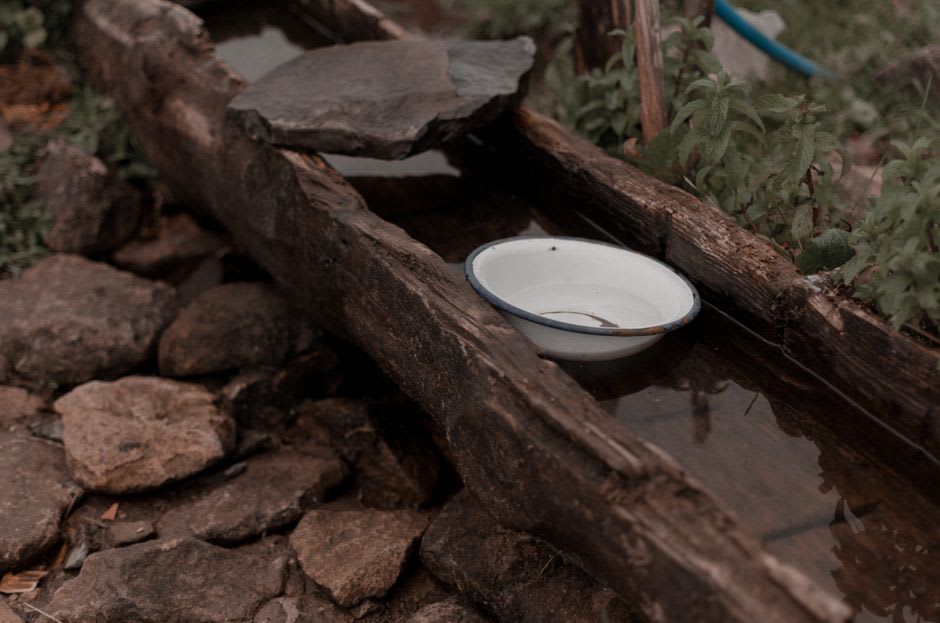
I spent an afternoon just walking the terraces, stopping wherever a bench appeared, watching local families picnic on the grass with the unhurried confidence of people who know a good spot and don’t need to rush it. An elderly gardener, trimming hedges near the upper terrace, told me the garden had been laid out during the Dogra period in the nineteenth century, expanded from what was originally just a scattering of sacred springs that pilgrims had visited for centuries before any of the landscaping arrived. That history — spring first, garden second — felt right. The water was clearly always the point.
When to go: May through September for full greenery and the gentlest weather. The garden is at its most photogenic in early autumn, when the walnut leaves start turning against the still-vivid grass.
Keep exploring
More from Kashmir
 kashmir
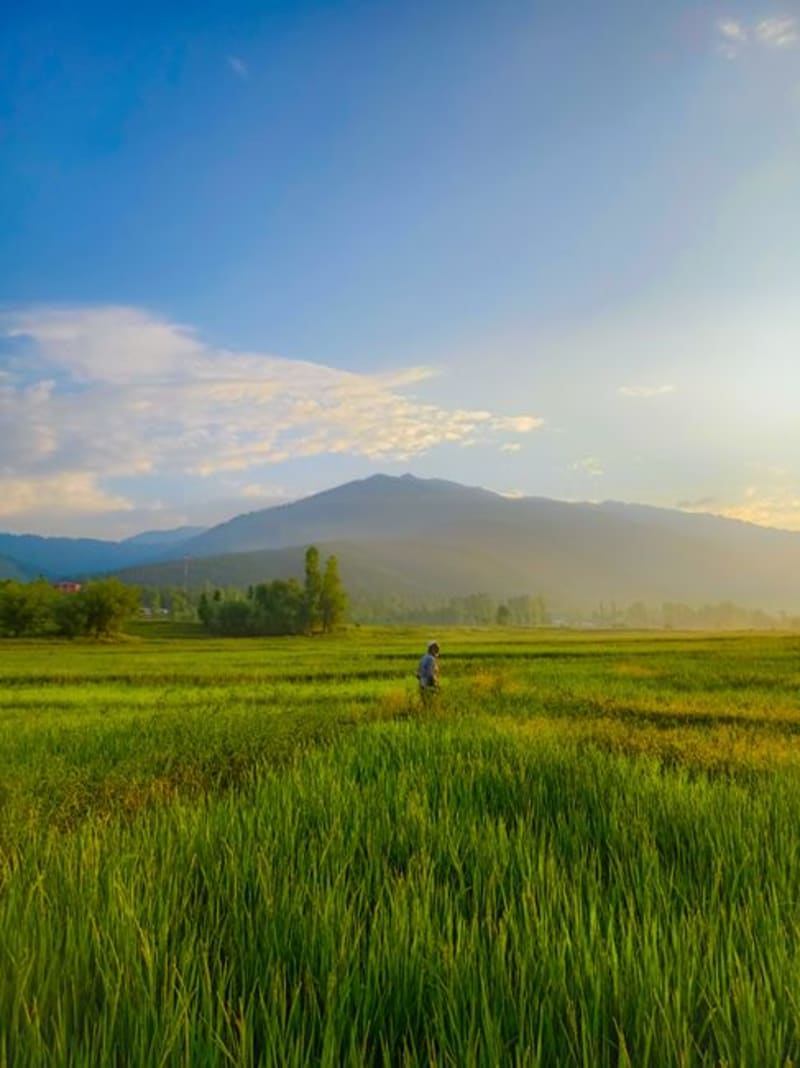
 Lolab Valley
A forested valley near Kupwara whose name translates, roughly, to something like a valley of love — and nobody I met disagreed with the description.
Explore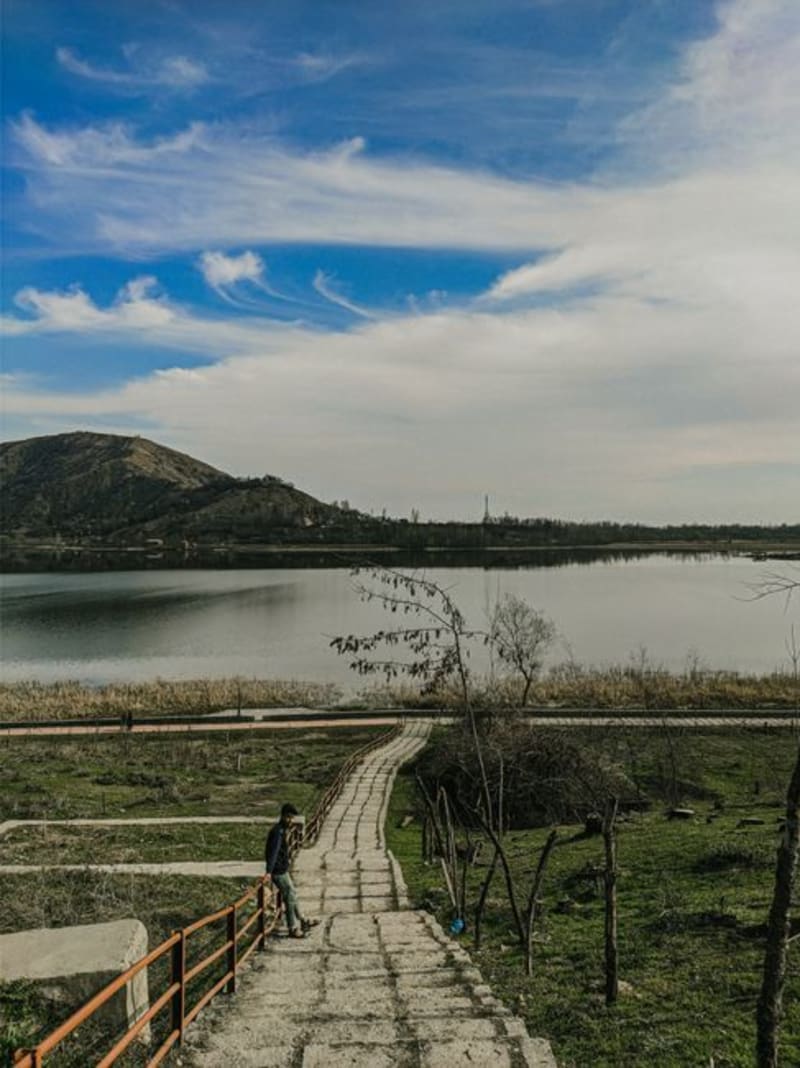 kashmir
 Manasbal Lake
A freshwater lake the Mughals called the supreme jewel of Kashmir's waters, still fringed with lotus flowers and almost entirely without tourists.
Explore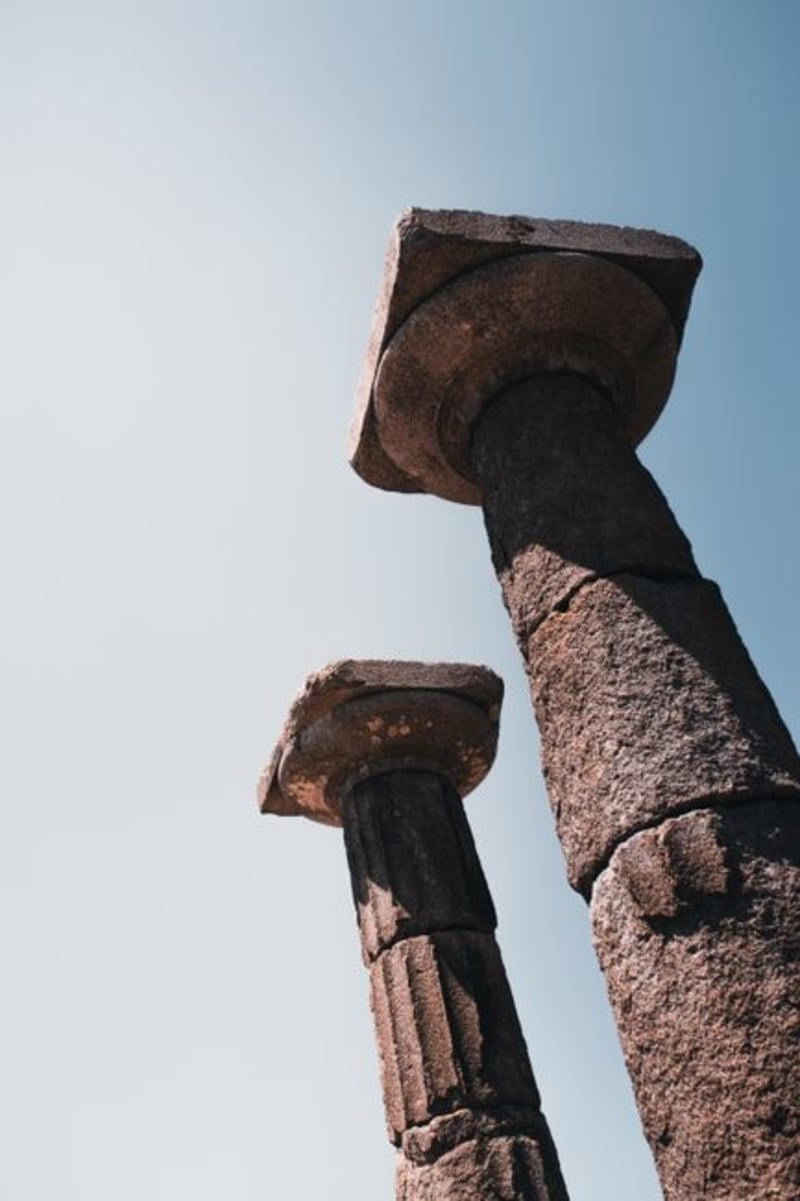 kashmir
 Martand Sun Temple
An eighth-century ruin of colossal stone columns standing alone on a plateau, built by a king who wanted his temple to outlast his kingdom.
Explore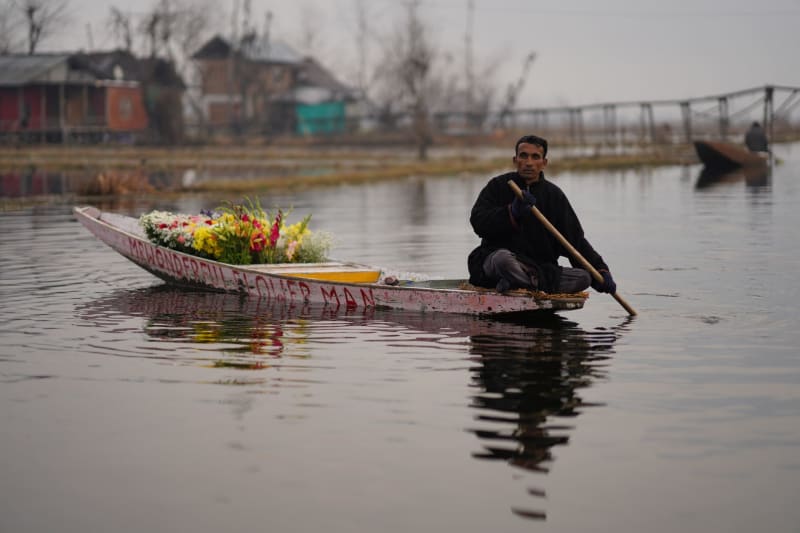 kashmir
 Nagin Lake
Dal Lake's quieter sister — cleaner water, fewer crowds, and an evening light that makes you understand why poets kept coming here.
Explore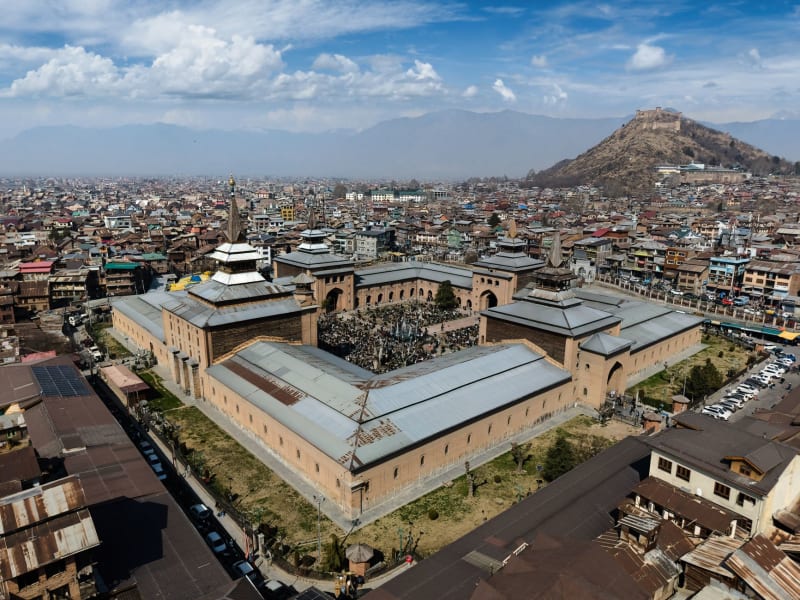 kashmir
 Old Srinagar
The city's wooden heart — Mughal mosques, craft workshops, and bazaars where saffron is sold by the grain and the lanes remember six centuries.
Explore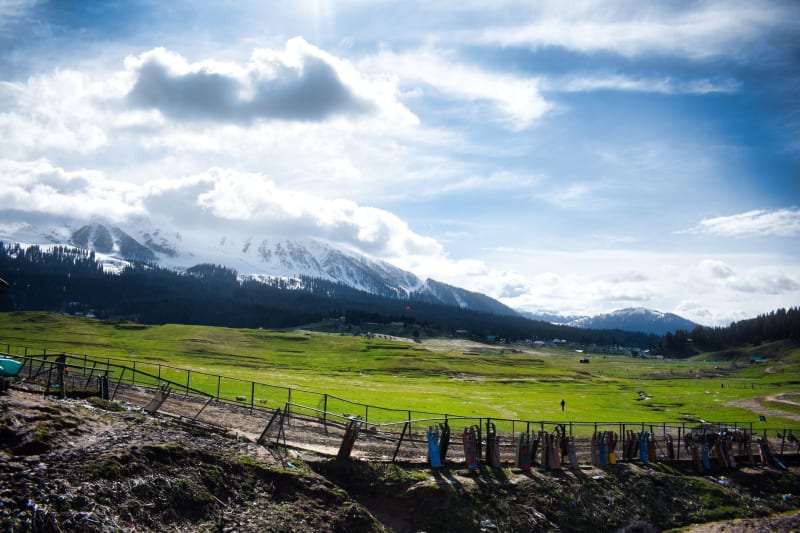 kashmir
 Pahalgam
A valley town on the Lidder River where shepherds descend from the high pastures every autumn and the pines smell of something ancient.
Explore