A remote valley near the Line of Control where a pyramid-shaped peak named for a poet-queen watches over a river running out of Kashmir entirely.
Reaching Gurez took an entire day from Srinagar, over the Razdan Pass at just under 3,500 metres, a road that stays closed under snow for roughly half the year and that our driver treated with a level of concentration he hadn’t shown anywhere else on the trip. I needed an inner-line permit to enter, arranged in advance through a local agent, because the valley sits close enough to the Line of Control that movement here is still tightly controlled. All of that friction turned out to be the point. Gurez felt like Kashmir with the volume turned down to almost nothing — no houseboats, no shikara touts, just the Kishanganga River running hard through a valley of pine forest and terraced barley fields, and a silence broken mostly by wind.
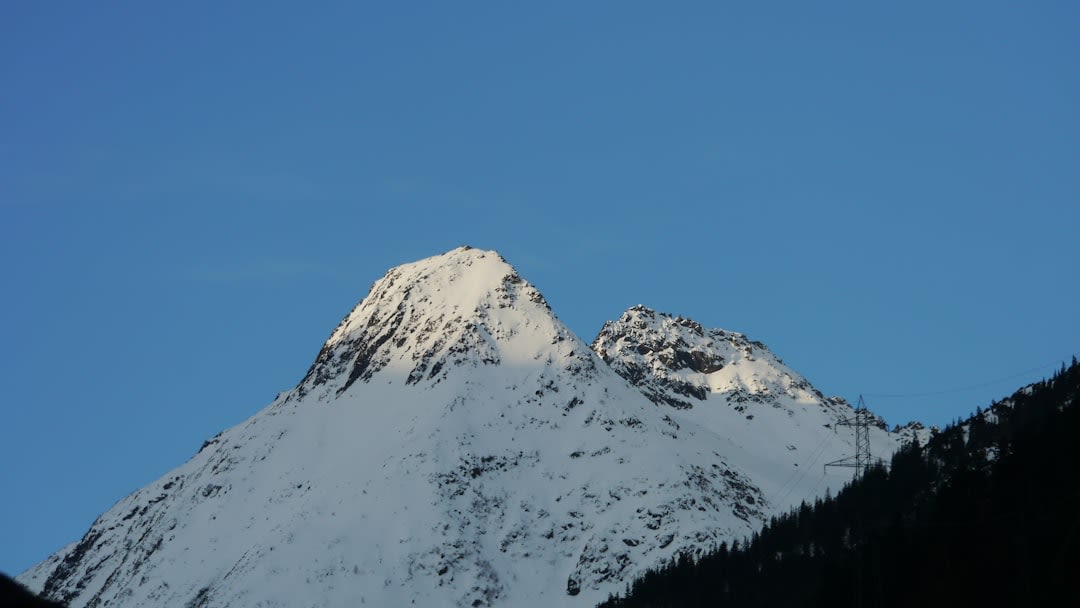
The valley’s signature is Habba Khatoon, a startlingly symmetrical pyramid-shaped peak named after a sixteenth-century Kashmiri poetess and queen who, according to local telling, wandered these hills composing verses of longing after being separated from her husband, a shepherd-turned-king exiled by the Mughals. Whether or not the story is literally true in every detail, it has attached itself permanently to the mountain, and I found myself thinking about her more than I expected to as I watched the peak change colour through a long afternoon, gold to pink to a deep blue-grey as the sun dropped behind the ridgeline.
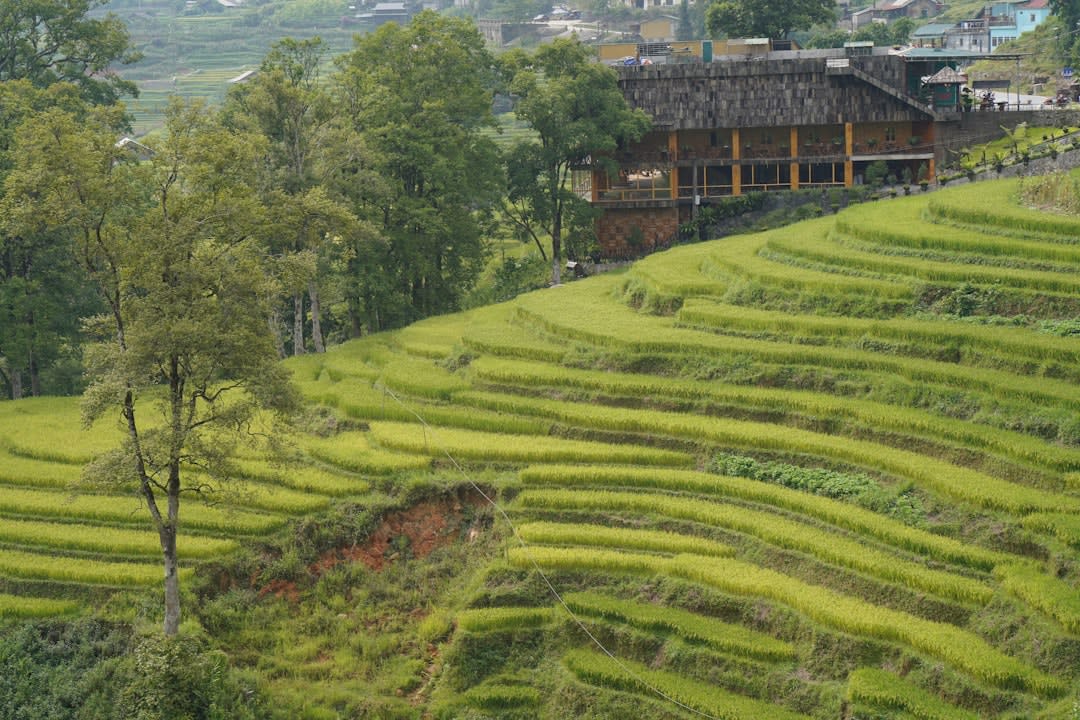
The people of Gurez are mostly Dard-Shin, an ethnic community distinct from the rest of the Kashmir valley, with their own language and a way of building — stone and timber houses with steeply pitched wooden roofs designed to shed the valley’s heavy snow — that looks nothing like the architecture further south. I stayed in the main village of Dawar, ate a dinner of local trout with a family who ran a small guesthouse, and listened to the grandfather describe winters so isolating that the valley used to be cut off from the rest of Kashmir for months at a stretch, supplies carried in on foot before the road existed. Tourism only reopened here in 2007, and it still shows in the best possible way: nobody has quite worked out how to package this place yet.
When to go: June through September, the only months the Razdan Pass is reliably open. Arrange your inner-line permit in Srinagar at least a day or two ahead of travel.
Keep exploring
More from Kashmir
 kashmir
 Kokernag
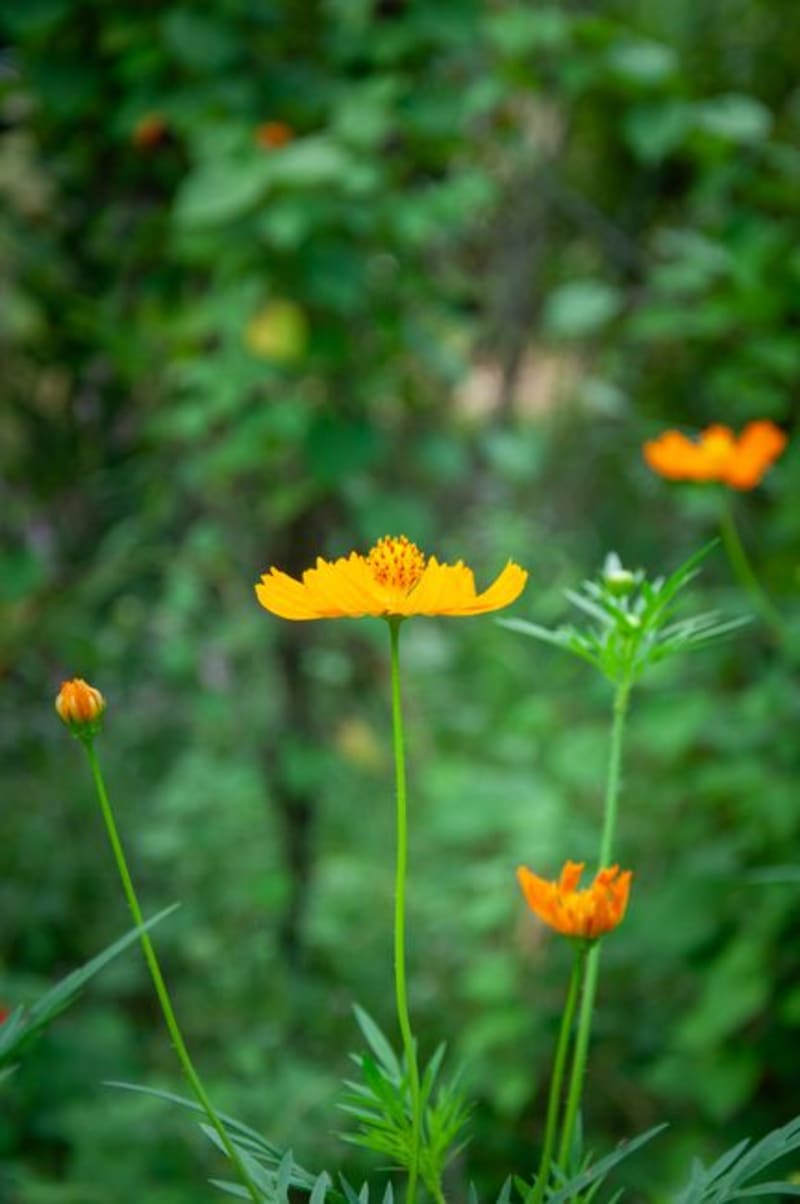
A terraced garden fed by dozens of freshwater springs, quieter and greener than anything Srinagar's Mughal gardens ever get to be.
Explore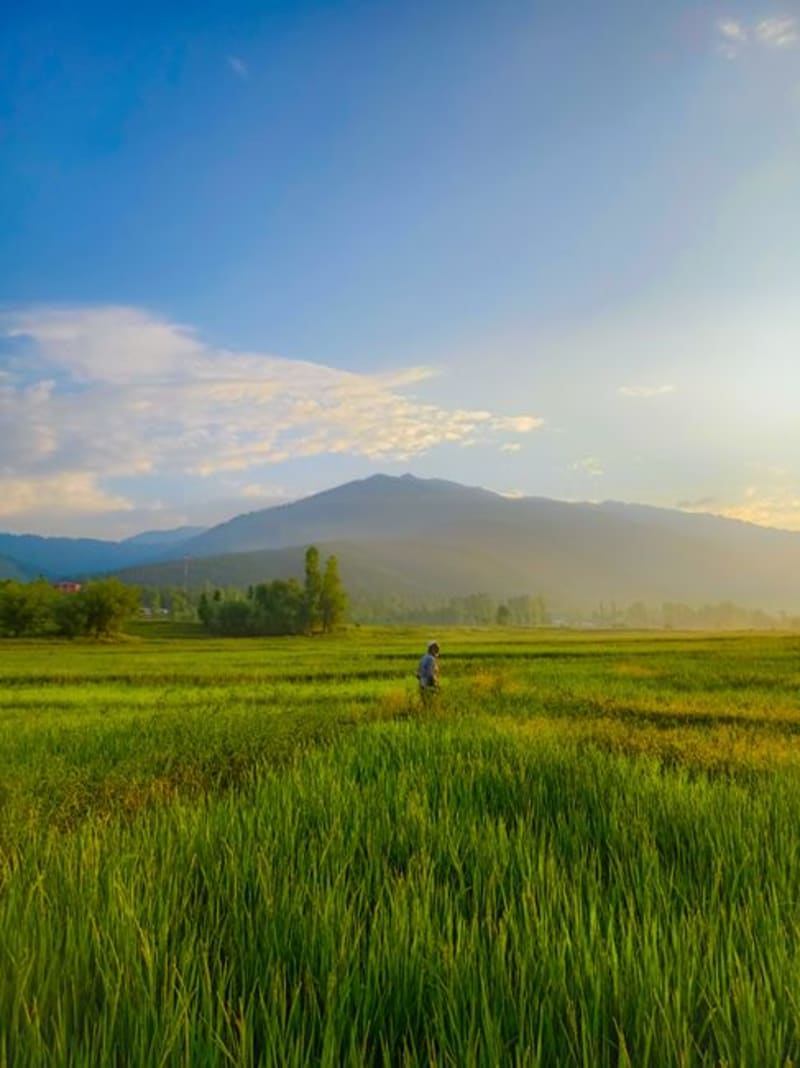 kashmir
 Lolab Valley
A forested valley near Kupwara whose name translates, roughly, to something like a valley of love — and nobody I met disagreed with the description.
Explore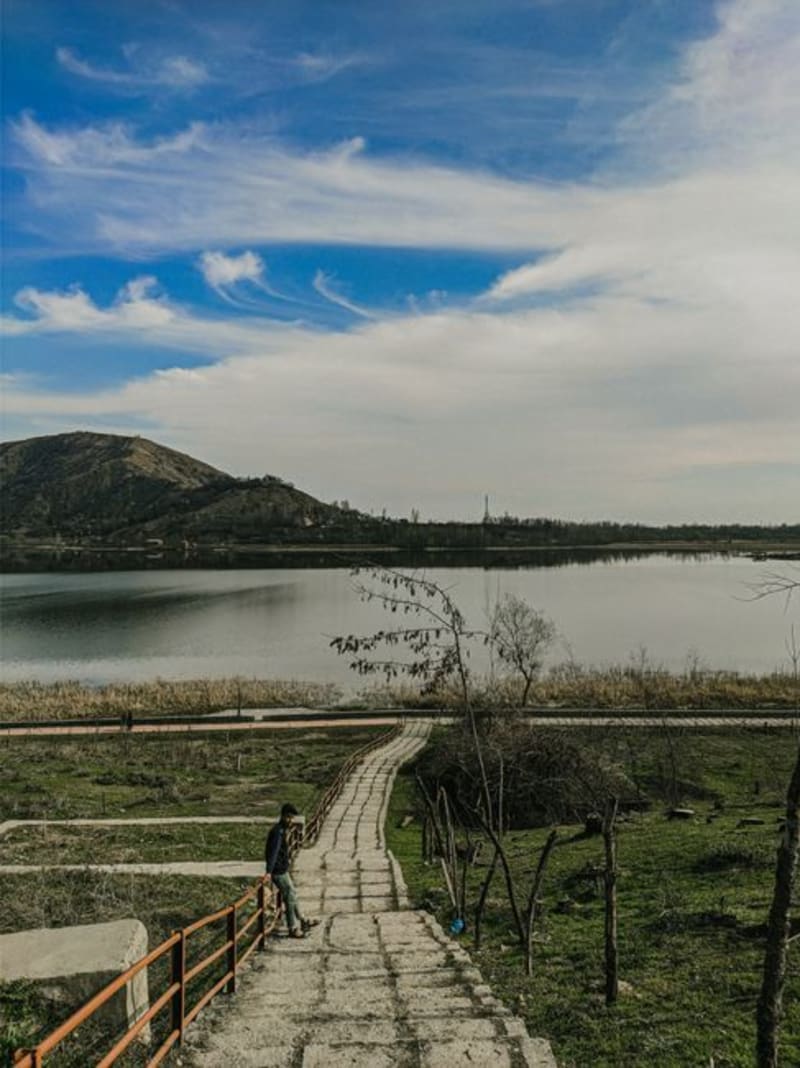 kashmir
 Manasbal Lake
A freshwater lake the Mughals called the supreme jewel of Kashmir's waters, still fringed with lotus flowers and almost entirely without tourists.
Explore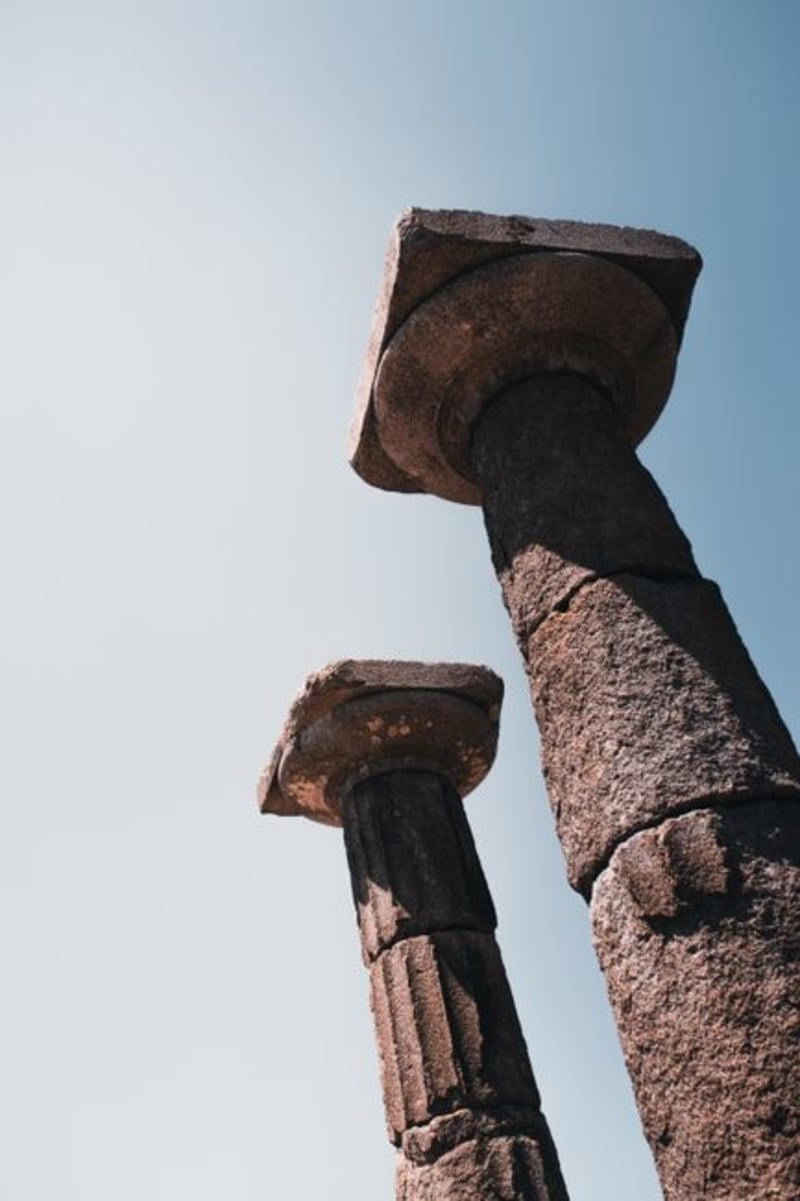 kashmir
 Martand Sun Temple
An eighth-century ruin of colossal stone columns standing alone on a plateau, built by a king who wanted his temple to outlast his kingdom.
Explore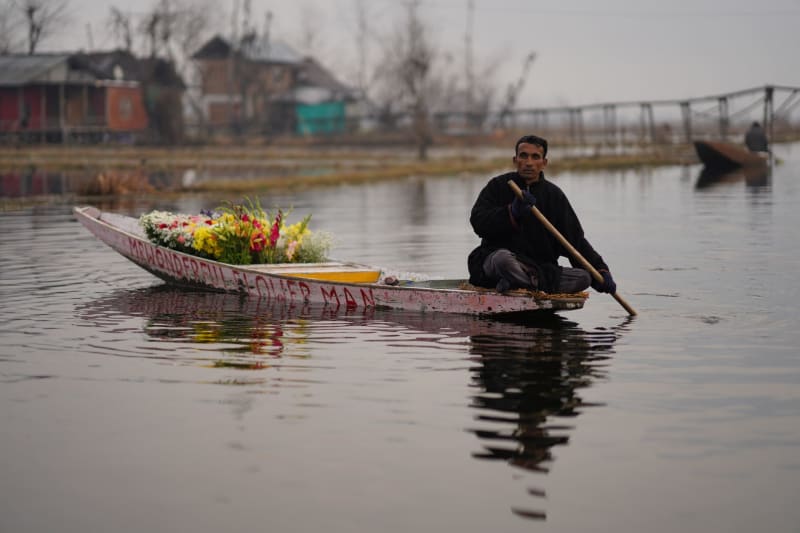 kashmir
 Nagin Lake
Dal Lake's quieter sister — cleaner water, fewer crowds, and an evening light that makes you understand why poets kept coming here.
Explore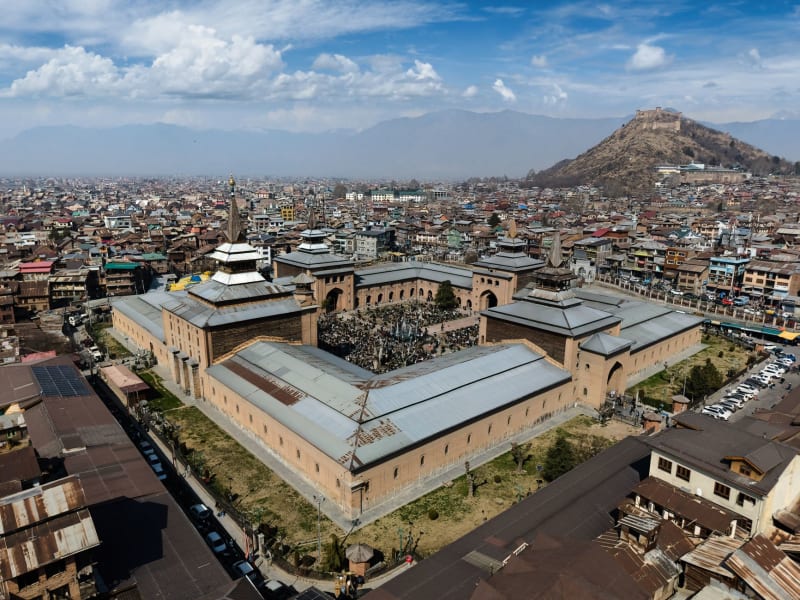 kashmir
 Old Srinagar
The city's wooden heart — Mughal mosques, craft workshops, and bazaars where saffron is sold by the grain and the lanes remember six centuries.
Explore