A river town on the Jhelum where the valley narrows toward the outside world, carrying its history more openly than most of Kashmir does.
Baramulla doesn’t show up on the shortlist most visitors make before coming to Kashmir, and I understand why — it lacks the postcard clarity of Gulmarg or the lake-centred romance of Srinagar. But I’m glad I stopped there on the drive toward Uri, because Baramulla is where the Jhelum River gathers itself before leaving the valley entirely, cutting through the Pir Panjal on its way toward Pakistan, and there’s something about a town built at that specific kind of geographic hinge point that I find hard to resist.
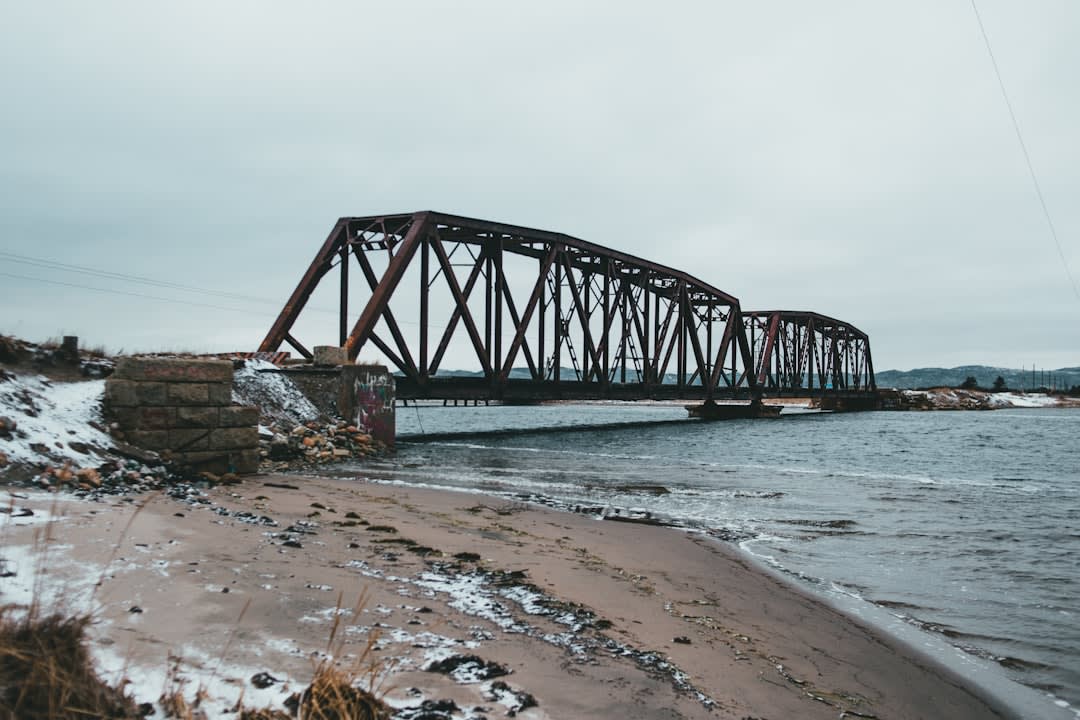
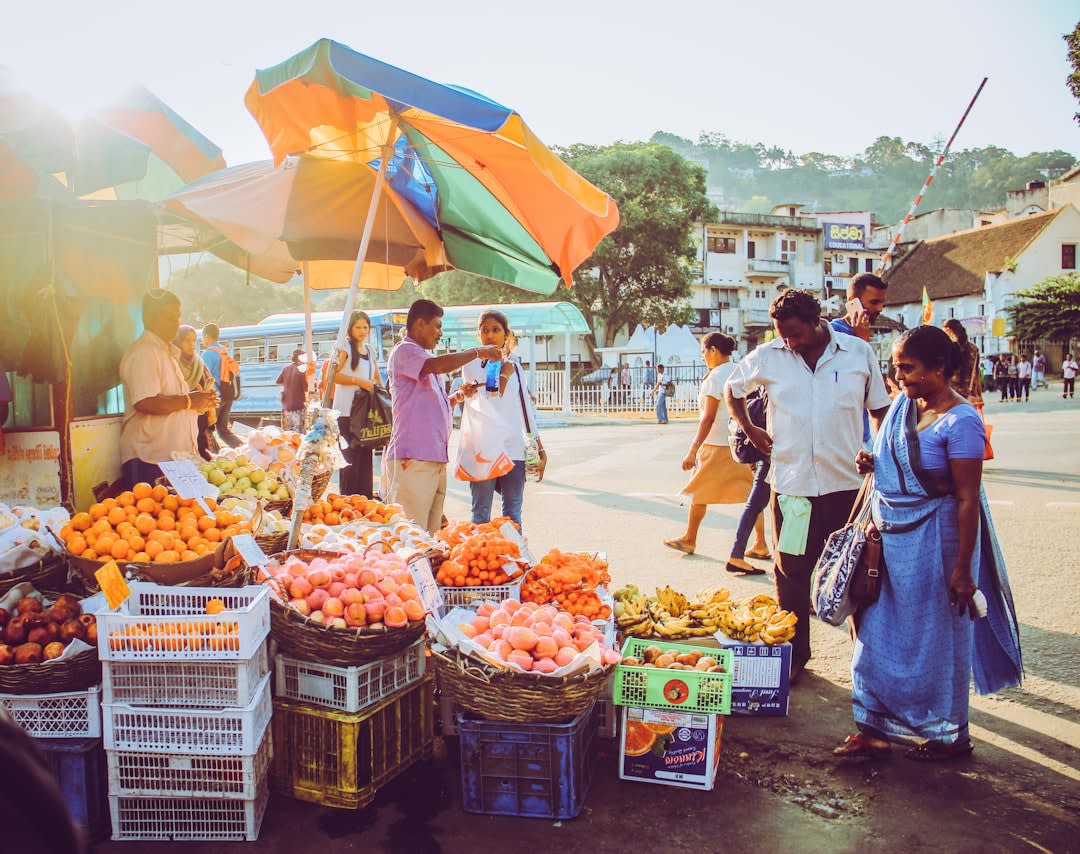
The old town sits right along the riverbank, wooden houses with carved balconies leaning slightly toward the water the way old riverside architecture tends to after a century of settling. An iron bridge, colonial-era and still carrying traffic, crosses the Jhelum at the town’s centre, and I spent a good hour just leaning against its railing watching the river move — fast, brown-green, carrying the occasional uprooted branch down from somewhere higher in the valley. Fruit sellers lined the approach roads with crates of apples stacked in pyramids, this being one of the major collection points for the orchards that blanket the hills around town.
Baramulla carries its history more visibly than most Kashmiri towns. It was here that the events of 1947 first broke into the valley, and older residents I spoke with — carefully, in a tea stall near the bridge — still referenced that period with the particular weight of people whose town became a footnote in someone else’s national story. Nobody I met wanted to dwell on it at length, and I didn’t push. What they wanted to talk about instead was the fishing, the apple harvest, and whether I’d tried the local version of harissa, a meat-and-rice porridge cooked overnight that a shopkeeper insisted, with total conviction, was better in Baramulla than anywhere else in the valley. I ate a bowl standing up at his counter. I wasn’t in a position to argue.
When to go: September and October, during the apple harvest, when the town and surrounding orchards are at their most active. It also makes a natural stop on the road toward Uri and the Line of Control viewpoints, best done as a day trip from Srinagar.
Keep exploring
More from Kashmir
 kashmir
 Dal Lake
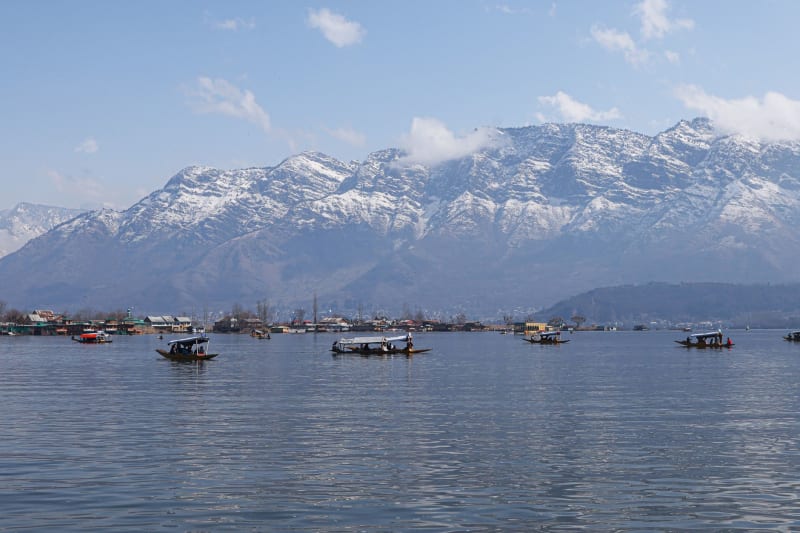
A lake so alive with floating markets, houseboats, and mountain light that stillness here has a texture all its own.
Explore kashmir
 Doodhpathri
The Valley of Milk — a remote meadow where streams run so white over limestone that the name makes complete sense when you're standing in it.
Explore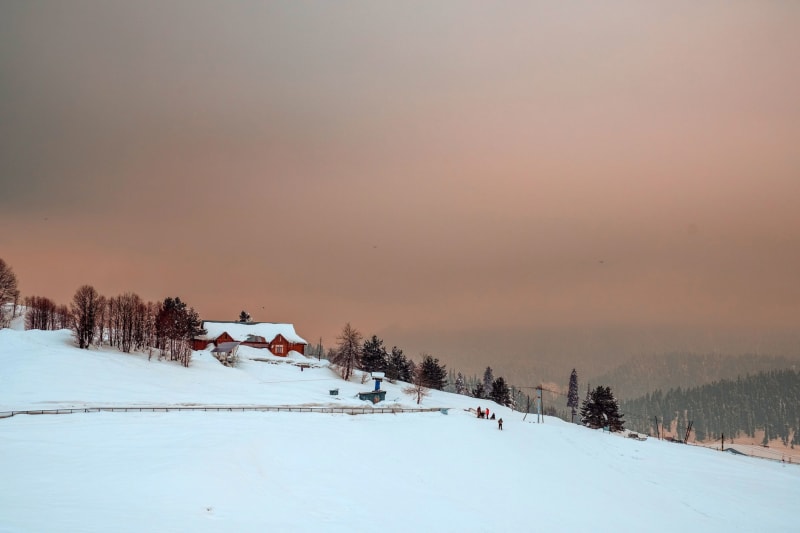 kashmir
 Gulmarg
A high meadow that becomes one of Asia's great ski mountains in winter and a wildflower cathedral in summer.
Explore kashmir
 Gurez Valley
A remote valley near the Line of Control where a pyramid-shaped peak named for a poet-queen watches over a river running out of Kashmir entirely.
Explore kashmir
 Kokernag
A terraced garden fed by dozens of freshwater springs, quieter and greener than anything Srinagar's Mughal gardens ever get to be.
Explore kashmir
 Lolab Valley
A forested valley near Kupwara whose name translates, roughly, to something like a valley of love — and nobody I met disagreed with the description.
Explore