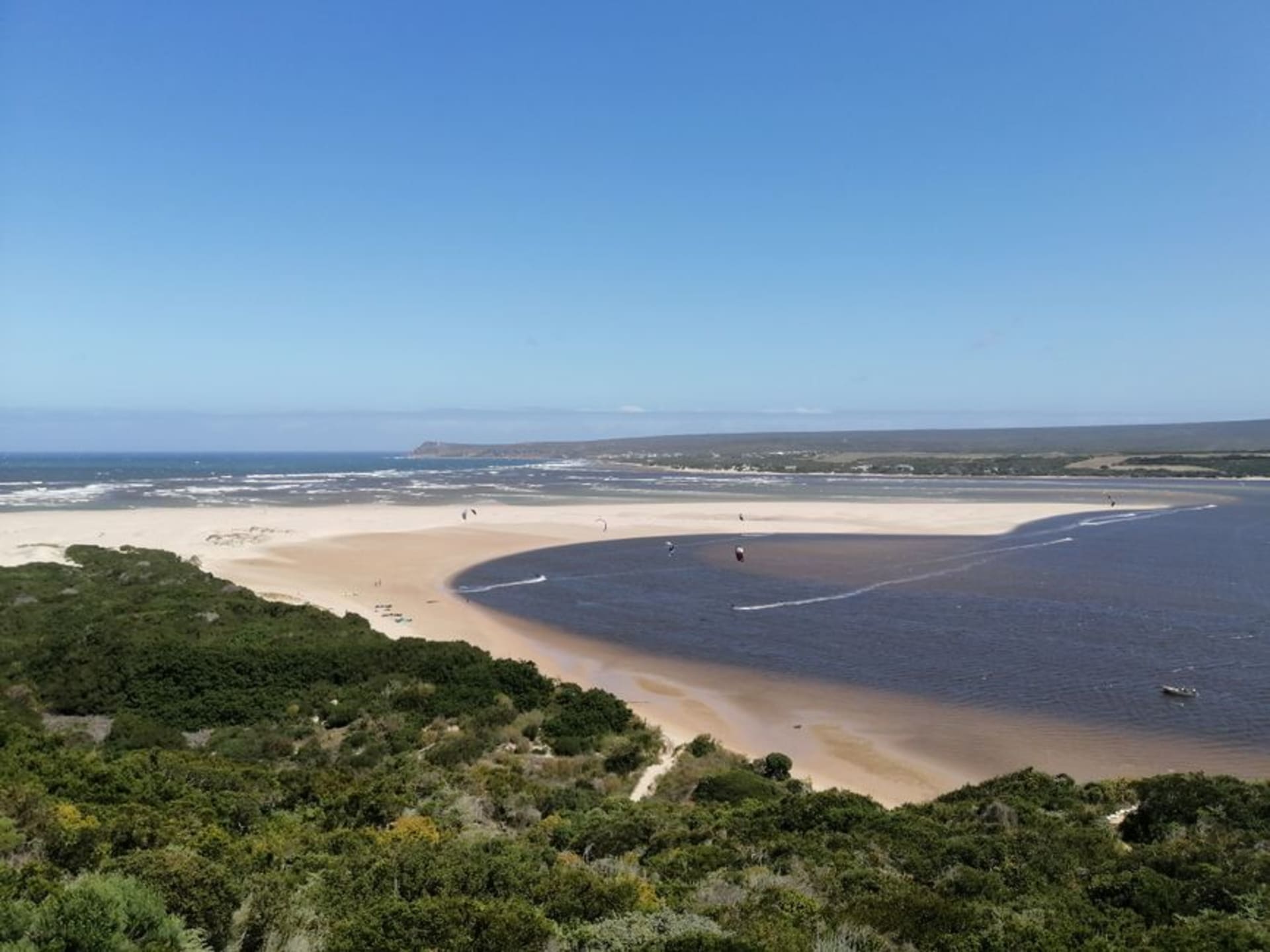
A remote pocket of the southern Kalahari where white dunes rise against red sand and roar when they collapse.
Lia found Witsand on a map almost by accident, a scrap of white in a sea of red-brown dots marking the rest of the Kalahari. Neither of us had heard of “roaring sands” before, and I’ll admit I was skeptical that dunes could actually make noise. We drove in from the north on a dirt road so quiet we didn’t see another car for two hours, and by the time the reserve’s gate appeared I’d mostly forgotten why we’d bothered coming all this way. Then we crested a rise and saw them: two pale white dune ridges sitting in the middle of the red Kalahari like something had been spilled there. It’s a strange, almost artificial-looking sight, and I kept asking the ranger at the gate what caused it. He shrugged and said nobody’s entirely sure, something about the mineral makeup of the sand grains, but that Witsand is one of maybe a dozen places on earth where this happens at all.
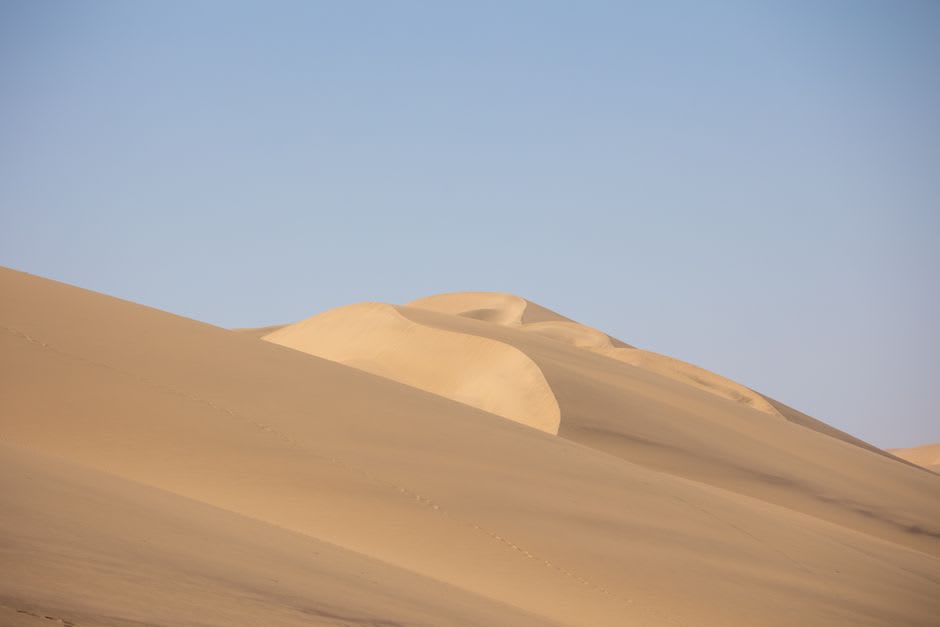
We hiked up the steeper of the two dunes late in the afternoon, and I’ll be honest, I went up mostly to test the sound thing rather than for the view. Near the top, where the slope steepens and the sand gets loose, I gave it a push with my boot and let a small slide go. What came back wasn’t a hiss or a crunch, it was a low, resonant boom that seemed to come from somewhere under the dune rather than from the sand itself. Lia laughed and said it sounded like the desert clearing its throat, which is honestly the best description I’ve heard. We spent a good twenty minutes just triggering little slides and listening, feeling almost childish about it, before the sun dropped low enough to turn the white sand pink and we just sat and watched instead.
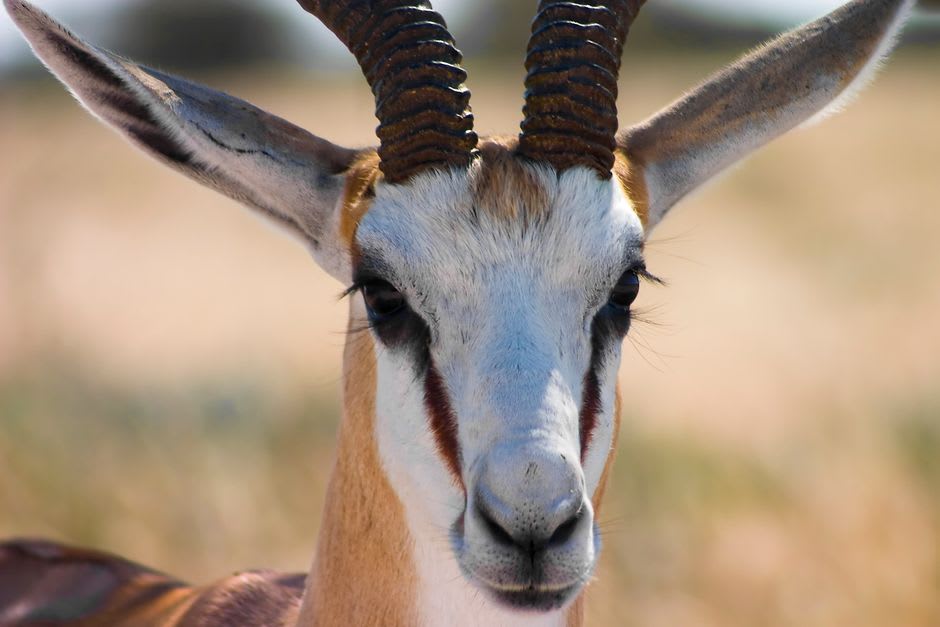
The wildlife at Witsand doesn’t announce itself the way it does in the bigger Kalahari parks, but it’s there if you’re patient. At dusk we parked near one of the seasonal pans and watched a small herd of gemsbok pick their way across the flat, their horns catching the last light, and springbok kept skittering along the treeline the whole drive in. A ranger told us the pans pull in an impressive range of birds when there’s been rain, though we visited in a dry stretch and saw mostly the resident hornbills and a pair of pale chanting goshawks working the dune edges.
Witsand isn’t a place you stumble into on the way to somewhere else, it takes real effort to reach, and I think that’s part of why it stuck with me. There were maybe two other vehicles in the whole reserve the day we visited. We slept in one of the reserve’s simple chalets that night, and I remember lying awake for a while just thinking about a dune that roars.
When to go: Aim for the cooler months between April and September, the Northern Cape summer heat here is brutal and makes both the hike up the dunes and the wildlife-watching far less rewarding.