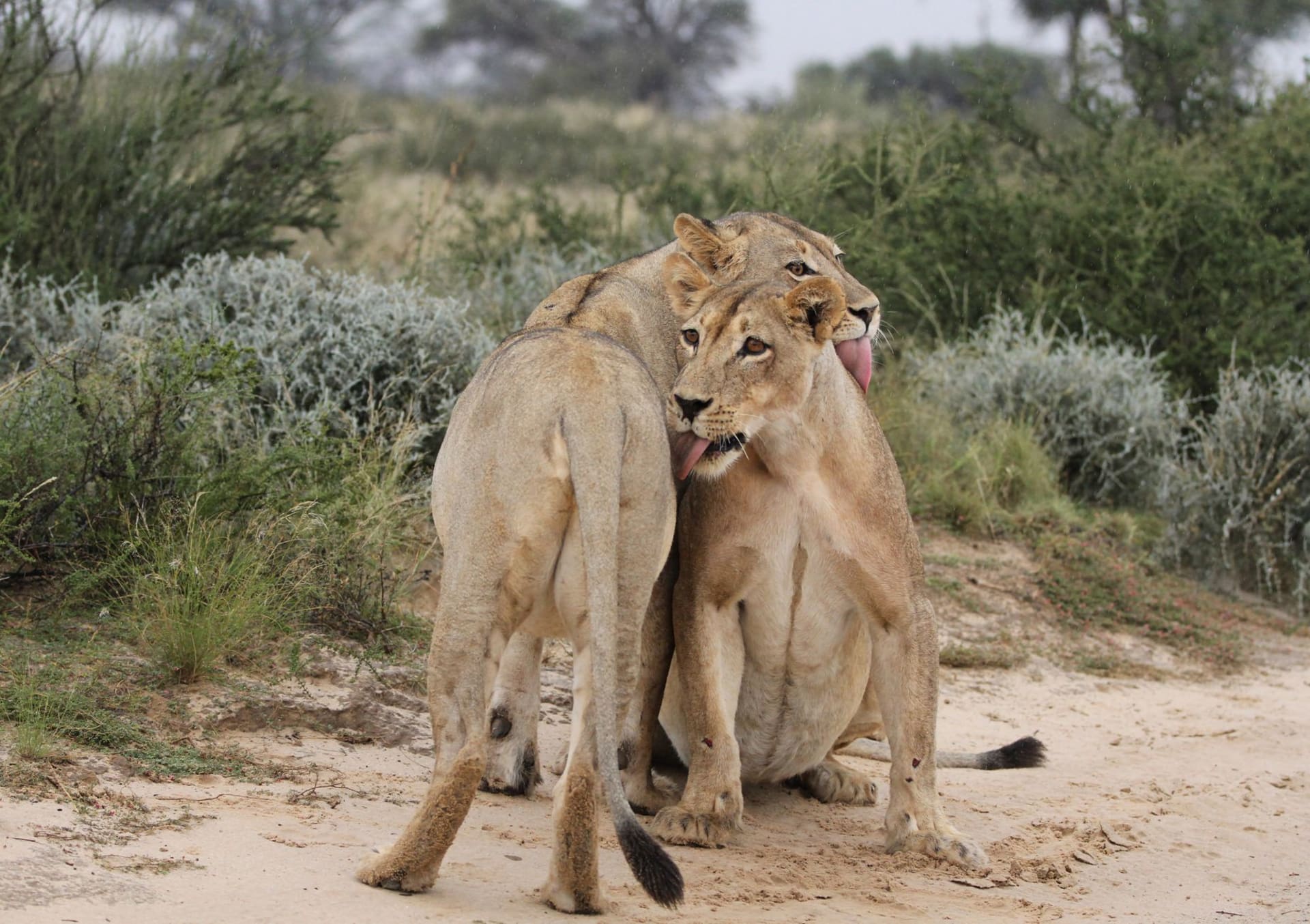
Tswalu Kalahari
"We waited two hours for a pangolin. When it finally unrolled, Lia cried, and I pretended I hadn't."
I’ll say upfront that Tswalu is not a place you stumble into. It’s a private reserve in South Africa’s Northern Cape — the largest in the country, a vast private holding of restored Kalahari bushveld against the Korannaberg mountains — and it costs what places like that cost. We went once, for a milestone neither of us will admit to caring about, and I have thought about it roughly weekly ever since. The pitch of Tswalu is the opposite of the Big Five circus. Here the headline acts are the animals nobody else can reliably show you: pangolin, aardvark, brown hyena, meerkat, the black-maned lions of the desert.
The animals you never see anywhere else
The morning we waited for a pangolin, I understood what the place is actually selling. It isn’t luxury, though the lodge is absurdly comfortable. It’s access and time. Tswalu runs very few vehicles across an enormous area, which means a tracker can spend two hours following the scuffed sand-trail of a single pangolin — an animal so rare and so nocturnal and so shy that most people who spend their whole lives in the bush never see one. Ours had dug itself into a burrow. We waited. The tracker, a man named Boetie who read the ground like a newspaper, was certain it would come out to feed. When it finally unrolled and went snuffling across the red sand on its hind legs, scaly and prehistoric and entirely indifferent to us, Lia cried, and I pretended I hadn’t.

The meerkats are the other revelation, and they’re a different kind of magic. A habituated colony near the lodge has decided humans are warm and harmless, and on a cold morning the sentinels will climb onto whatever’s tallest to catch the first sun — sometimes a boulder, sometimes, if you sit very still, your knee. I had a meerkat use my shoulder as a watchtower for a full minute, scanning the sky for raptors, its little body radiating an indignant warmth. I have rarely been so honoured and so afraid of moving.
The land itself
What I didn’t expect was how much the landscape would get under my skin. The Kalahari here isn’t dunes-only desert; it’s grass and ancient red sand and the low Korannaberg mountains, and after summer rain the whole thing turns improbably green, thick with oryx and springbok and wildebeest. We drove up into the hills one evening and watched the light go copper across the grassland, the dunes glowing like embers, and a herd of eland — the largest antelope, the size of cattle — moving through it without hurry.
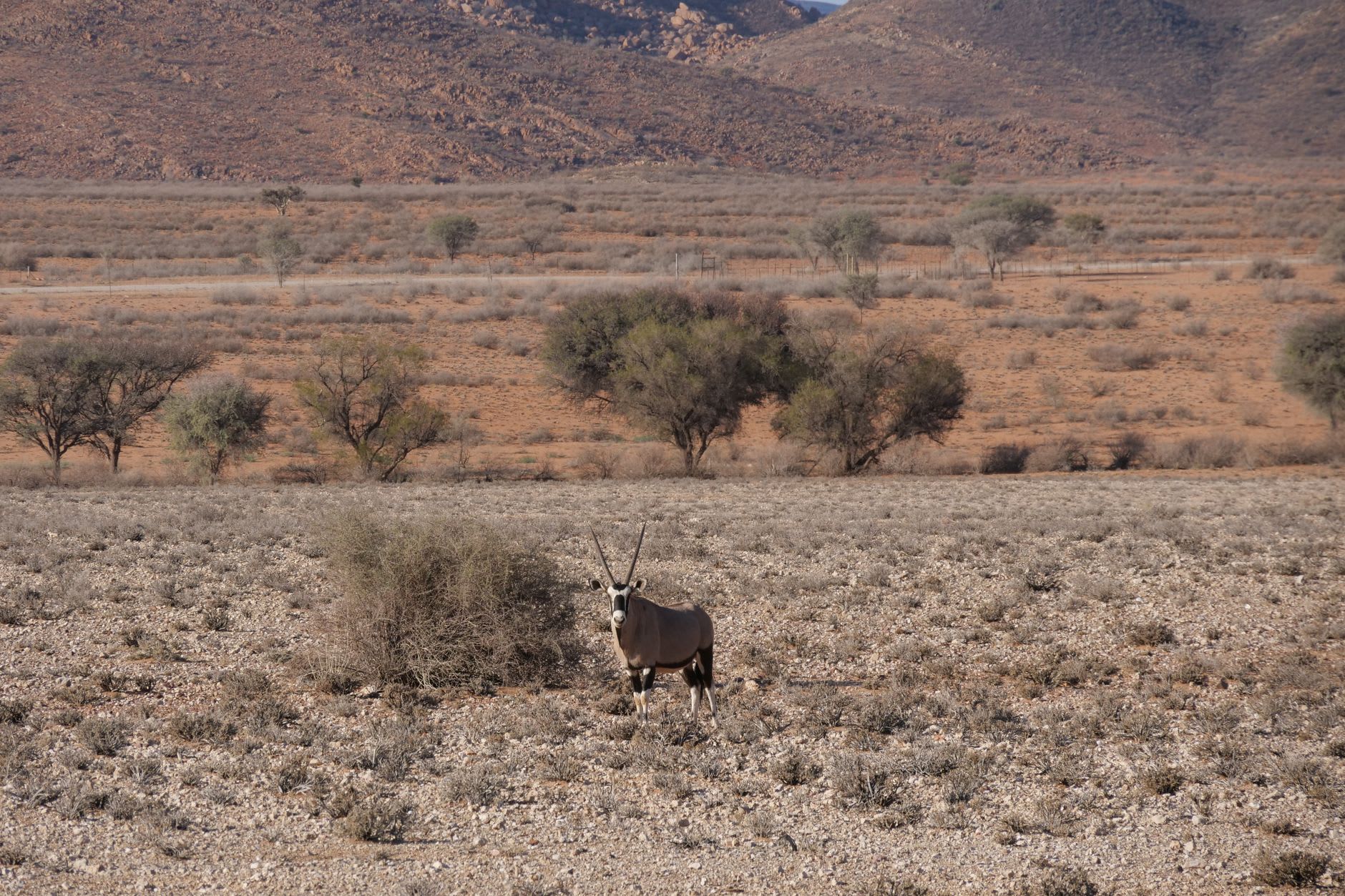
Tswalu’s whole philosophy is restoration — the reserve was assembled from old farmland and hunting land and slowly returned to something like its original self, fences down, predators back, research stations counting things. You feel that intent everywhere. It’s the rare expensive place that seems to be spending the money on the right thing. I can’t tell you it’s affordable. I can tell you that of all the wild places I’ve been, it’s the one Lia and I still talk about in the present tense, as though we might be going back next week.
When to go: The green season from December to April brings dramatic skies, newborn animals, and the best chance for the smaller desert specialists, though it’s hot. The dry winter months from May to September are cold at dawn but bring superb predator sightings and crisp, clear light.