Nxai Pan National Park
"The pan is so flat and the sky so wide that the horizon looks like something someone drew with a ruler."
The road to Nxai Pan leaves the A3 highway and immediately forgets about comfort. For the last forty kilometers you are on sand track through mopane scrub that thins gradually until the bush simply stops and the pan begins — a flat white surface of cracked salt clay that stretches to the tree line, interrupted only by a cluster of massive baobabs standing at the southern edge like monuments someone forgot to label. It was the baobabs I had come for, specifically. The group known as Baines’ Baobabs, named for the Victorian explorer Thomas Baines who painted them in 1862 and whose watercolor, I later discovered, looks almost identical to the trees as they stand today. They are perhaps two thousand years old. The same individuals, the same configuration, barely changed across a century and a half of paintings and photographs. Standing beneath them in the late afternoon, I had the peculiar sensation of being inside a painting that had been going on without me.
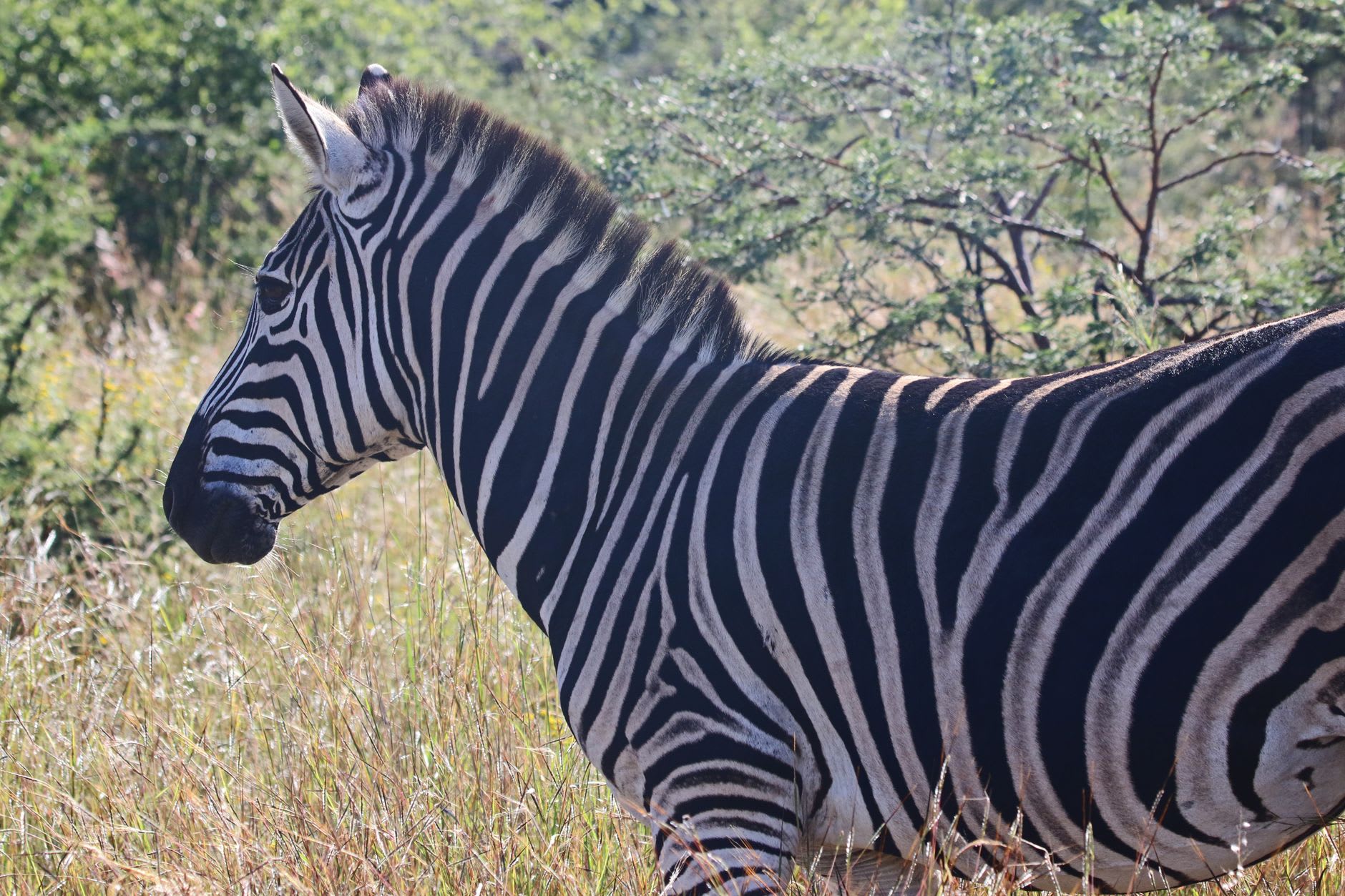
Nxai Pan is smaller and more accessible than the Central Kalahari — a two-hour drive from Maun on reasonable roads — which gives it a slightly different energy than the deeper reserves. But the pan itself is indifferent to tourism classifications. During the wet season, when the rains fill the surface and temporary pools form across the white clay, it becomes a calving ground for zebras and wildebeest — tens of thousands of animals in the Kalahari’s own version of the East African migration. The numbers are smaller but the backdrop is more surreal: a white salt flat under a massive sky, zebra foals still finding their legs in the shimmer, the horizon so flat and so far away it might be the edge of the continent.
At night, the main camp sits at the pan’s edge and sounds carry clearly across the flat surface. I woke twice to lions calling somewhere beyond the camp boundary — not roars exactly, more a series of grunts building in intensity, a sound that bypasses intellect and goes straight for the adrenal gland. In the morning their tracks were visible in the soft sand outside the perimeter fence, the paired oval impressions overlapping, a measured nighttime circuit that had brought them within twenty meters of where I slept.
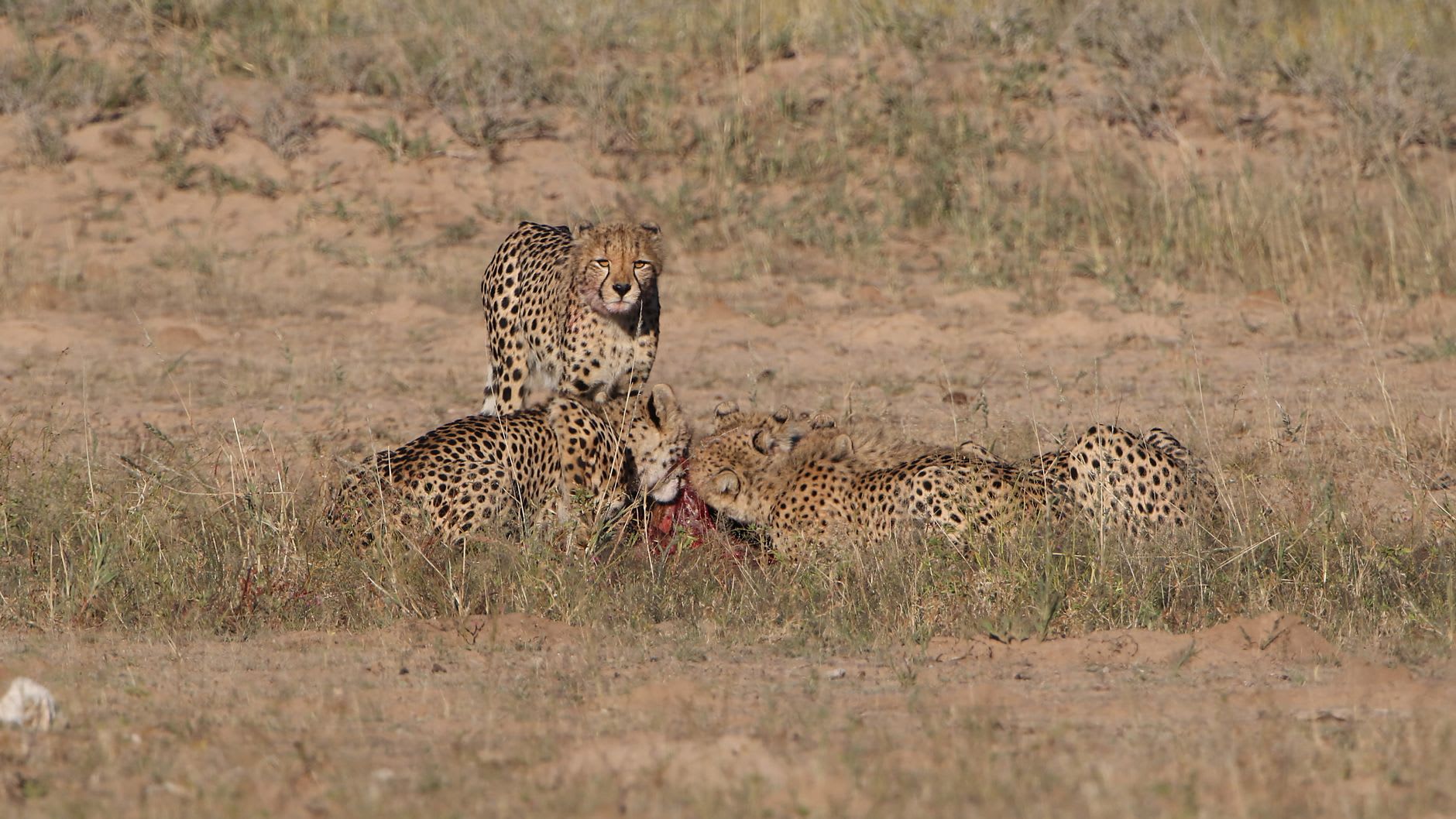
The park holds brown hyenas, bat-eared foxes, and aardwolves for the patient and the nocturnal. During the dry season a small resident elephant population arrives at the waterhole each dusk with a reliability that feels almost ceremonial — a family of six or eight, moving with deliberate slowness toward the water as the sky behind them loses its daylight and the stars begin their slow assembly overhead. The performance requires no ticket and no guide. You simply wait, and it arrives.
When to go: November through March for the zebra migration and the extraordinary storm skies of the wet season. June through August for dry-season game viewing and cold clear nights. The road is graded and generally passable in a 2WD sedan in the dry season, making Nxai Pan one of the more accessible Kalahari experiences — though a 4x4 opens the secondary tracks.