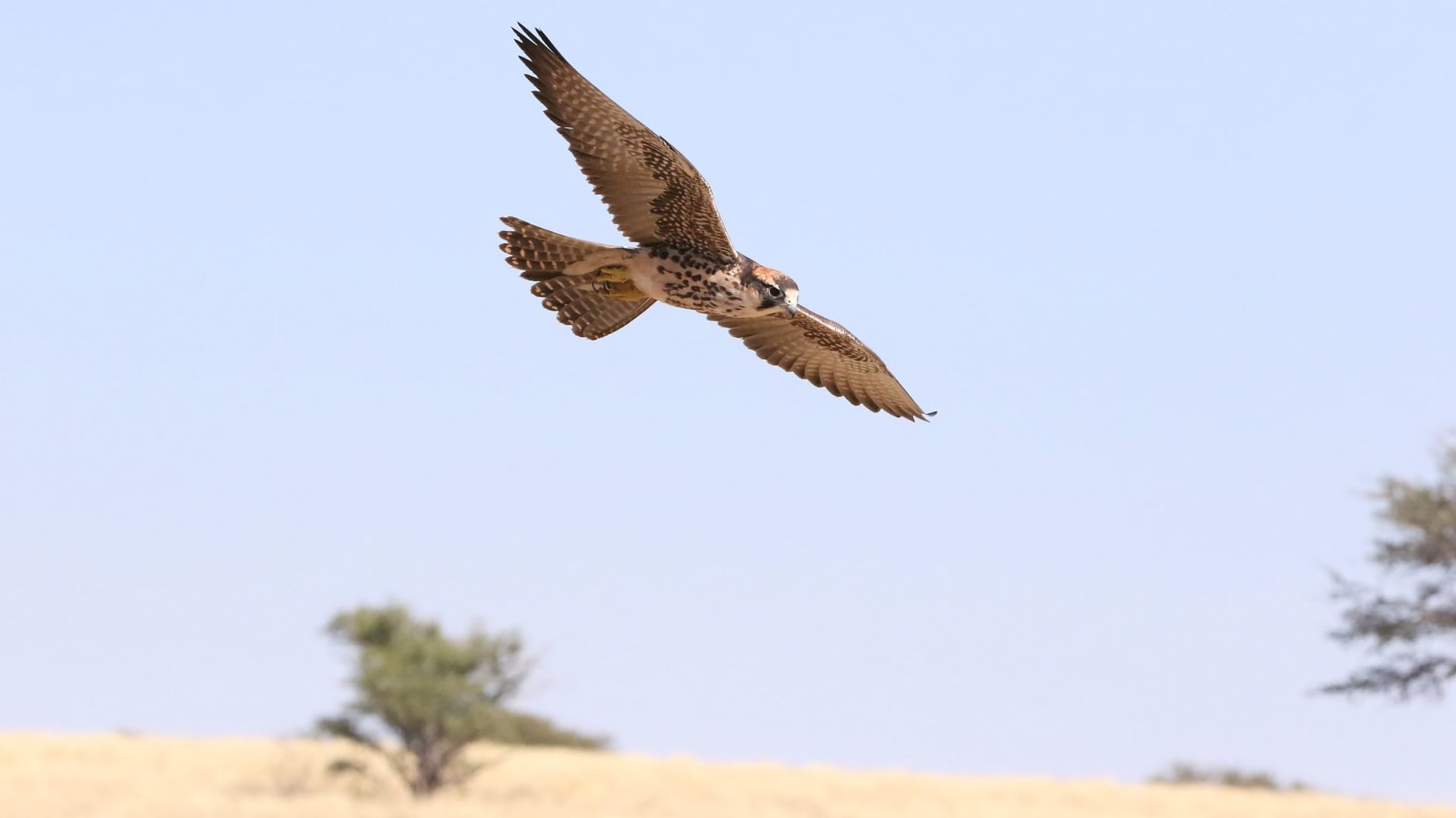
Mabuasehube
"When you are the only vehicle in 3,500 square kilometers, the desert stops performing and just exists."
I made a mistake with Mabuasehube. I arrived in early August thinking it would be like a quieter version of the Kgalagadi — which is itself already quiet — and I was not mentally prepared for what quiet actually means out here. The reserve occupies a section of the southern Kalahari that manages to be simultaneously part of the Kgalagadi Transfrontier Park and entirely different from it in character. There are no tarred approach roads, no camp shops, no park staff beyond the gate official who logged my entry and said, with what felt like genuine concern: “You have water for five days?” I had water for five days. “Good,” he said, and gave me the register to sign without further elaboration.
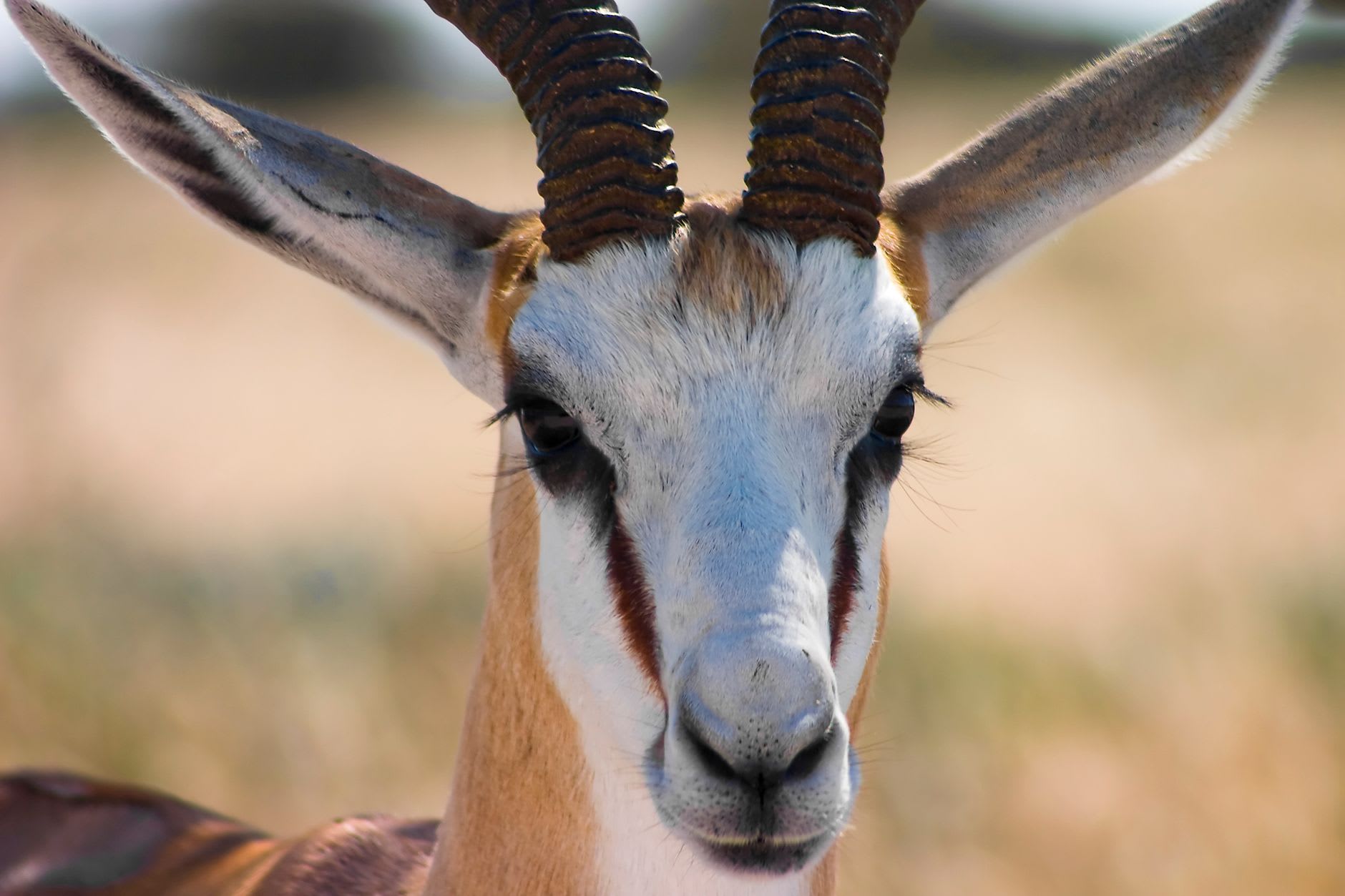
The reserve is defined by its pans — six or seven large clay pans in various states of seasonal dryness, each with a different microclimate and character. Mabuasehube Pan itself is the largest, a cracked white floor surrounded by red dunes that seem to lean over it with proprietary interest. At the pan’s edge, the remnants of past water are written in the tracks of everything that came to drink — gemsbok, wildebeest, springbok, lion, leopard, the delicate star-prints of bat-eared foxes. I drove slowly around the perimeter on the first morning, stopping every hundred meters to read the sand, and the accumulated record was extraordinary: an entire night’s animal movement preserved in dried mud, a document as legible as any archive once you know the vocabulary.
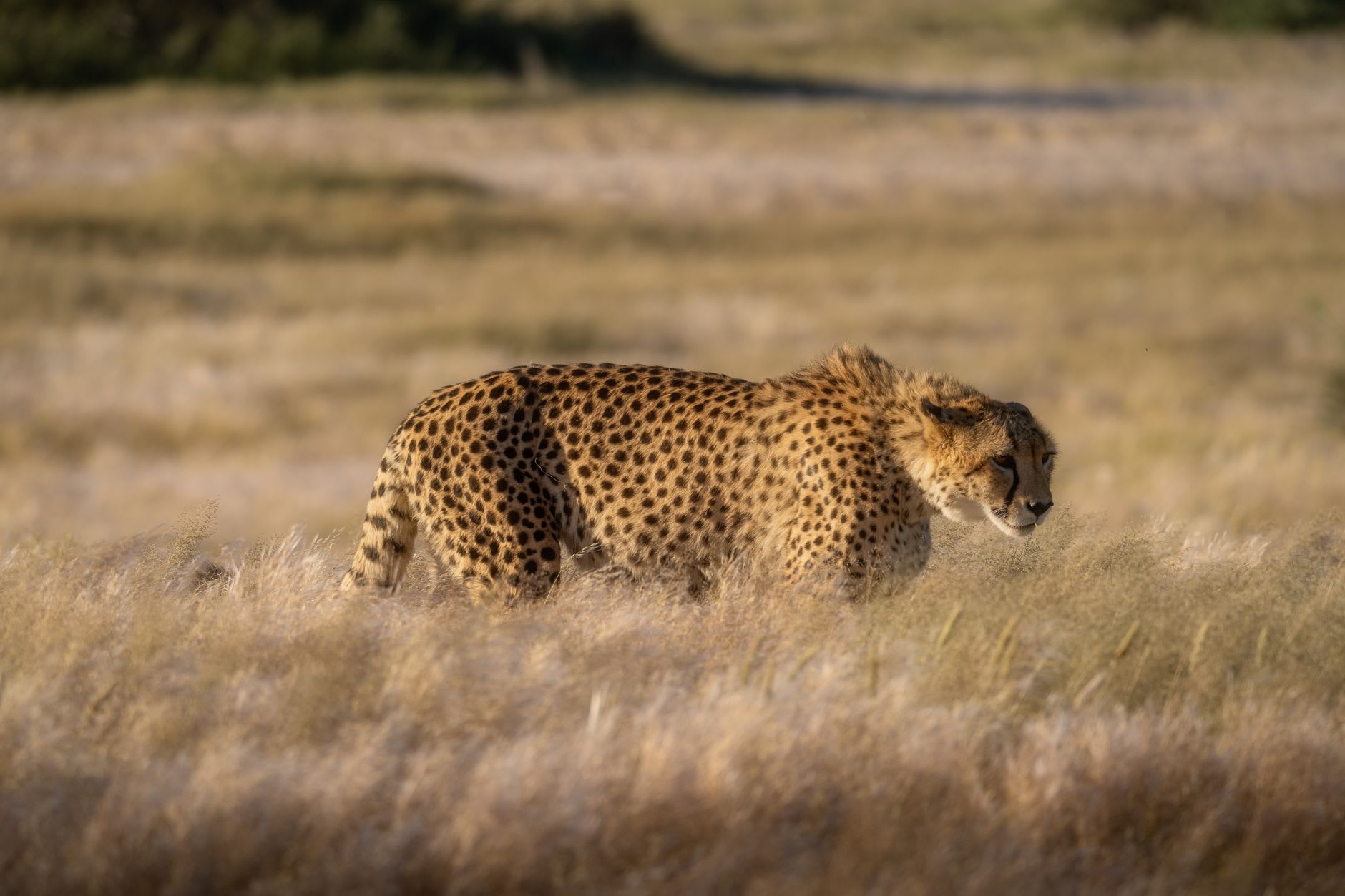
The predator sightings in Mabuasehube are not guaranteed, not managed, not directed by radio reports from other vehicles. There are no other vehicles. On the second day, I found a male cheetah under a shepherd’s tree near Monamodi Pan at eight in the morning. He had apparently been there for some time — two circling jackals were keeping a respectful distance. I turned off the engine and sat. He spent twenty minutes eating a springbok lamb I had not noticed beneath him, then stood, stretched in the absolute manner of cats, and moved off into the scrub at an angle that said the meal was finished and the morning was over. I wrote the time and coordinates in my notebook and sat for another ten minutes before starting the engine.
The stars at Mabuasehube are the best argument I can make for going. Thirty kilometers from the nearest village, with no electricity infrastructure for half a day in every direction, the night sky achieves a density I previously associated only with descriptions of the pre-electric world. The Milky Way is not a faint smear but a structure — a vast arm of the galaxy, textured, massive, arching overhead with genuine physical weight. I lay on the roof of the truck at midnight and stared until my neck ached. It was the best kind of inconvenience.
When to go: May through September only — the approach roads from Tsabong and the Kgalagadi side are 4x4-only deep sand tracks that become impassable in rain. Fully self-sufficient camping is mandatory; carry all water, food, and fuel for your entire stay plus emergency reserves. Do not enter without a second vehicle or, at minimum, a satellite communicator and a clear arrangement with someone who knows your itinerary.