Kgalagadi Transfrontier Park
"The black-maned lions of the Kgalagadi are not zoo lions wearing wild faces. They are something genuinely other."
The Kgalagadi straddles the border between Botswana and South Africa in a way that makes the concept of a border feel slightly absurd. The park — 38,000 square kilometers of it — does not acknowledge the line. The lions certainly don’t. When I entered through the South African gate at Twee Rivieren on a cold May morning, the ranger handed me a laminated map and pointed up the Nossob river valley with a finger that stopped just short of indicating exactly where the big cats were. “They were seen near Cubitje Quap yesterday,” he said. “But they move.” That caveat — they move — turned out to be the essential instruction for everything that followed over five days.
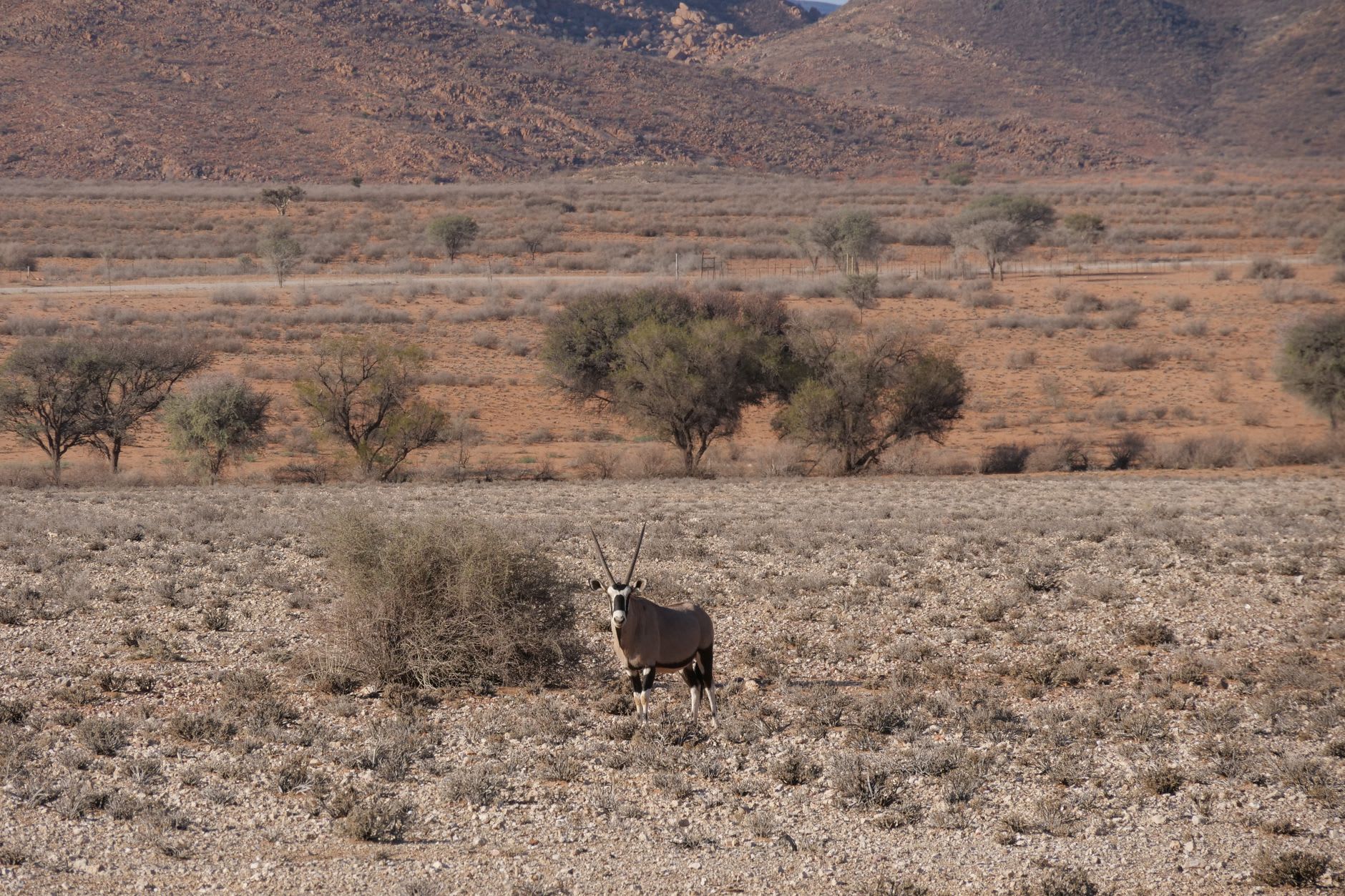
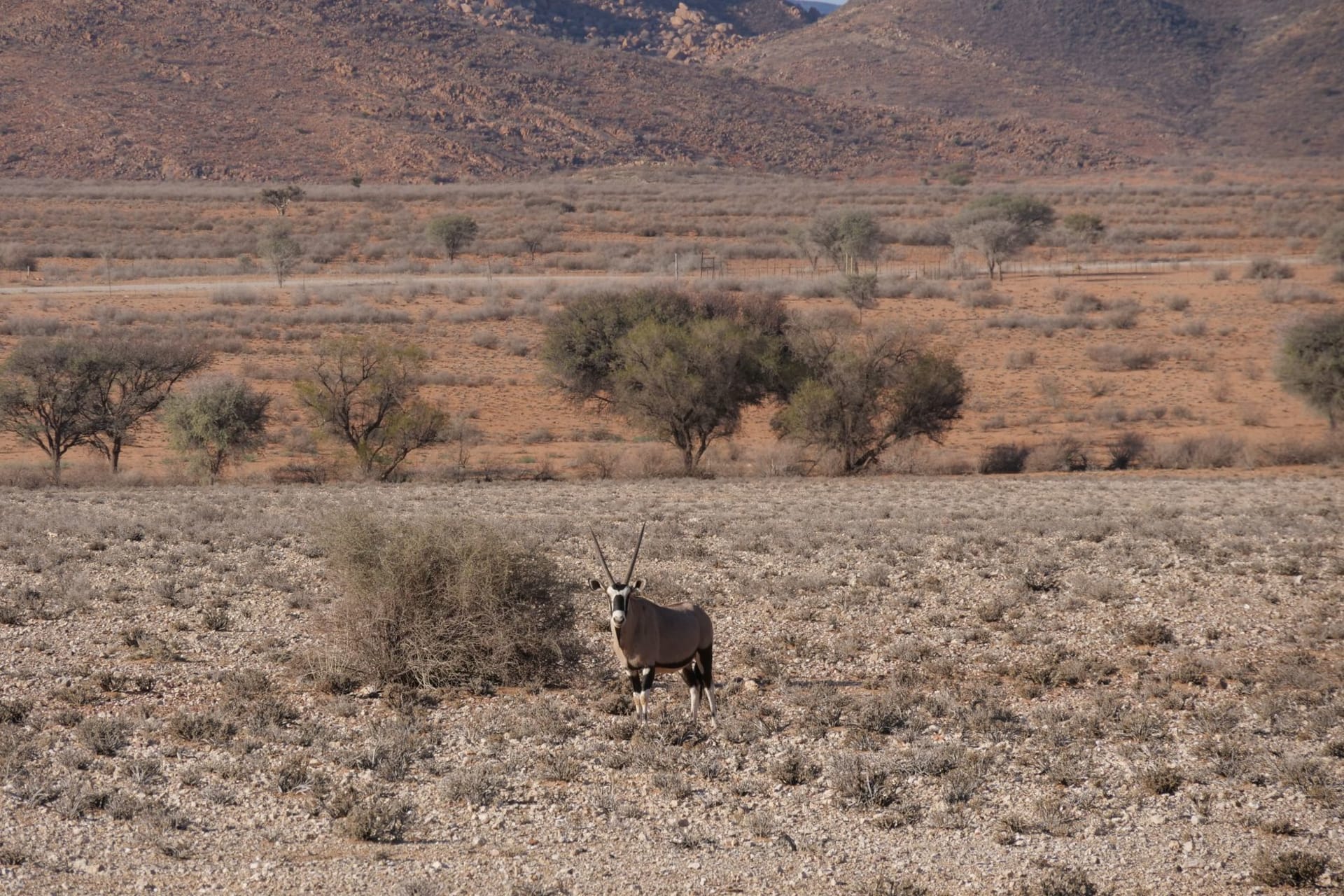
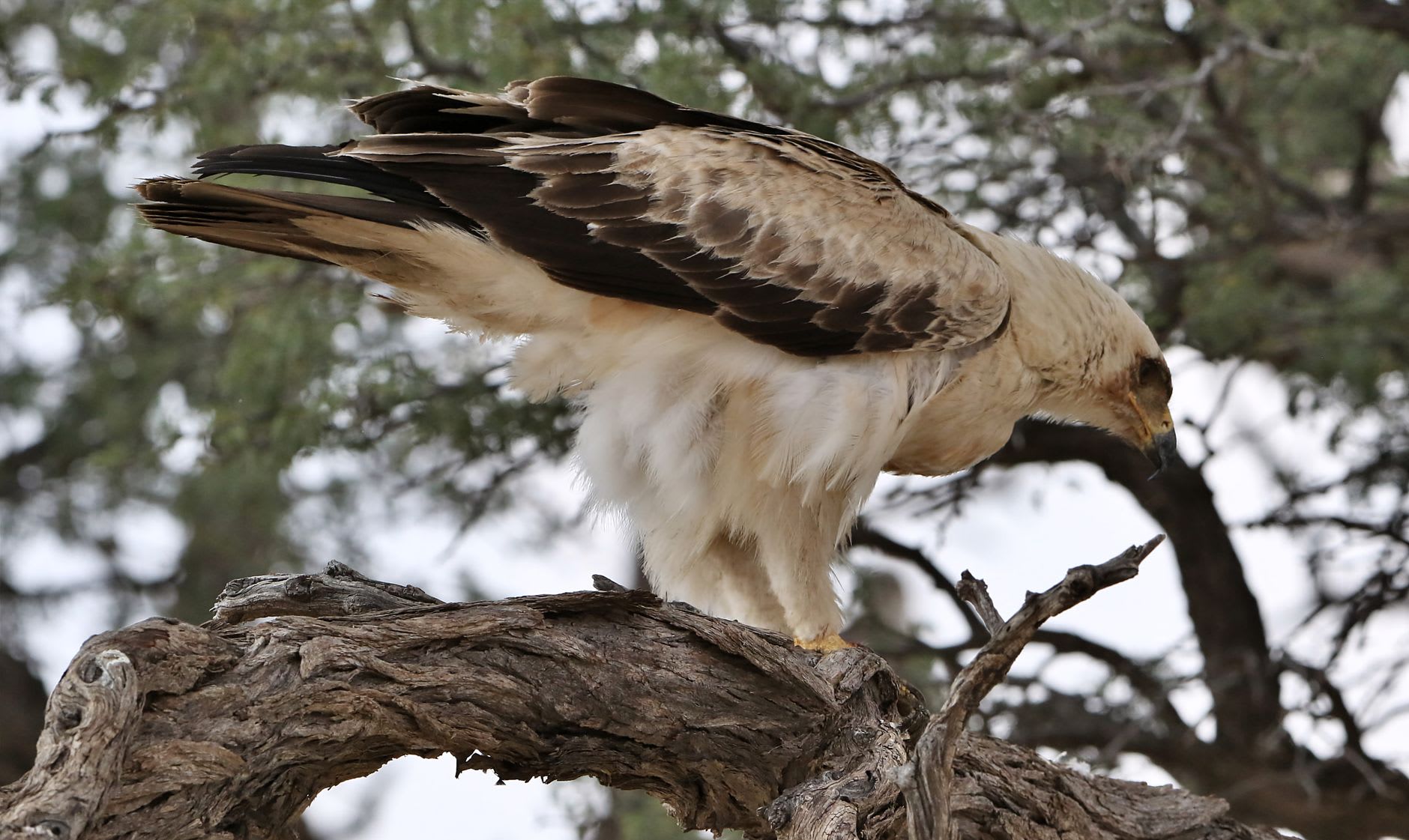
The landscape of the Kgalagadi is visually unlike anything else in the Kalahari system. The red dunes — their color produced by iron oxide coating each grain of sand — run in parallel ridges north to south, and between them the dry riverbeds of the Nossob and Auob cut long corridors where game concentrates. There is no surface water in these riverbeds for most of the year; what there are are artificial waterholes maintained by park management, and around these the animal drama of the Kalahari plays out with stark, theatrical clarity. Gemsbok and springbok come to drink and the cheetahs wait in the scrub twenty meters back. The raptors — martial eagles, lanner falcons, secretary birds — patrol from acacia crowns. And the black-maned lions use the dry riverbeds as highways, traveling at night and resting through the fierce midday heat in whatever shade they can find.
The black manes are a Kgalagadi peculiarity, shaped by the park’s particular conditions — cold nights, intense summer heat, and a population that has been relatively isolated over generations. The males are large and their manes are dark, sometimes almost black at the chest, and they carry themselves with a confidence I found unsettling in the best possible way. I watched one for two hours at a waterhole near Auob — not doing anything remarkable, just resting in thin shade, occasionally lifting his head to taste the air — and I could not stop watching. There was something about his complete indifference to my presence that felt like a verdict on my species.
The wilderness camps — Bitterputs, Kieliekrankie, Gharagab — are small, unfenced, and positioned deep in the park away from the main rest camps. At Kieliekrankie, a dune camp on the Auob side, I sat on the deck at dusk and watched the valley below go through its light changes — gold to amber to the deep purple of a Kalahari sunset. A pair of bat-eared foxes emerged from their den in the dune face directly below. The wind dropped and the silence was absolute — the same silence that, by the second or third day, you begin to need in the way you need water.
When to go: May through August for the dry season when game is concentrated near waterholes and the red dunes are most vivid against a cloudless sky. September and October bring intense heat but also dramatic afternoon thunderstorm formations. February and March bring short-rains wildflowers that briefly carpet the dune valleys in yellow and orange.