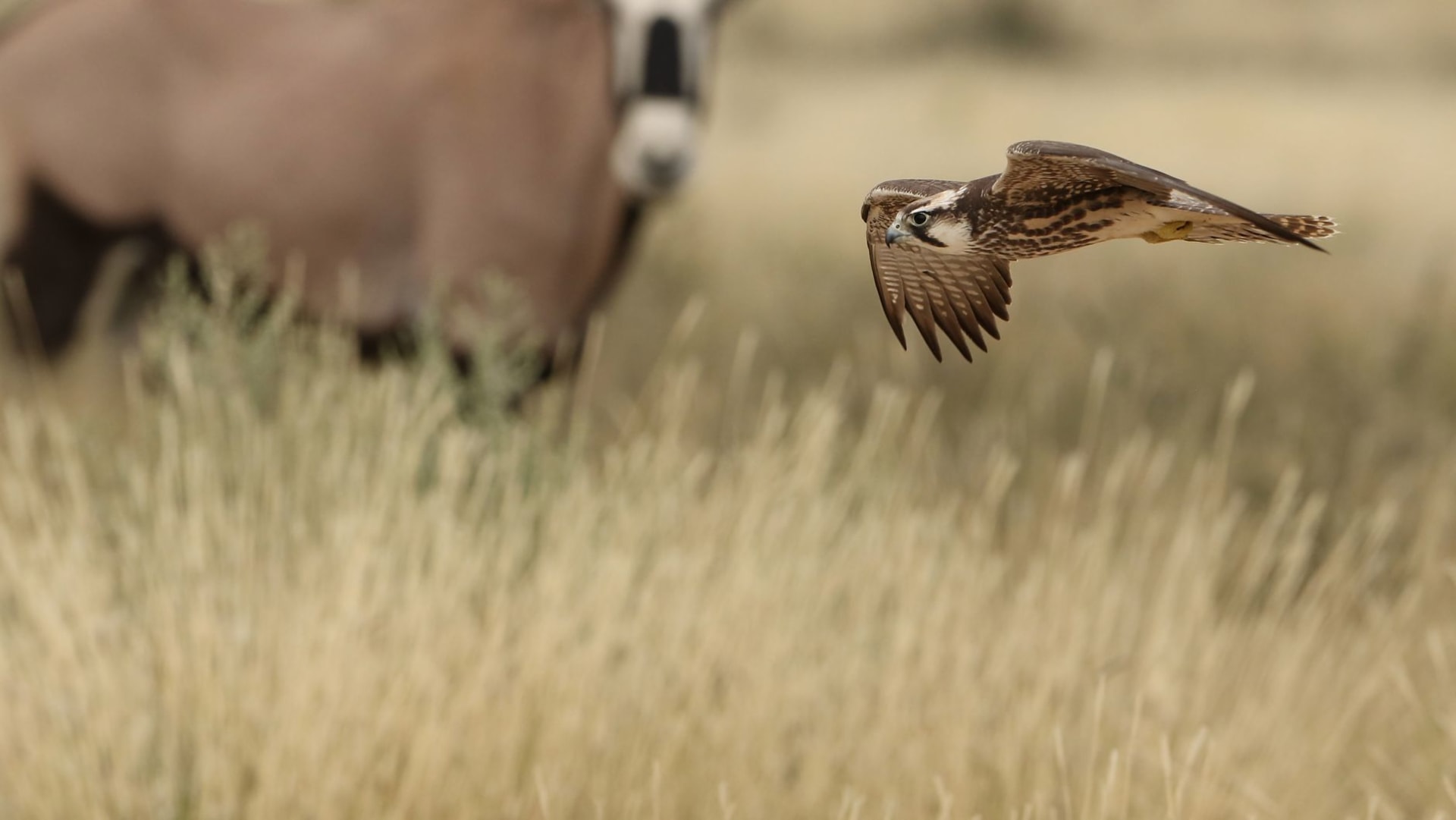
Ghanzi
"You do not learn tracking in Ghanzi. You learn that everything you thought was silence is actually a conversation."
Ghanzi is not beautiful. The town sits on a calcrete ridge in the middle of the Kalahari like something deposited and forgotten — a grid of wide sandy streets, a few shops, a filling station that may or may not have fuel depending on the week, a bottle store with a corrugated iron roof and a hand-painted sign in English and Setswana. The ranches spread out in every direction, cattle farms running on water from the calcrete aquifer, fenced with game-proof wire that the leopards apparently do not respect. I stopped in Ghanzi to refuel and stayed four days. The reason was a tracker named Toma.
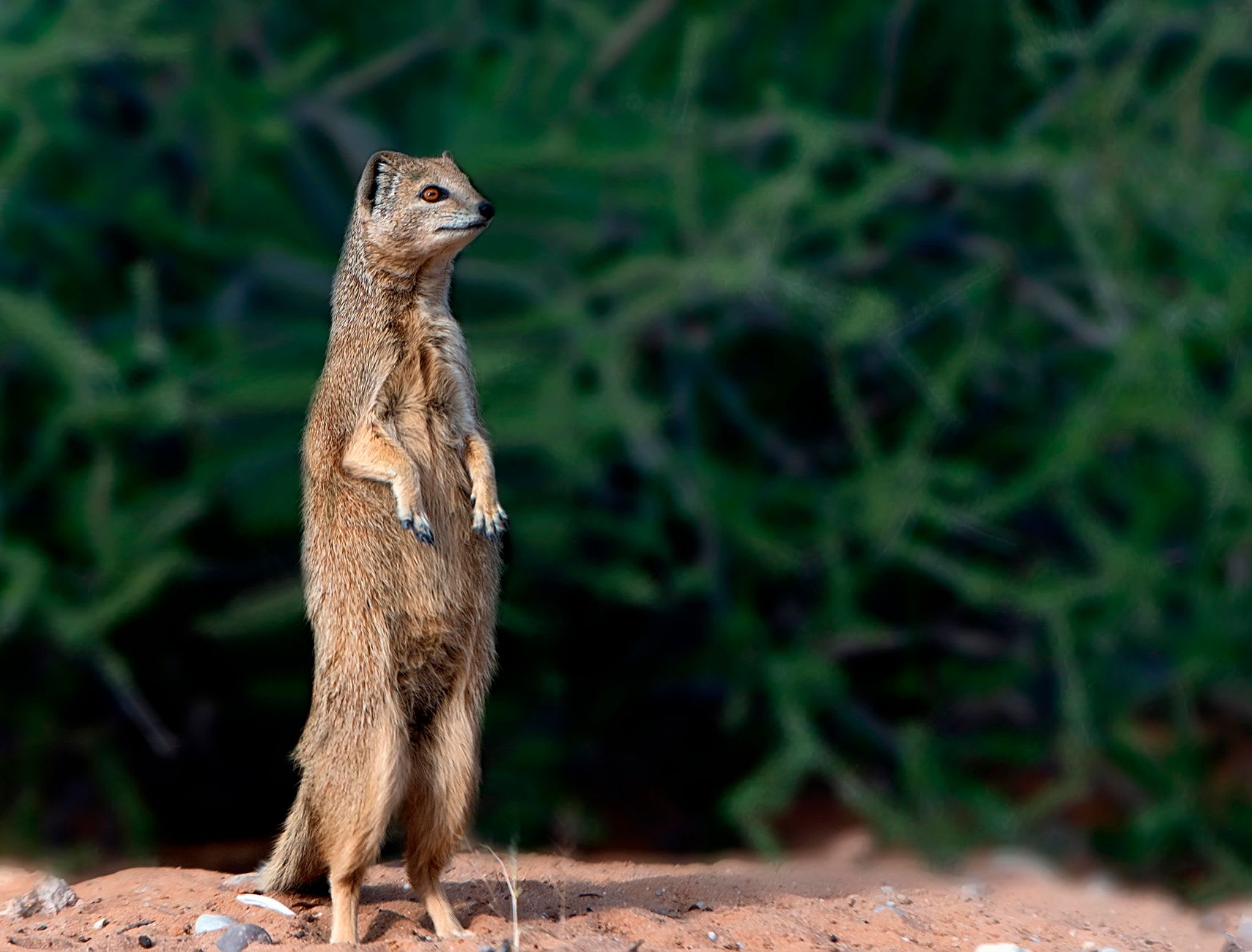
Toma worked through Grasslands Bushman Lodge, a community-owned camp a few kilometers from town that runs cultural programs with genuine consent and proper revenue-sharing rather than the extractive performance that passes for cultural tourism in many places. He spoke Naro and Setswana and fragments of English, communicated through a bilingual guide, and spent a morning teaching me to read sand the way I read a page. The drag mark of a puff adder — a faint S-curve in the dust, barely a centimeter wide, the scales leaving a particular texture in the dry surface. The depth of a kudu’s front hoof versus its rear, indicating direction and speed. The hollow in the hard ground where a bat-eared fox had stood motionless for twenty minutes, listening for termites moving below the surface. Each mark was a sentence. Together they were a story about the previous night more detailed than any wildlife documentary.
San rock paintings dot the calcrete outcrops in the Ghanzi District — faded ochre and red figures of eland, human hunters, half-animal therianthropes that represent something in the San metaphysical system I cannot claim to fully understand but that vibrated with intention across several thousand years of separation. The Kuru Art Project, based in D’Kar village just outside Ghanzi, has supported contemporary San artists for thirty years; their paintings draw directly from the same visual tradition as the rock art but express something entirely present-tense. I bought a small canvas of a lion in profile from a woman who had painted it that week. She described the lion, through the guide, as one she had seen near the borehole on her cousin’s land the previous Wednesday. The painting was specific. The specificity was the whole point.

Ghanzi town itself offers an unpretentious view into the Kalahari’s administrative life: the supply trucks that come from Lobatse every few days, the cattle auction that fills the edge of town with dust and livestock every few weeks, the small grocery stocking South African canned goods alongside traditional dried meat hung from hooks. It is a utilitarian place, but sitting on the veranda of the lodge in the evening while the Kalahari dark assembled overhead — the stars arriving in battalions — I felt very far from anywhere that required me to perform any version of myself.
When to go: Year-round, though the drive to Ghanzi from Maun or Lobatse is easier in the dry season (May to September). The cultural programs at Grasslands Bushman Lodge and Kuru Art Project run throughout the year; advance booking is recommended in July and August when the main park season fills regional accommodation.