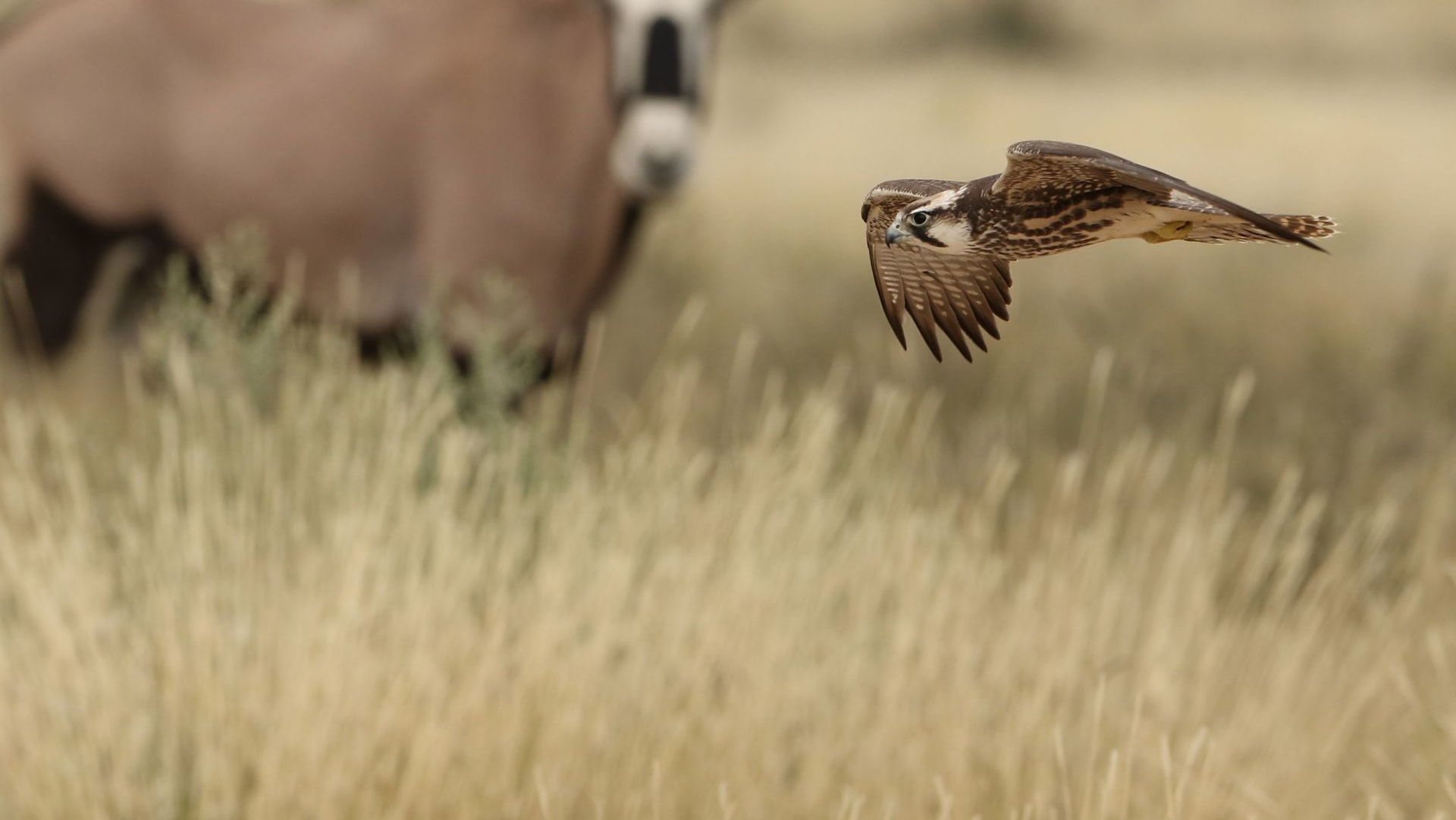
Central Kalahari Game Reserve
"Out here, the distance between you and the nearest road starts to feel like a kind of freedom."
The track ran south for three hours without a single junction. Not another vehicle, not a fence line, not a power pylon — just red sand and silver grass and the occasional termite mound catching the afternoon light like something trying to communicate. I had been warned that the Central Kalahari Game Reserve demands a certain psychological readiness, that its sheer scale can tip from awe into disorientation if you arrive expecting the managed comfort of more famous parks. I arrived unprepared in exactly the right way. Nothing about 52,000 square kilometers of wilderness can be grasped in advance.
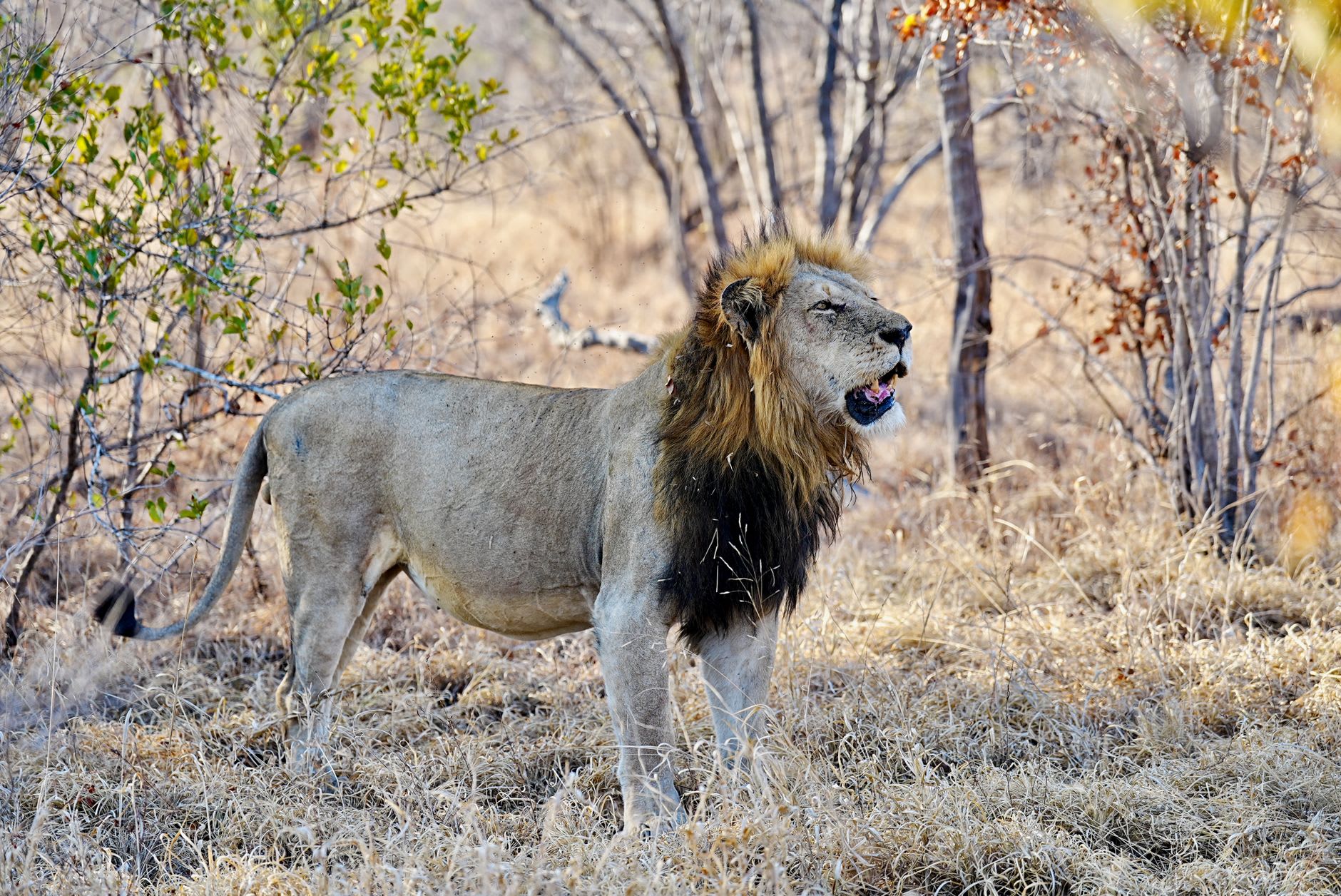
The animals in the CKGR move on their own terms, which means you move on theirs. A coalition of three cheetahs I tracked for a morning near Sunday Pan had no idea I existed, or at least acted with supreme indifference to the slow-rolling 4x4 fifty meters off their flank. I watched them for two hours — longer than I had ever watched cheetahs anywhere — long enough to see the way the grass parted for them as they moved, the way the smallest of the three kept checking the sky with quick, precise movements. In the better-touristed parks of East Africa, cheetah sightings come with a crowd. Here, I was alone with a notebook and a thermos of cold coffee.
The reserve is not easy to be in. The roads — if you can call them that — demand constant concentration. Deep sand locks your wheels if you hesitate; ruts from the last rains have dried into corrugations that vibrate your spine over long stretches. Camp setup happens in the dark if you misjudge the afternoon light. The isolation means a mechanical failure becomes a serious problem, not an inconvenience. And yet the difficulty is inseparable from what the place offers. The reward is proportional to the effort in a way that feels almost archaic in modern travel — an equation the world has mostly abandoned.
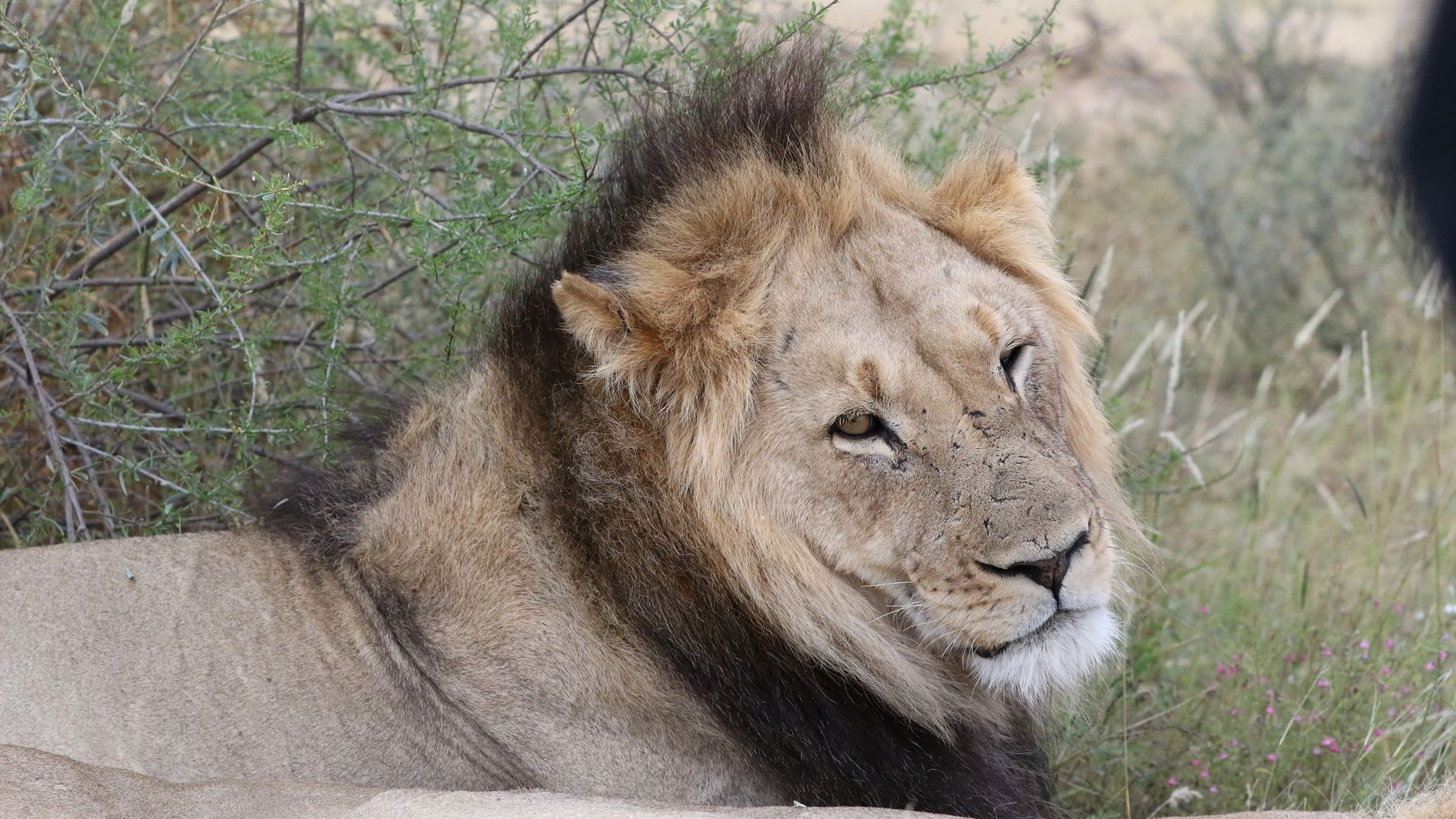
The dry season concentrates game around the fossil pans — Sunday Pan, Passarge Valley, the scattered water points along the Deception Valley corridor — where the cracked clay holds the memory of water and the animals cluster anyway, as though waiting for something they know is not coming but cannot quite abandon the expectation of. Brown hyenas, eland, gemsbok, lions in the early morning when their tracks are still fresh in the sand: the Central Kalahari delivers these encounters not on a schedule but on the wilderness’s own terms, which are slower and less obliging and infinitely more satisfying than anything a guided itinerary can promise.
When to go: May through September for the dry season, when game congregates around the fossil water points and the night sky is impossibly dense with stars. Avoid the wet season (December to March) unless you have serious off-road experience and expedition preparation — the tracks become impassable in heavy rain and several camps close entirely.