Tōno
"Lia crouched at the stream's edge and asked, quite seriously, whether the kappa were watching."
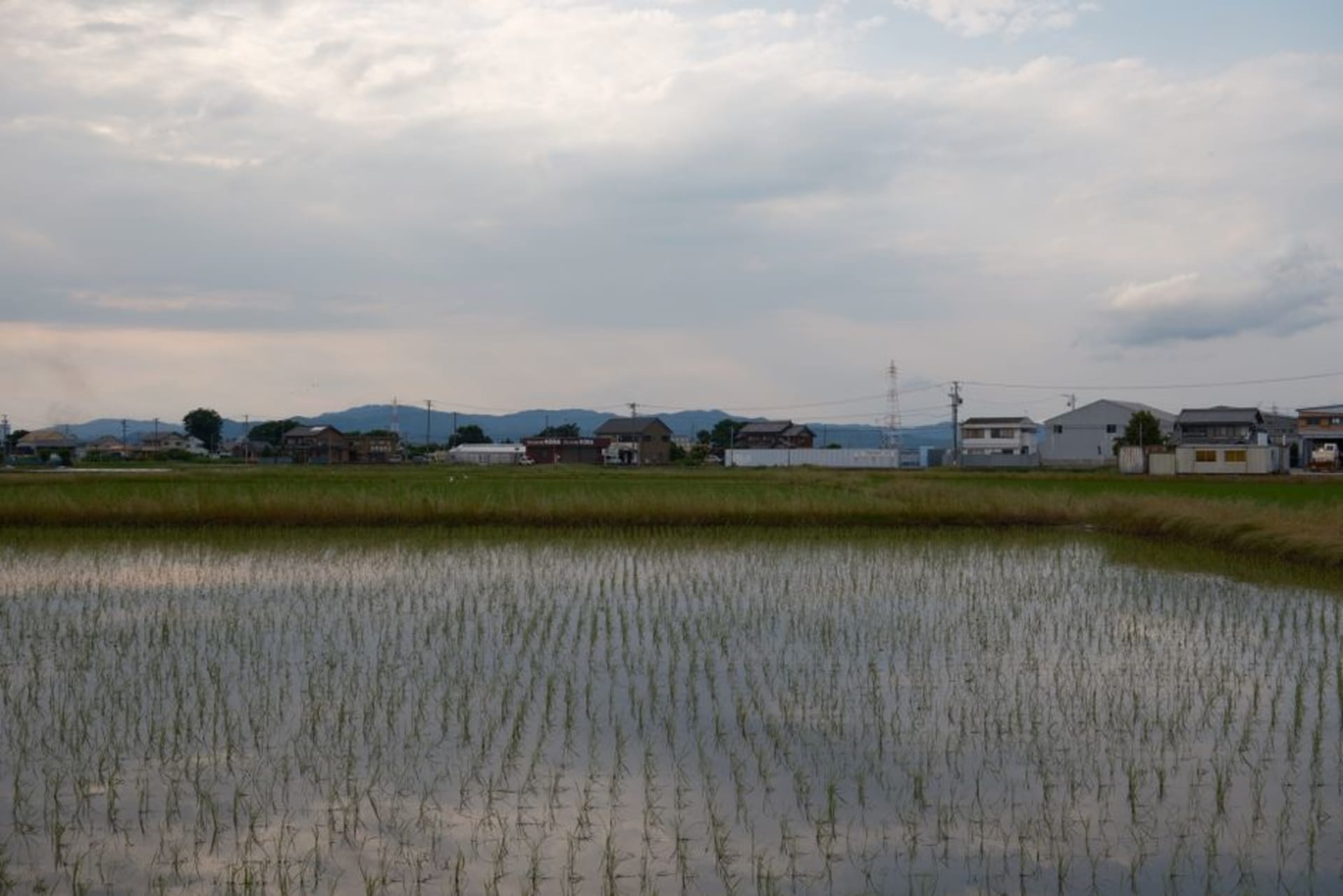
A misty valley in rural Iwate that is the beating heart of Japanese folklore, where water-spirits are said to haunt the streams, L-shaped farmhouses shelter horses under the same roof as families, and the rice paddies keep a slow, older rhythm. A place where the old stories still feel possible.

We came to Tōno because of a book. The Tōno Monogatari, collected by Yanagita Kunio more than a century ago, gathered the legends of this remote valley into one slim volume that more or less invented Japanese folklore studies, and I had read a translation years before we ever set foot in Iwate. So arriving felt strange, like walking into a place I had already half-dreamed. The valley was wrapped in the morning mist it is famous for, the rice paddies vanishing into white, the forested hills only suggested. Lia, who had not read the book, simply said it felt like a place where things happened at night. She was not wrong.
The Kappa and the Old Tales
At the back of a small temple called Jōken-ji runs a quiet stream, the Kappabuchi, where the water-spirits called kappa are said to live. Kappa are green, roughly child-sized, with a dish of water on their heads and a fondness for cucumbers and mischief; the local stories are full of them. You can even buy a “fishing licence” and dangle a cucumber into the pool to try your luck. We did, of course. Lia crouched at the edge, cucumber on a line, absolutely delighted, asking me in a stage whisper whether I thought they were watching. Nothing bit. But there is a red-faced kappa statue by the water, and I noticed she thanked it politely on the way out, just in case.

The Magariya Farmhouses
Tōno’s traditional farmhouses are magariya, built in an L-shape so that the family lived in one wing and their horses in the other, joined under a single great thatched roof. Horses mattered here beyond measure, and the arrangement meant animals and people shared warmth through the brutal Tōhoku winters. At the open-air museum called Furusato-mura we walked through several of these houses, ducking under low black beams, breathing the smell of old thatch and woodsmoke from a fire kept burning in the hearth. An elderly man tending that fire beckoned us close, said something warm we mostly could not follow, and pressed roasted chestnuts into our hands. It is the single clearest memory I carry out of Tōno.

Paddies, Mist, and the Slow Spell
More than any single sight, what Tōno gives you is a rhythm. We rented bicycles and rode out among the paddies, past stone Jizō statues in their red bibs, past a lone shrine on a wooded hill, past farmers bent over their fields who straightened to watch us pass. The mist that gives the valley its reputation came and went all day, softening everything, turning the hills into ink washes. There is a hilltop of a thousand stone Kannon figures, and a temple, and any number of small marked spots where this or that legend is said to have taken place. But the real pleasure was simply moving slowly through a landscape that has kept its shape while so much of Japan has changed. Tōno casts a spell, and the spell is unhurriedness.

Getting There
Tōno lies in the interior of Iwate, roughly between the coast and the city of Morioka, and the train makes it easy. The JR Kamaishi Line runs to Tōno Station, reached from Morioka in about two hours with a change at Hanamaki, itself an easy hop from the Tōhoku Shinkansen. The valley’s sights, though, are scattered widely across farmland, so on arrival you will want either a rental bicycle for the closer spots, as we chose, or a car to reach the further temples and museums. Give the place a full unhurried day at the least. Tōno does not perform for people in a rush, but it opens quietly to anyone willing to wander its paddies and listen for its old stories.
Keep exploring
More of Tōhoku
Keep exploring
More from Tōhoku
 japan
japan Hanamaki
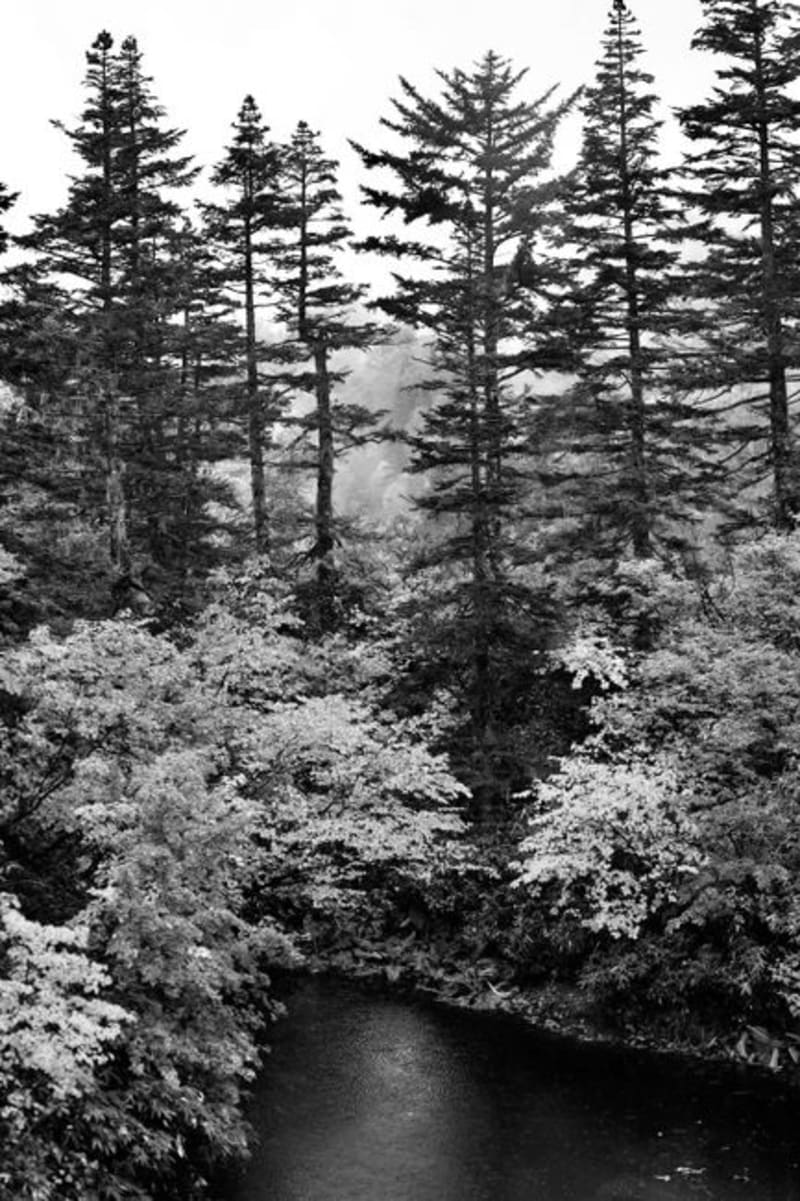
An Iwate hot-spring town that gave the world Miyazawa Kenji — poet, teacher, dreamer of a private utopia he called Ihatov. The onsen are old and generous, the countryside soft and wide, and the whole place seems half-lit by one gentle man's imagination. It's quiet in a way that gets under your skin.
Explore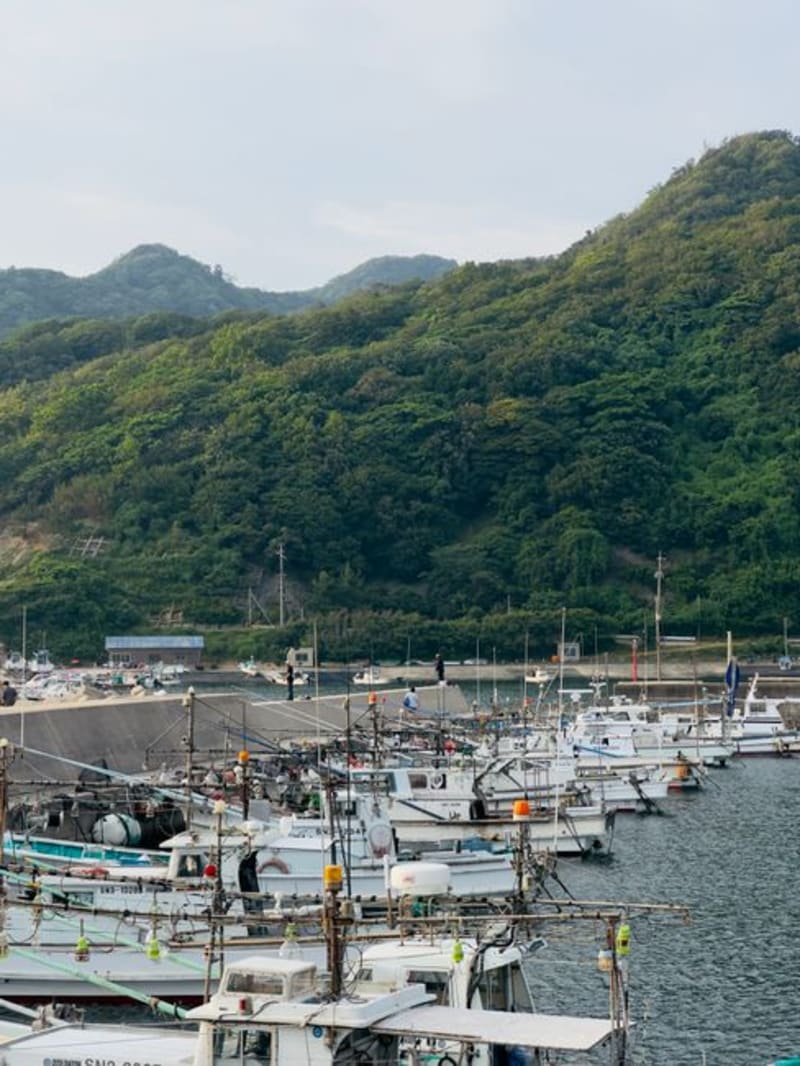 japan
japan Kesennuma
A Miyagi fishing port on a deeply indented ria coast, famous for bonito and shark fin. Hit hard by the 2011 tsunami and resiliently rebuilt, it is a working harbour of fresh seafood and quiet recovery.
Explore japan
japan Morioka
A relaxed Iwate castle city set where two rivers meet below the volcano Iwate, famous for the theatre of wanko-soba, chewy jaja-men noodles, and the cast-iron nanbu ironware that has been forged here for four centuries. An easy, unhurried place we didn't want to leave.
Explore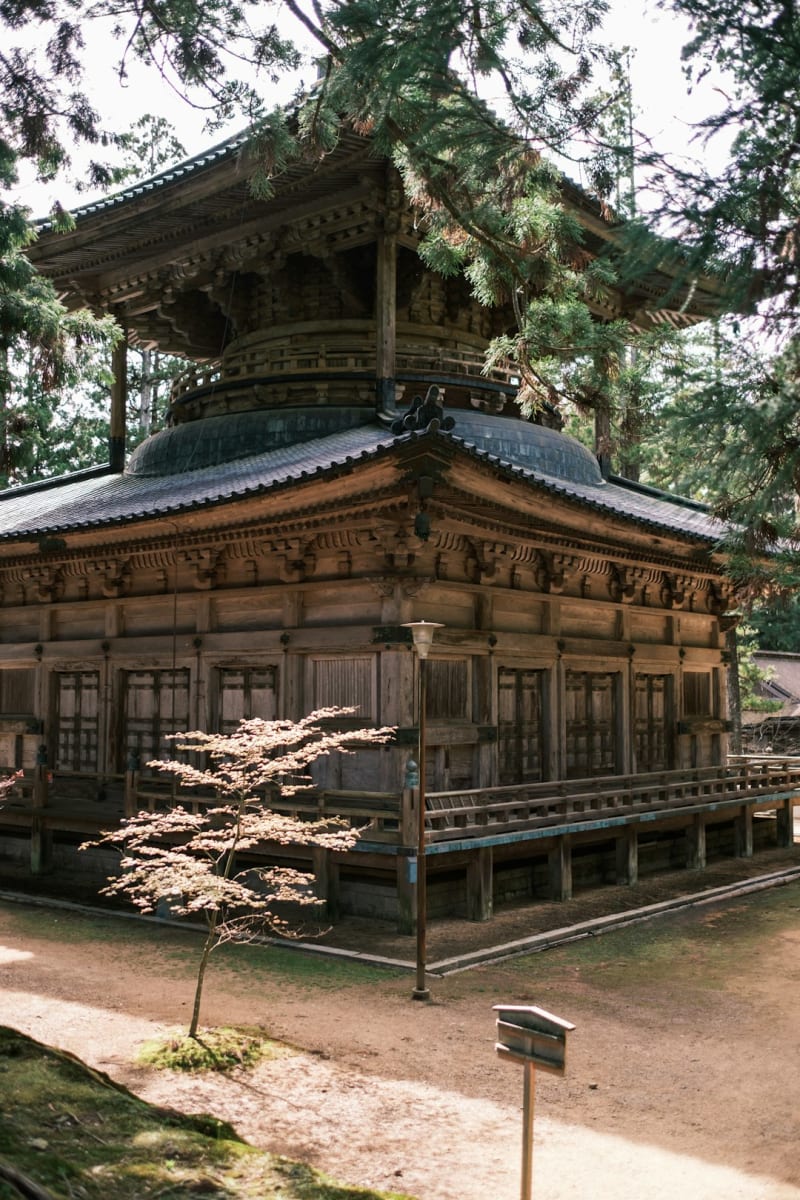 japan
japan Hiraizumi
A vanished northern capital in the Iwate hills, where a hall of solid gold leaf survives under glass and a Pure Land garden still mirrors the paradise its builders longed for. A UNESCO site that whispers rather than shouts.
Explore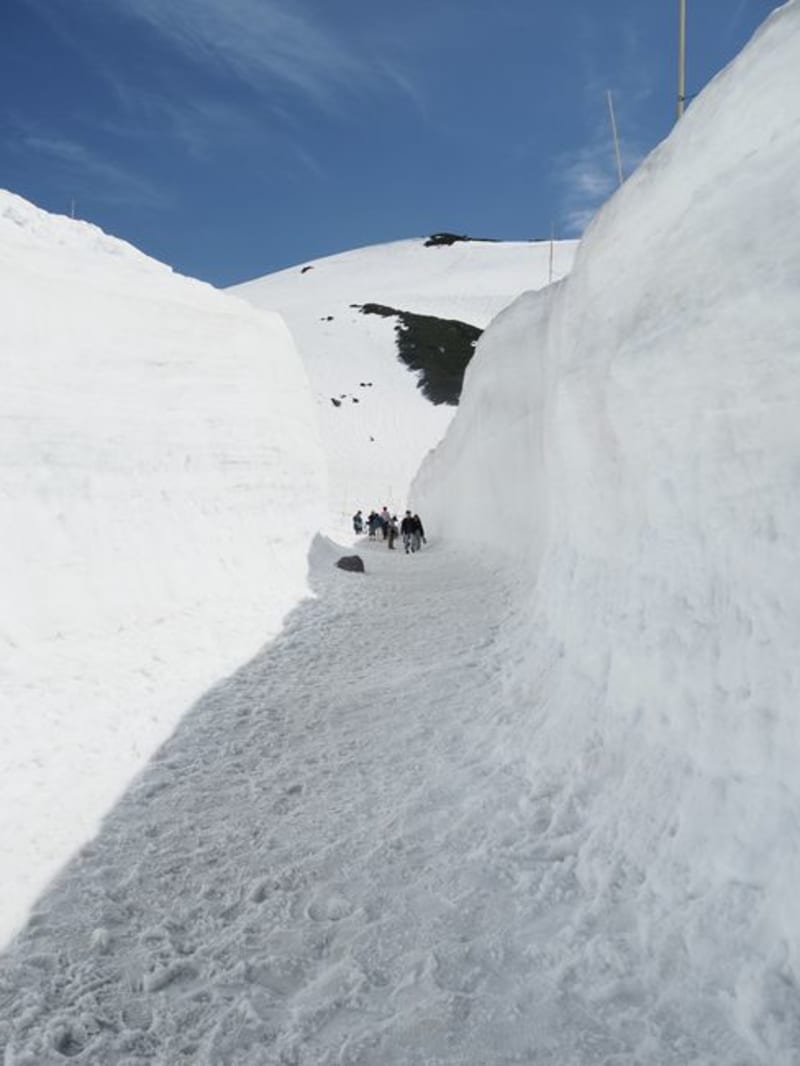 japan
japan Hachimantai
A high volcanic plateau straddling Iwate and Akita, all alpine marsh and crater ponds and open sky. A dramatic spring snow-corridor drive, remote hot springs, and blazing autumn colour on the roof of Tōhoku.
Explore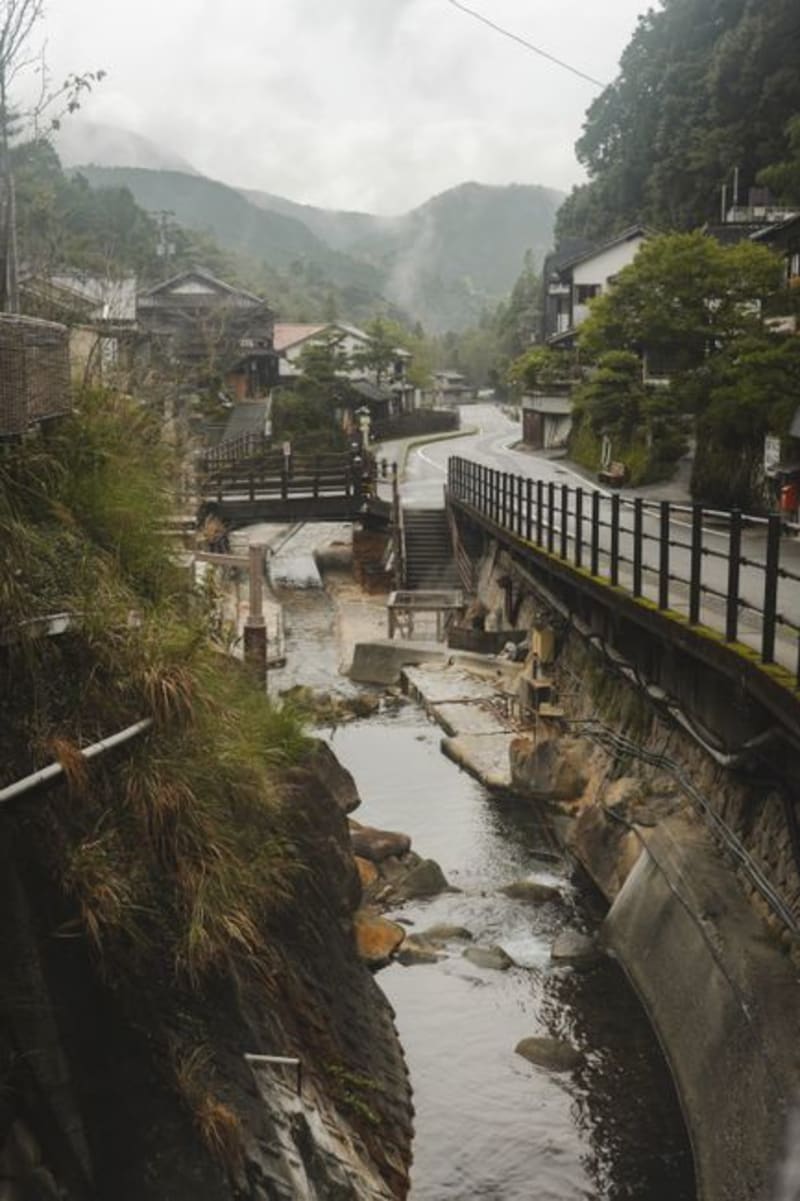 japan
japan Nyūtō Onsen
A cluster of secluded, centuries-old hot-spring inns hidden deep in the Akita mountains. Milky-white open-air baths steaming in the forest, thatched-roof ryokan warmed by irori hearths, and the feeling of having slipped clean out of the modern world.
Explore